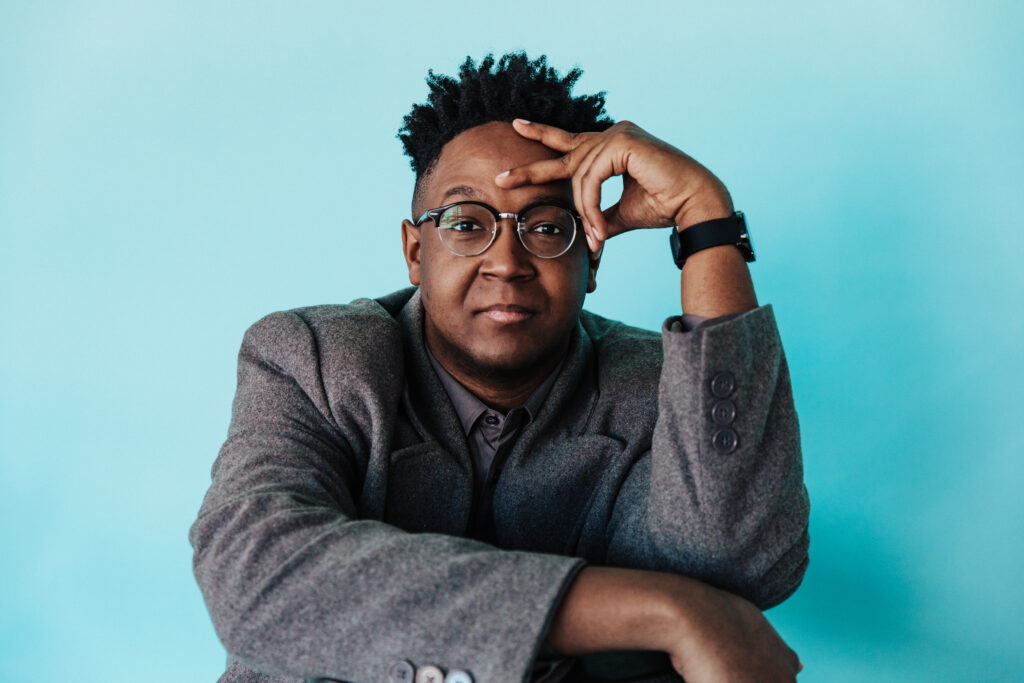
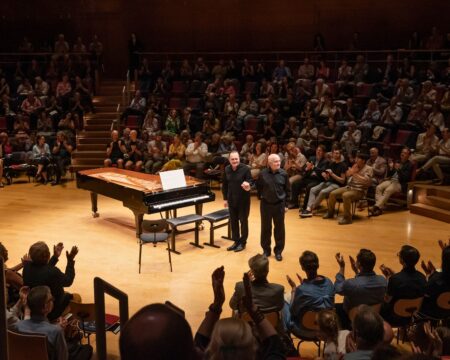
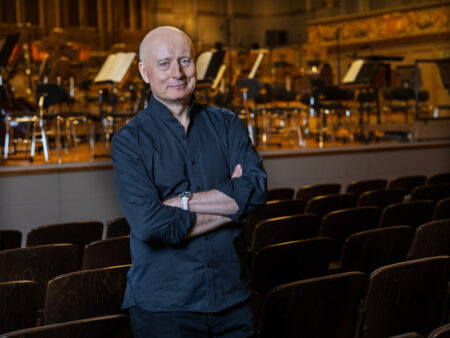
Matilda Lloyd is a British trumpeter and music educator.
Stories: Matilda Lloyd – Brass for Africa
Share: 


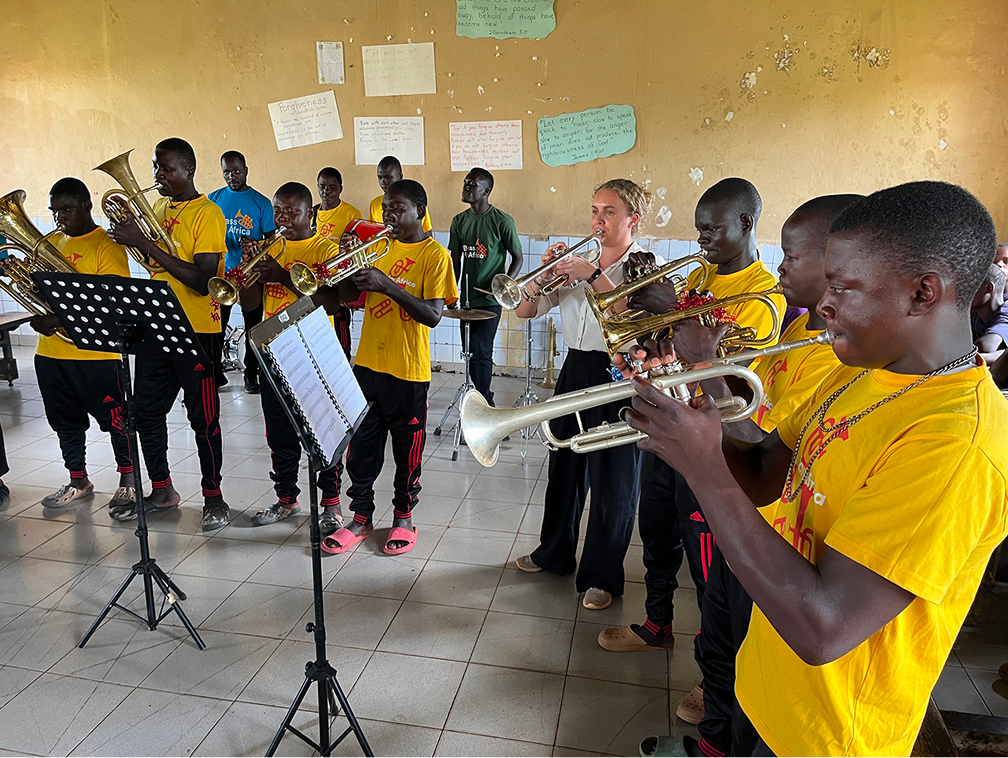
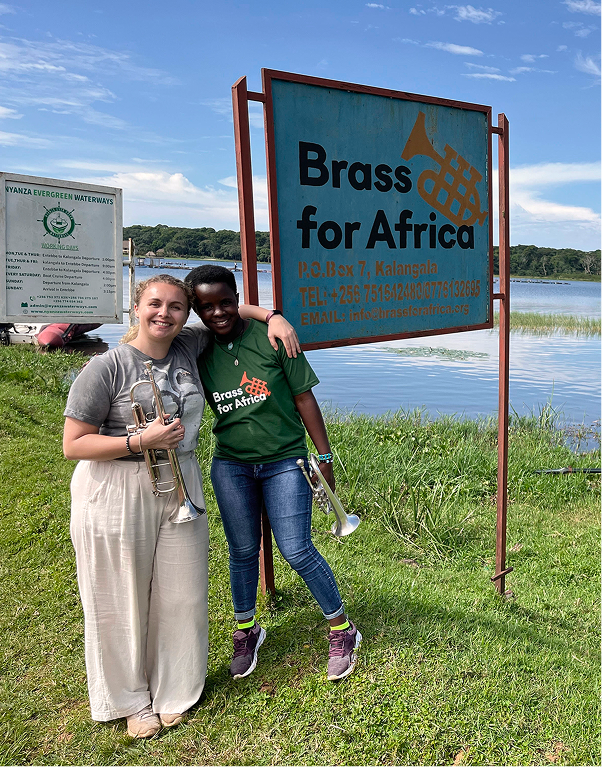
Last February, I visited Uganda for a week on behalf of Brass for Africa. I wanted to learn more about what it did and what sort of programs it had in place for young musicians, as well as playing with them, and to them. It was a bit like an exchange – I went and played in some of their bands where they taught me marches. It was a really wonderful, very special trip.
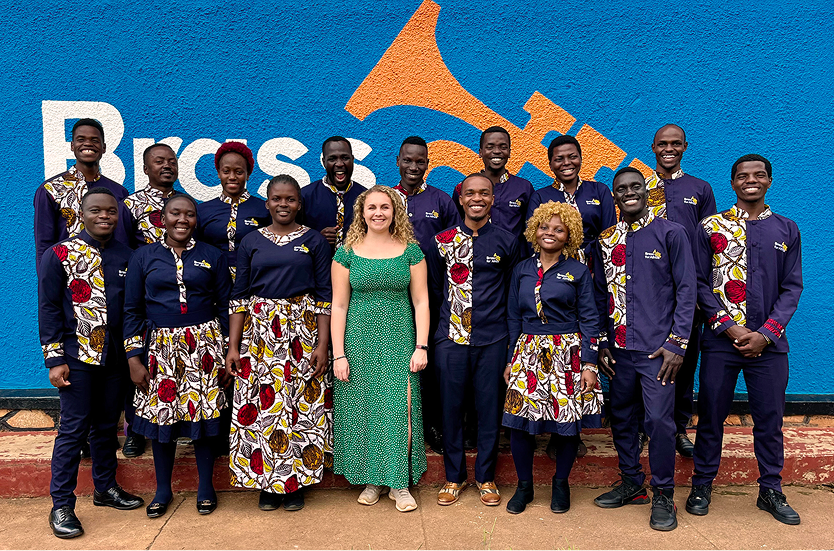
I came to know Jim Trott, the founder of Brass for Africa, when I was at the Junior Guildhall thanks to his son who was also a trumpet player. Later, when I was at Cambridge University, I did a fundraising concert for it, so I’ve known about Brass for Africa for a long time.
Over the past few years, it has really developed and is having a really large impact in Uganda, and in Rwanda, and Liberia as well, so I was very keen to amplify the work that it is doing. It was fascinating to see how music can be a tool for social change as it gives the young people there so much safety and security. It’s like giving them a new family and community that keeps them occupied and prevents them from all sorts of horrible things that could happen.
I did a lovely duet with a young girl called Eva on an island in the middle of Lake Victoria called Kalangala. This was a particularly special moment of my trip – getting to rehearse one-on-one with Eva on the lakefront as the sun was setting, and then performing together in front of all of her friends and family. We had some great conversations about life, the trumpet, and about the program on the island, which not only provides brass instrument lessons and a band, but also a health center to educate the community about HIV/AIDS, which is prevalent on the island.
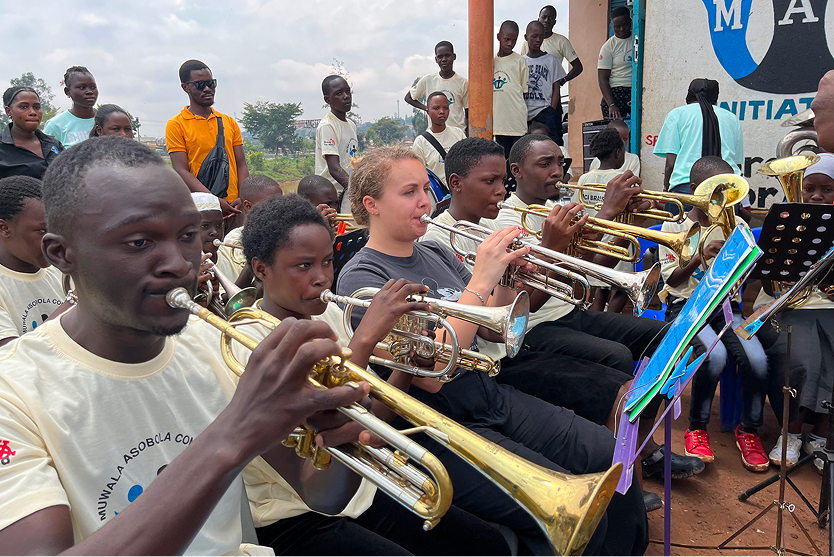
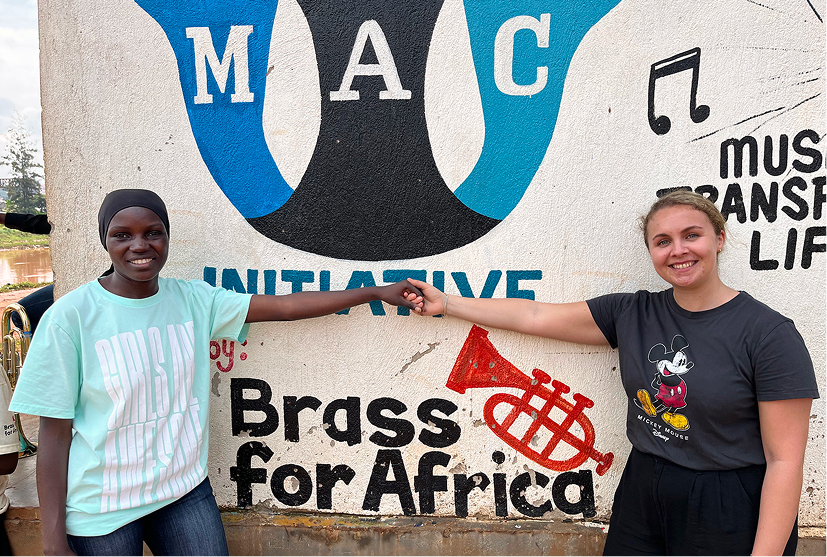
It was particularly eye-opening to learn that one of the biggest dangers these young people face is having nothing to do. Especially for girls: they are often deprioritized in terms of attending school and often become victims of crime, abuse, and prostitution. The Brass for Africa programs are mostly linked to community centers; spaces where they can gather with other young people in a safe, supportive and productive way. This helps them find a purpose, a family, and also equips them with valuable skills for their futures.
One of my biggest takeaways was seeing their excitement about the instruments, the joy of playing together and how strong and important that community aspect is when it comes to music. I really hope to be able to go back to Uganda in a year or two and see how everyone has developed.