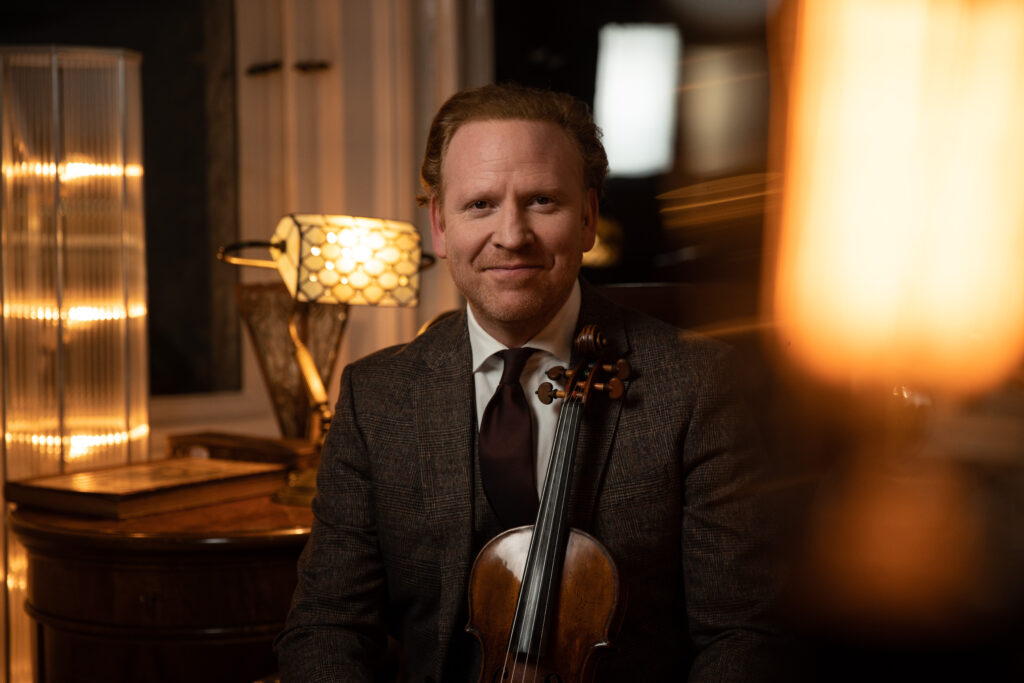
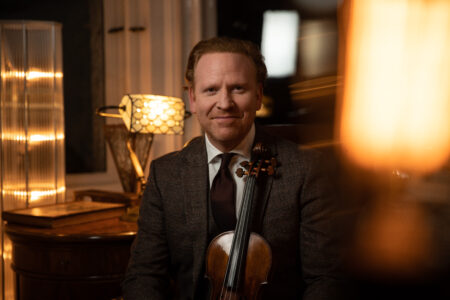
Violinist Inmo Yang is one of many young classical musicians to have emerged from South Korea in the past decade. His big break came in 2022 after winning the coveted International Jean Sibelius Violin Competition.
Origins: Inmo Yang
Share: 


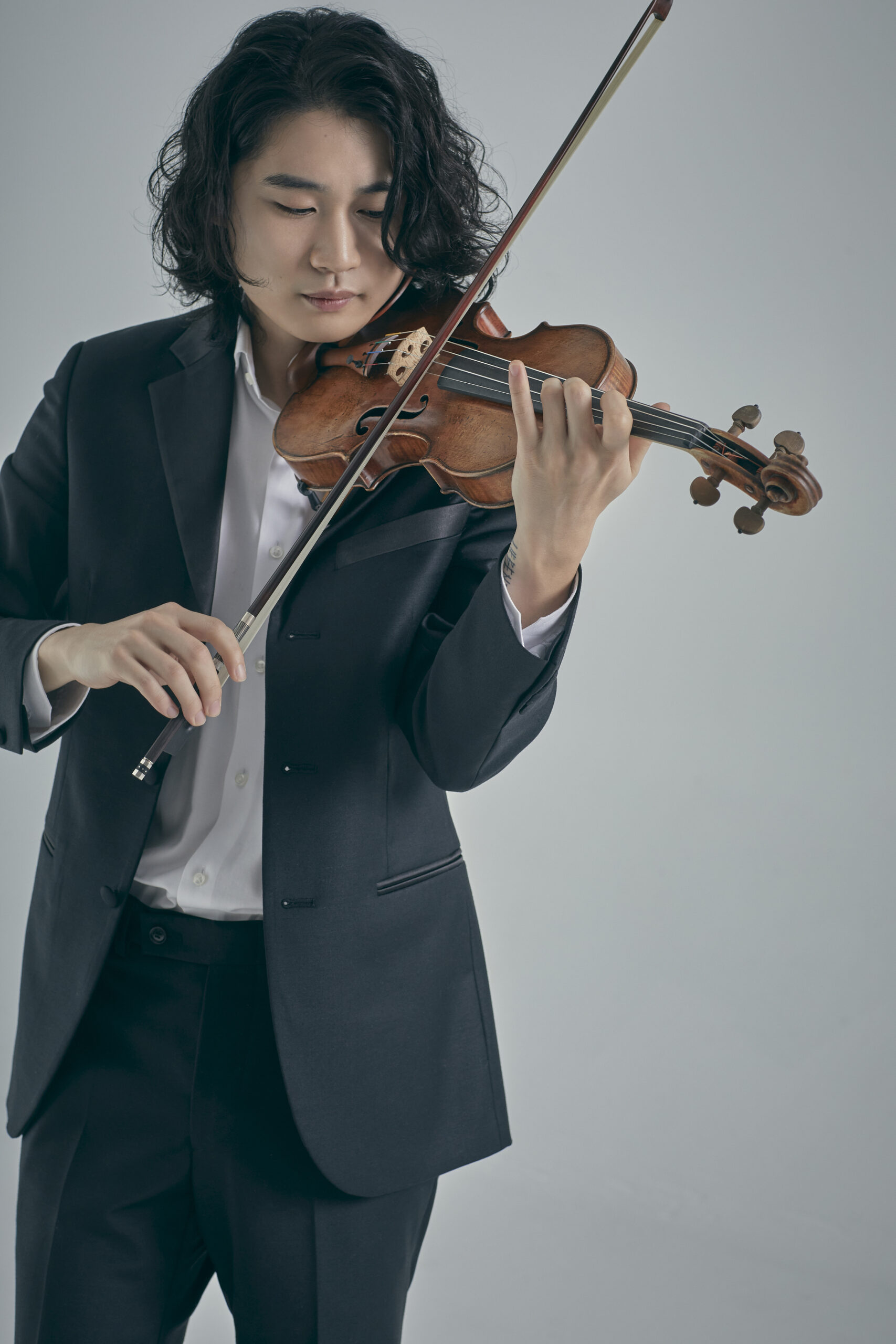
When I was growing up in Korea, I don’t think classical music was as beloved there as it is now. It’s developing really fast at the moment and with the influence of K-pop, K-drama, K-beauty, whatever, it all feels like a new phenomenon, so I’m happy to be part of this K-wave!
I actually think the biggest reason I’ve been able to achieve all the things I’m doing now is because of Korea’s very unique fan culture. It’s not like anywhere else, so whenever I tour with a European orchestra in Korea, they’re always very surprised to see lots of young people in the audience, and this creates a totally different kind of energy when you’re up on stage. I think it has something to do with Korea being at the forefront of modern technology and maybe our audiences are seeking something more timeless.
Right now, a lot of people would like to go back to a farm or a temple, places where they can find some kind of peace and orientation in a fast-developing society. The feeling I’m getting from my fans is they want a very personal connection with the artist. They have their own stories and reasons why they got into classical music. Some may have had very difficult times and they want to find some consolation.
Social media has also been a huge factor and I’ve found that people who have never heard classical music have been introduced to it through YouTube and other platforms. But then, Koreans are very musical people, I think it’s the Italy of Asia! You’ll find karaoke bars on every other block in Seoul because we like to sing and express ourselves, so playing music seems very natural to me.
I’m the only musician in my family. My introduction to music wasn’t particularly remarkable, I just picked up a violin from a store with my mom when I was five years old. But there was this teacher, who I think was my neighbour, who I liked a lot and she kept my curiosity going. It’s not easy to make a decent sound on the violin at first but I was fascinated to know more about it, listening to recordings and that kind of thing.
But the main reason why I was motivated was that my teacher was very pretty! Our lesson was always one hour but I remember intentionally making more mistakes just to be with her a little bit more. I have tried to track her down, even appearing on radio trying to look for her, but it was a long time ago so maybe she’s not a violinist anymore or gone abroad. Anyway, she will always remain a strong influence.
“I try and make one statement during a performance and that’s not so easy because there’ll always be different things in the piece you’d like to highlight, but if I can make one very clear statement that’s more likely to stay with an audience.”
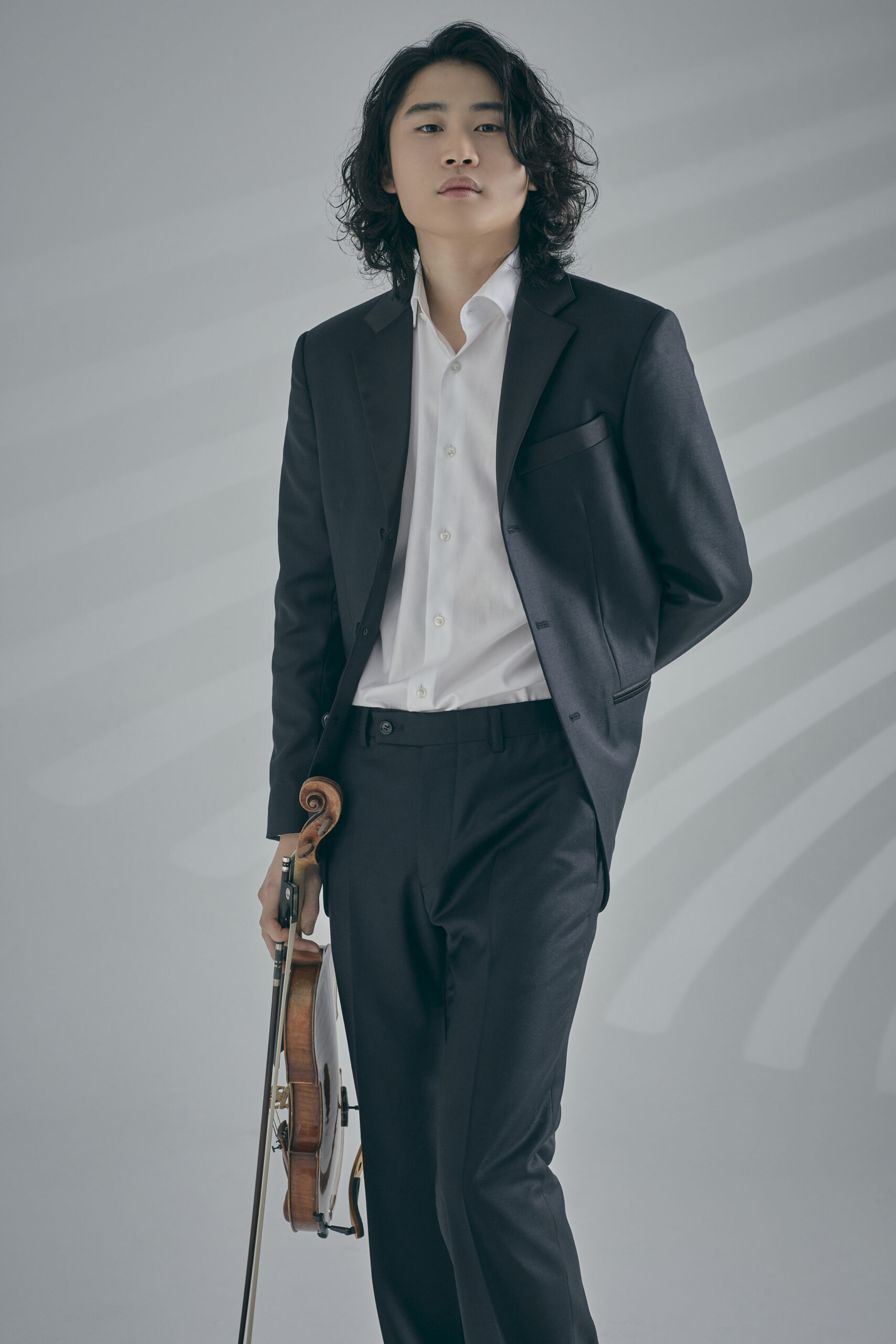
I stayed in Korea until I was 18 and then I went to Boston to study with Miriam Fried. I first met her in Korea when I was about 14. I didn’t speak much English back then, but I remember she let me try her Stradivarius. She talked about things that were new to me. My previous teachers hadn’t drawn my attention to phrasing or sound quality, it was just more about getting the notes right, how to play faster and cleaner. She really opened my eyes and got me thinking about why am I playing music rather than how. I spent six years with her because I knew she could guide me in pursuing a greater understanding of music.
Many musicians would agree we spend most of our time alone, practising, and travelling. I don’t think loneliness is a bad thing necessarily because we need time to learn music and to ask big questions about it. Sometimes I find I’m lonelier when I’m with people that are different to me, whereas when you’re on your own, you can at least converse with your own thoughts. But I’ve come to appreciate working with musicians, the people I make music with, as that’s what gives me the reason to continue doing what I’m doing. You have to be a bit vulnerable to be a musician and be able to face up to your insecurities.
What we do on stage is not to show what we already are in our everyday life, but to go to places that can be uncomfortable, reaching souls that are not protected by other things, to be ugly or, you know, perverted or whatever because there are no morals on stage, that’s what performing allows you to explore, that huge variety of emotions. Being awkward on stage… I think that’s what I’m trying to say.
I try and make one statement during a performance and that’s not so easy because there’ll always be different things in the piece you’d like to highlight, but if I can make one very clear statement that’s more likely to stay with an audience. It’s all about me creating a kind of a playground for people to freely explore their emotions and hopefully take something with them at the end.