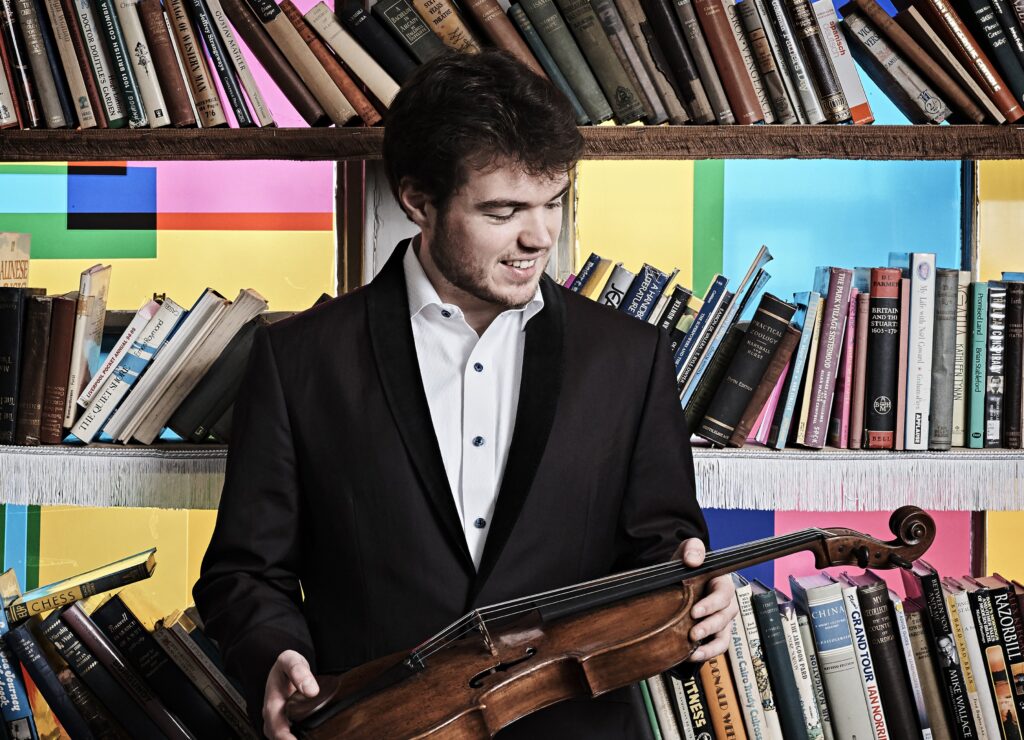
Timothy Ridout is a relative rarity – a viola soloist. Born in London in 1995, he chose the viola after hearing a teacher play the Harry Potter theme on it. After studying at London’s Royal Academy of Music and the Kronberg Academy in Germany, his solo career soon gathered pace. In 2021, he joined the Bowers Program of the Chamber Music Society of Lincoln Center.
Listening Room: Timothy Ridout
Share: 


Paul Hindemith (1895-1963): Des Todes Tod (1922)
This is a bit rare. It’s a piece by Hindemith for two violas, two cellos and a mezzo-soprano called Des Todes Tod [The Death of Death]. It’s very beautiful, in a way it’s a bit similar to Webern’s Langsamer Satz which is the height of Romanticism, so not necessarily a style one associates with Hindemith.
The reason I particularly wanted to draw your readers’ attention to it is because of its rare combination of instruments, so they probably won’t get a chance to hear it in concert. I would like to program it but finding the right setting to present such a dark, Romantic piece by Hindemith is difficult.
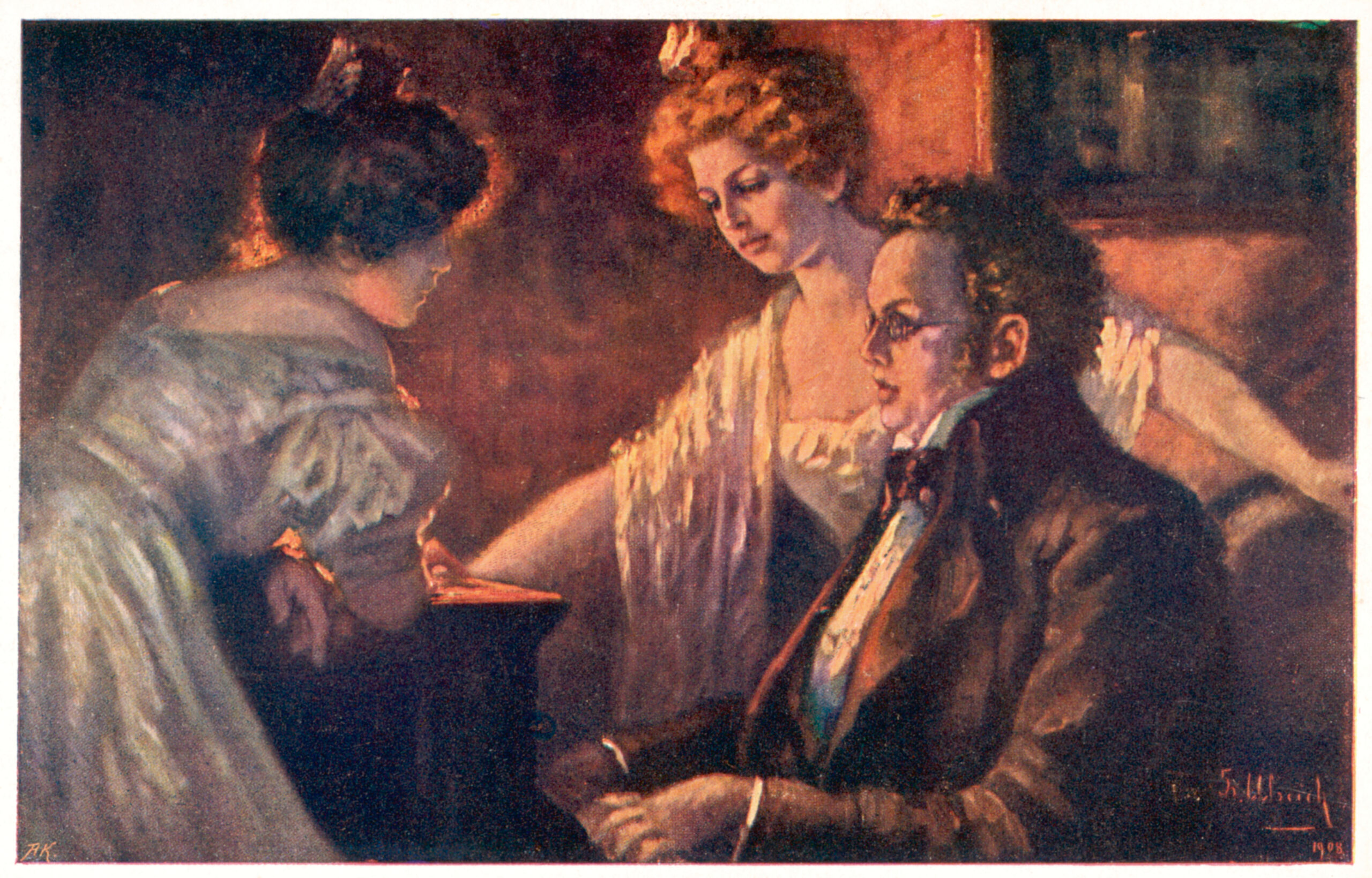
Franz Schubert (1797-1828): Mass in E–Flat D.950 (1828)
In a totally different direction, there’s a piece I love which is Schubert’s Mass in E-flat. I mostly think of Schubert for his songs, chamber music and, of course, his symphonies. But I was less aware of his works for choir and orchestra until I came across this piece. This mass, in particular, is a masterpiece of harmony and tonality. It’s so strikingly beautiful.
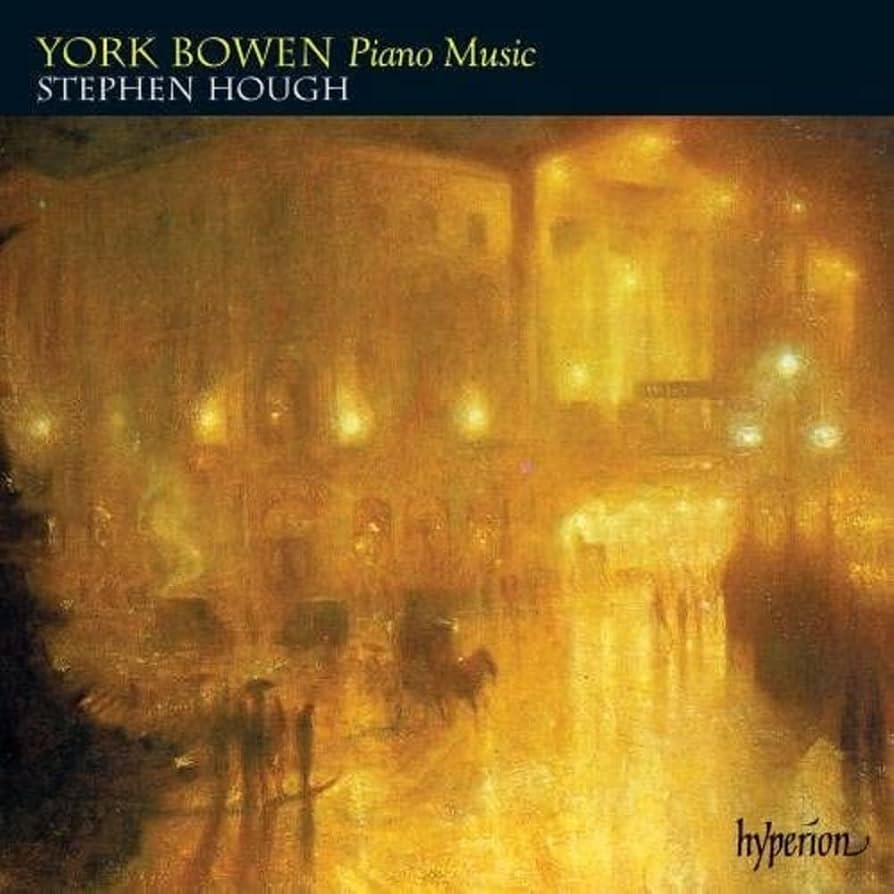
York Bowen (1884-1961): Piano Music
I’m going to highlight a composer more than a work and that’s York Bowen. He wrote wonderful music and had the nickname “the English Rachmaninoff”. He was a great virtuoso pianist who played regularly at The Proms. There’s a beautiful CD of his piano music by Stephen Hough with a lot of short pieces and miniatures. I’d recommend anything from that.
He also wrote two wonderful viola sonatas and a viola concerto. He was such an underrated composer who also happened to be the duo partner of the great viola soloist, Lionel Tertis (1876–1975). He was also an amateur violist and amateur French horn player so wrote quite a bit for those instruments as well.
York Bowen: Piano Music – Stephen Hough, Piano – Hyperion
Miklós Rózsa (1907–1995): Violin Concerto (1953)/Viola Concerto (1980/4)
Again, I’d like to recommend the composer more than an actual piece, and that person is Miklós Rózsa, probably best known for his film scores like Ben-Hur. The two works I’d like to recommend would be his violin concerto and his viola concerto, both of those are brilliant. Rózsa wrote the violin concerto for Jascha Heifetz which would be the recording I’d recommend, and Lawrence Power’s recording for the viola concerto. They’re very exciting, colourful works that listeners would love to experience in the concert hall with their broad themes and virtuosic solo writing for the string instruments. I think Rozsa’s name is not well enough known to the concert-going public.
Rózsa: Violin Concerto – Jascha Heifetz, Violin, Dallas Symphony Orchestra, cond. Walter Hendl – RCA
Leó Weiner (1885-1960): Suite on Hungarian Folk Dances (1931)
This is something I heard in concert the other night and I loved it. It’s by Leó Weiner, another composer I’ve only just got to know and again, another who I don’t know why isn’t better known! He was writing mainly in the early 20th century and was, during his lifetime, an important educator and composer in the Hungarian composition school.
Folk Inspirations: Bartok, Enescu, Weiner – Philharmonia Orchestra, cond. Neemi Järvi – Chandos