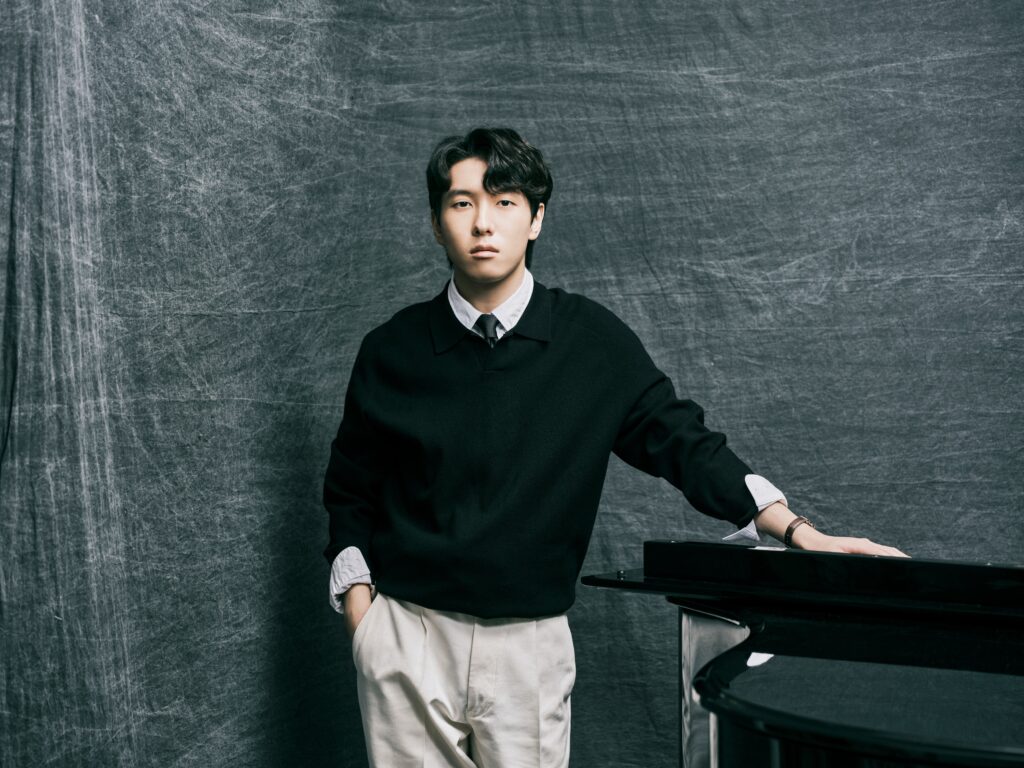
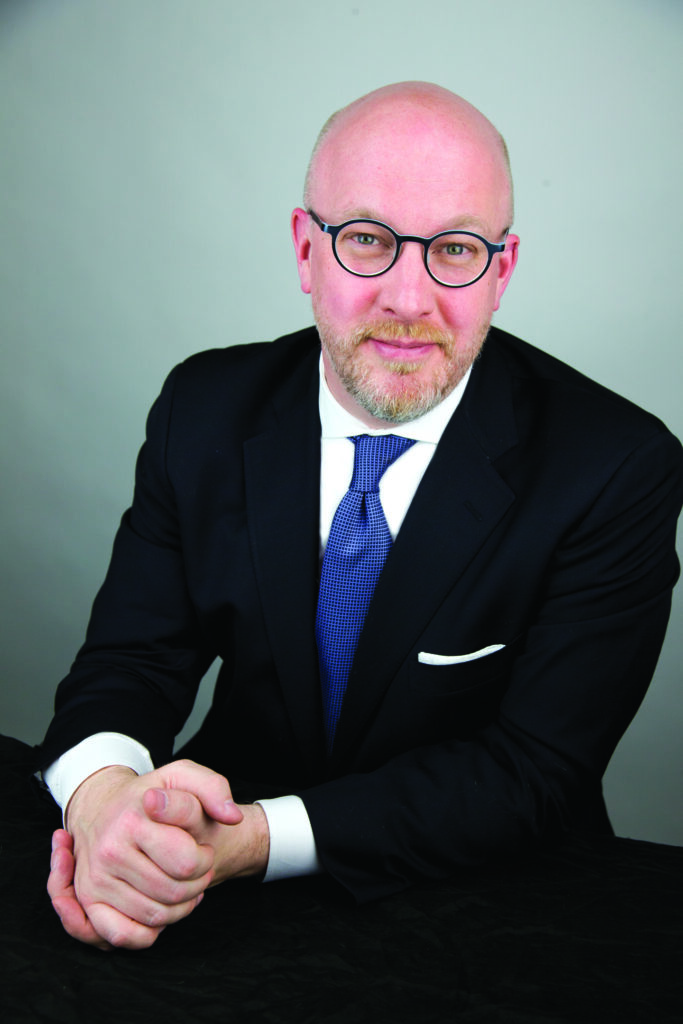
James Roe is the president and executive director of New York’s Orchestra of St. Luke’s, where he has led an organizational transformation of programmatic scale. Previously, he was president and CEO of the New Jersey Symphony [Orchestra]. He was first a professional oboist and performed with both of the orchestras he would go on to lead. Here, he discusses Bach: invention and innovation.
Stories: James Roe
Share: 


With characteristic theatricality, literary critic Harold Bloom (1930-2019) famously stated that Shakespeare “invented all of us”. The bard’s power to portray humanity in turn shaped humanity through artistic expression.
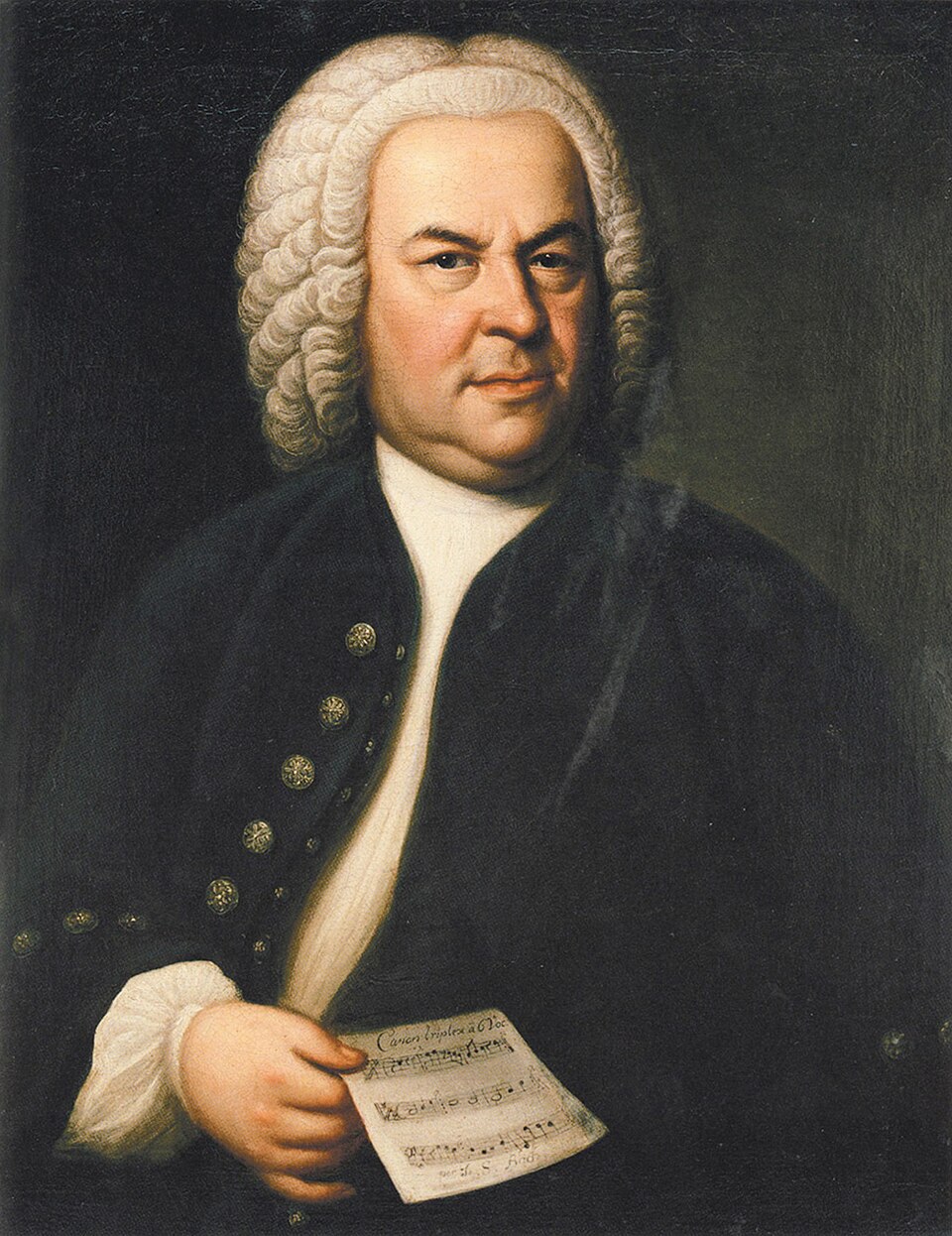
For musicians, Bach takes that central role. His inventions and innovations in counterpoint, harmony, word painting, rhetoric, and affect define how we hear, write, understand, and love music to this day.
In the 2018-19 season, Orchestra of St. Luke’s embarked on a project to enhance our understanding of Bach’s music in contemporary culture. We had engaged the internationally recognized expert in 18th-century performance practice Bernard Labadie, as our next principal conductor, building on the orchestra’s renown with historically informed performance practice on modern instruments. To inaugurate his first season, we launched a Bach Festival in June at Carnegie’s Zankel Hall, which The New York Times proclaimed as “an impressive initiative” and “a new festival and a fresh start.”
That the music written hundreds of years ago would be considered “fresh and new” underscores Bach’s Shakespearian presence in our current lives.
With the founding of the Bach Festival, the Orchestra of St. Luke’s received a major grant initiated by the Getty Foundation to explore digital innovation. Our purpose was to consider how music was conveyed online and how musical content would evolve were it conceived as native to the internet, rather than adapted from the stage for the small screen. This grant funded our first forays into digital content creation.
Little did we know that these innovations would play such an outsized impact on our future. Nine months after that first Bach Festival, the pandemic changed the way orchestras met the musical needs of their audiences, and we were ready with the music of Bach. Our 2020 Bach Festival was entirely online. The Orchestra would go on to create hundreds of videos and live streams that reached tens of thousands of people around the world.
We were always led by empathetic imagination: what would the musical experience be for the audience member sitting – perhaps alone – with a smart phone, tablet, or computer screen? How could we reach them in ways uniquely possible online? We were fond of saying that we couldn’t squeeze stage and proscenium arch through the internet, so instead, we wanted the digital medium to blossom for the artist and audience into its own delightful garden.
Coming out of the pandemic, our annual Bach Festival at Zankel Hall has been embraced by audiences. The last three festivals have entirely sold out, which we expect to happen again this year. With the 2026 festival approaching, we thought it would be fascinating to look back at the Bach content we created to make musical connections during the days of lockdown.
Bach and technology inspired innovation that brought people together when they needed it most. Have things really changed?
Bach Festival returns to Orchestra of St Luke’s from 2-22 June 2026; oslmusic.org