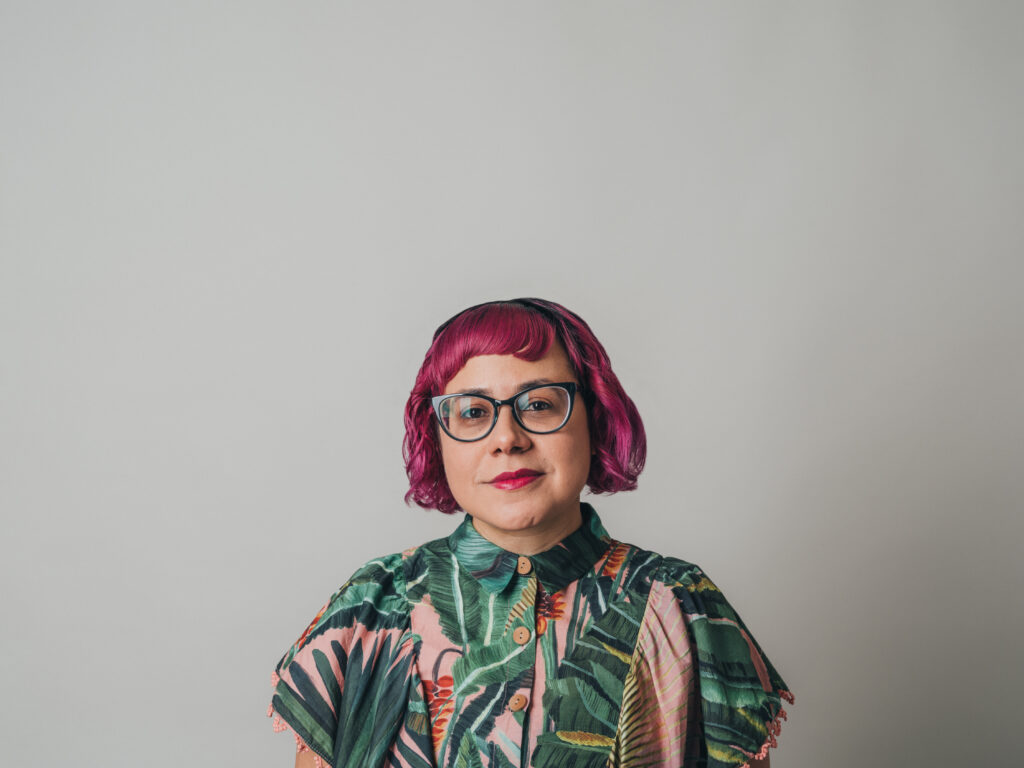
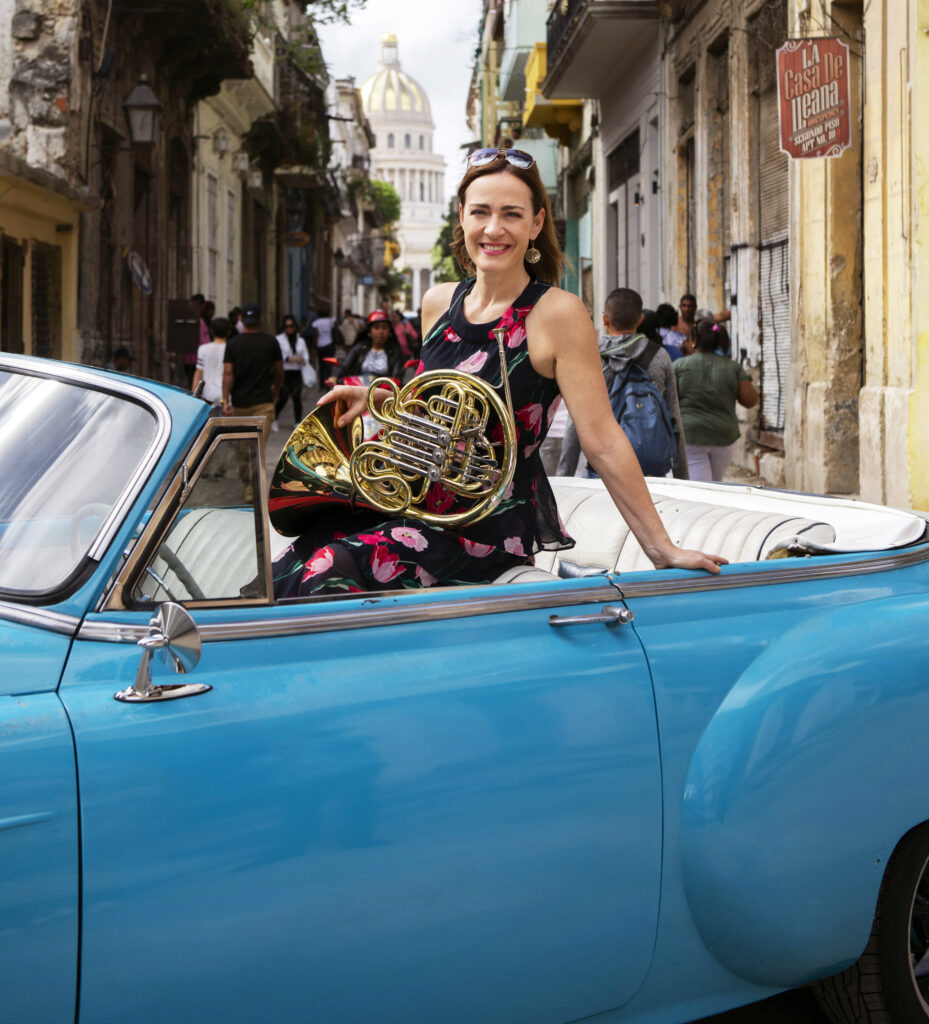
Sarah Willis is an American-born, British-American French horn player, a member of the Berlin Philharmonic, and presenter of TV and online programs about classical music.
Origins: Sarah Willis
Share: 


I’d reached a point in my career when I felt very lucky. I was in what, for me, is the best orchestra in the world. I could go anywhere; I wanted to do master classes. I was presenting a TV show called Sarah’s Music. Every two weeks, I produced a new 12-minute segment, which is a lot of TV, and that was next to my Berlin Philharmonic job. With the YouTube Symphony Orchestra and the Digital Concert Hall and all that, I was doing quite a lot of presenting and a lot of music communication work.
In 2017, I was thinking about something in Cuba for my TV show because I had always wanted to go there. Anybody that knows the Mozart y Mambo project already knows why I went to Cuba originally: I went to dance salsa, because the Cuban style of salsa is something magical. Classical musicians are not renowned for their dance skills – there’s rarely anything more embarrassing than classical musicians on the dance floor, but salsa got under my skin and seemed to be my dance.
Thanks to Michael Tilson Thomas, I was teaching at New World Symphony in Miami Beach at the time. I always managed to go in February or March, when our weather in Berlin is terrible, and I’d go for a week, always when MTT was there. His husband, Joshua, is a great salsa dancer.
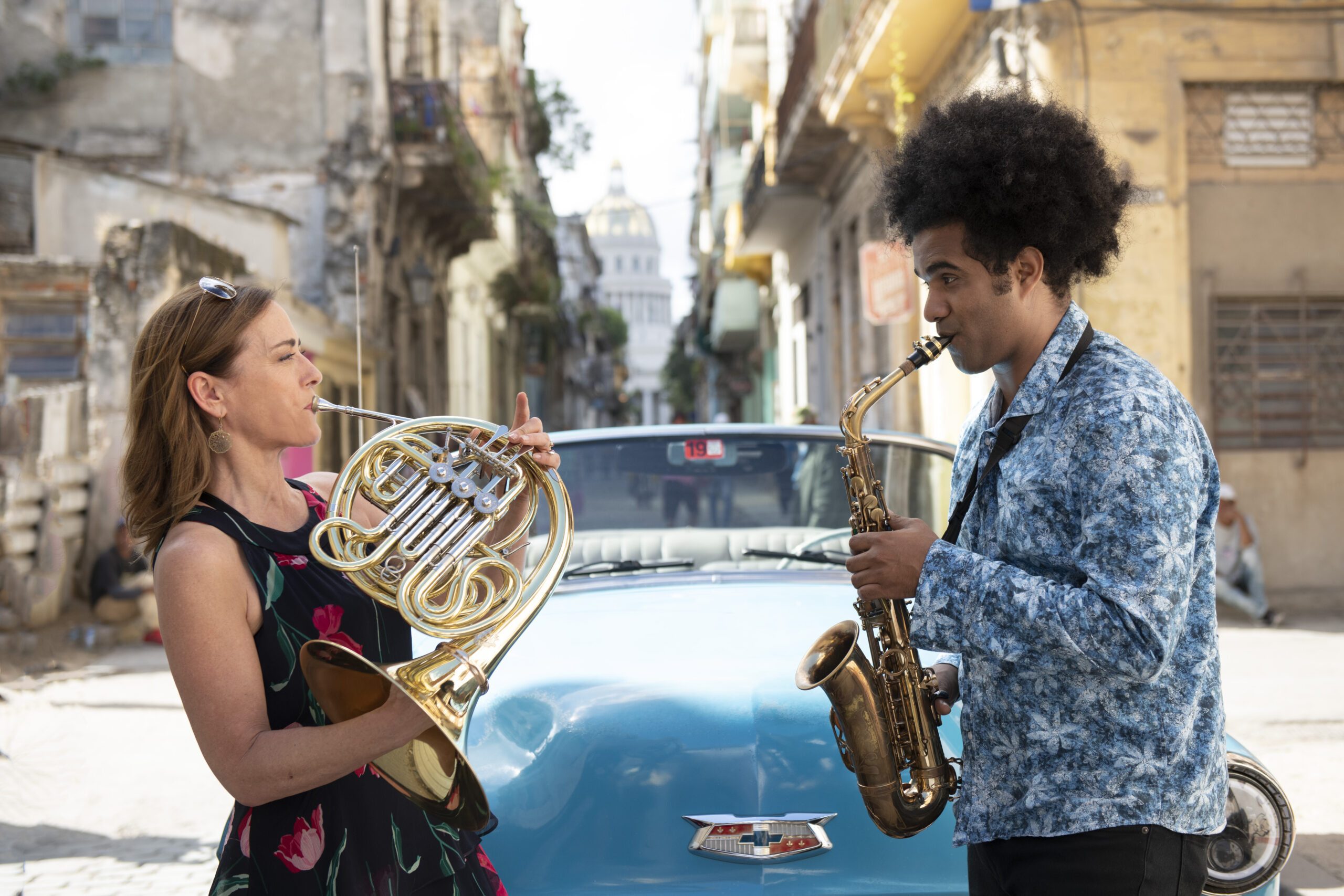
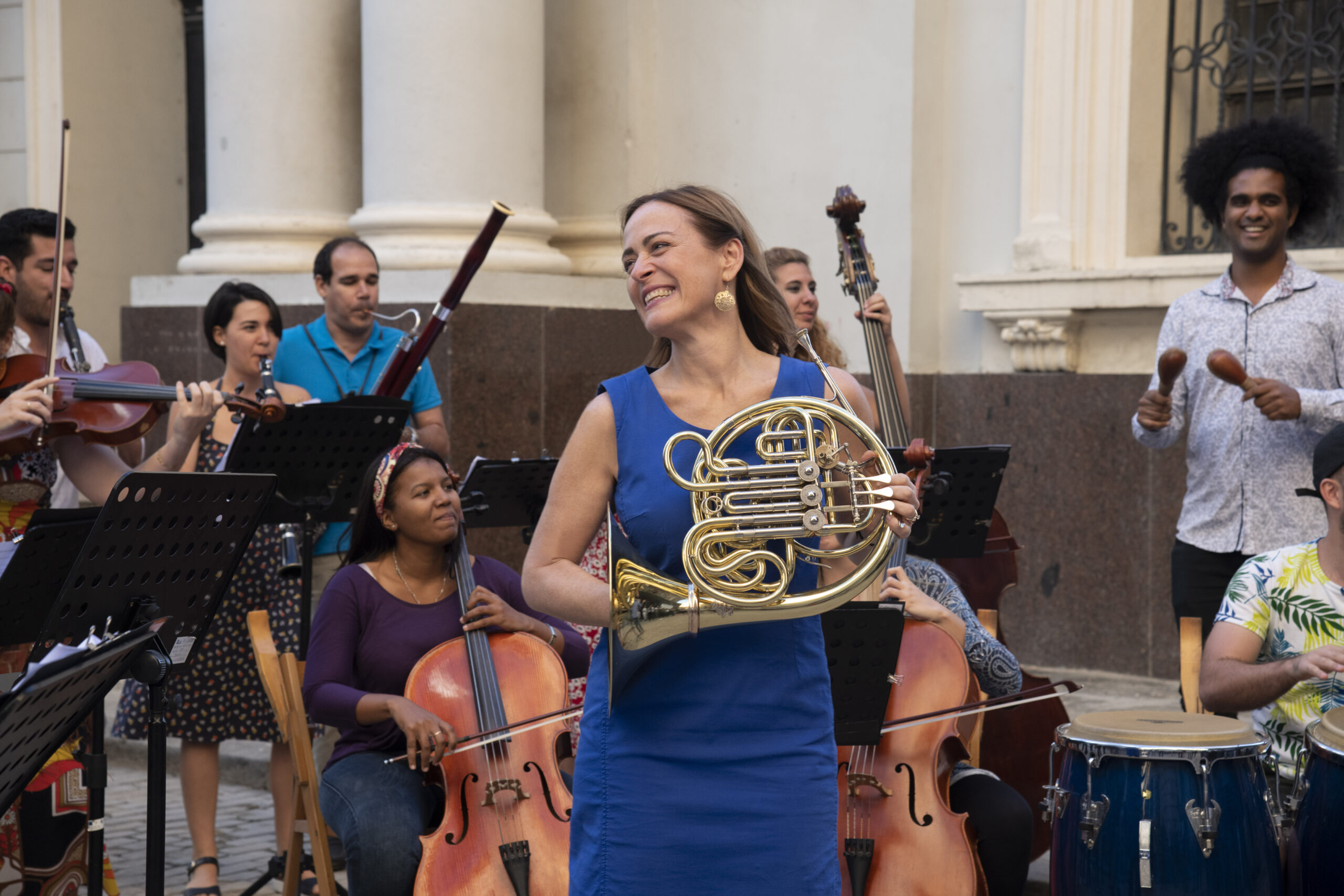
In Miami, there are a lot of Cubans. Someone said, “You know, Cuba’s thirty-two minutes on a plane from Miami.” And I suddenly thought, “Well, why don’t I just pop over and I’ll see about making some programs.” I had absolutely no idea how anything worked in Cuba, but I knew somebody who knew someone in the Havana Lyceum Orchestra. They put me in touch with the conductor of the orchestra, José Antonio Méndez Padrón, or, as he’s better known, Pepe.
Pepe is from Matanzas, a very musical town about two hours from Havana where some of the best horn players in Cuba come from. He grew up in a musical family, the son of a choir director and a dancer, and would assist his father on early music, playing the accompaniments for the choir. Very early on, Pepe set up the Havana Lyceum Orchestra because he wanted to practice conducting. They have a long history together and have been playing together for over 15 years.
At the Miami airport I thought it was going to take 33 minutes, but I needed three hours to check-in, because immigration is a nightmare. But by the time you go up in the air and open your package of peanuts, you’re going back down again. You don’t just land in a different country, you land on a different planet. I’ve traveled a lot, but I had never experienced anything like that.
Pepe picked me up at the airport. Thank goodness, because everyone wants to pick you up at the airport, it’s quite overwhelming. I got out of the car and 20 people wanted to help carry my suitcases. Pepe asked if I wanted to go to a concert the next day and I thought, “Great! Los Van Van, Havana D’Primera, Buena Vista Social Club…”
I asked what the music would be there and he said, “Mozart,” and I thought, “Oh, man, nothing against Mozart, but Mozart was not what I had gone to Havana to do.” To be polite to Pepe, I went to the concert and met the Havana Lyceum Orchestra, and the rest is history.
You read about people finding their roots, finding their second home. There’s no explanation for it, but I felt like Cuba was my place. Cuban music gets under my skin and into my veins like no other music. I love Bruckner, Bach, Mahler, but that doesn’t make my body want to move… Cuban music made this classical musician’s rusty body want to move!
On the streets, in every bar, there was a different band playing. It was like a cacophony: you get mambo out of one place, bolero out of another, and salsa from another corner. When I met this orchestra and heard them play Mozart, I was so impressed that there were such good classical musicians in Cuba. And up until then, the world didn’t really know that they were there.
It was very difficult to make the TV program that I planned because I didn’t realize how difficult everything is in Cuba. But in the end, we made four programs about Mozart and Havana, and that was before the Mozart y Mambo project. Making them and being there and giving master classes, I fell in love with the music, fell in love with the people, and decided I wanted to do something to help.
So, back at home in Berlin, I talked to a recording engineer here at the Philharmonic and he said, “You need to record your Mozarts finally.” I replied, “Not me. I’m not a soloist. I play in the orchestra, in the back, a tutti horn.” And he said, “No, everyone’s waiting to hear what you do with Mozart.” I suddenly thought, “Maybe I could do that. And why not in Cuba?”
“The most important lesson that I’ve learned from this is that if you’re surrounded by people who love and support you in what you do, you can be the greatest you can be.”
Everyone said I was crazy. But that’s what we did. And we did it against all the odds (and literally all the odds: Covid happened, I got quarantined there, we all got Covid there). I brought musicians from the Berlin Philharmonic over for the third album. We did a lot of work on the arrangements remotely, but the Cuban internet is so terrible. I was up in the middle of the night when they were able to get into an internet café. I have to write a book about these stories some time.
The Mozart y Mambo mix started one night with Pepe and some others, in a bar with a few mojitos. We started thinking about what Mozart would have done if he’d gone to Cuba. Having seen this orchestra in action, the way their bodies moved with Mozart, and the way they had a completely different groove with Mozart, we suddenly decided, “OK, let’s see. Let’s try some stuff out.” Ronda alla Mambo was born, a mixture of the famous Mozart horn concerto rondo and Cuban rhythms.
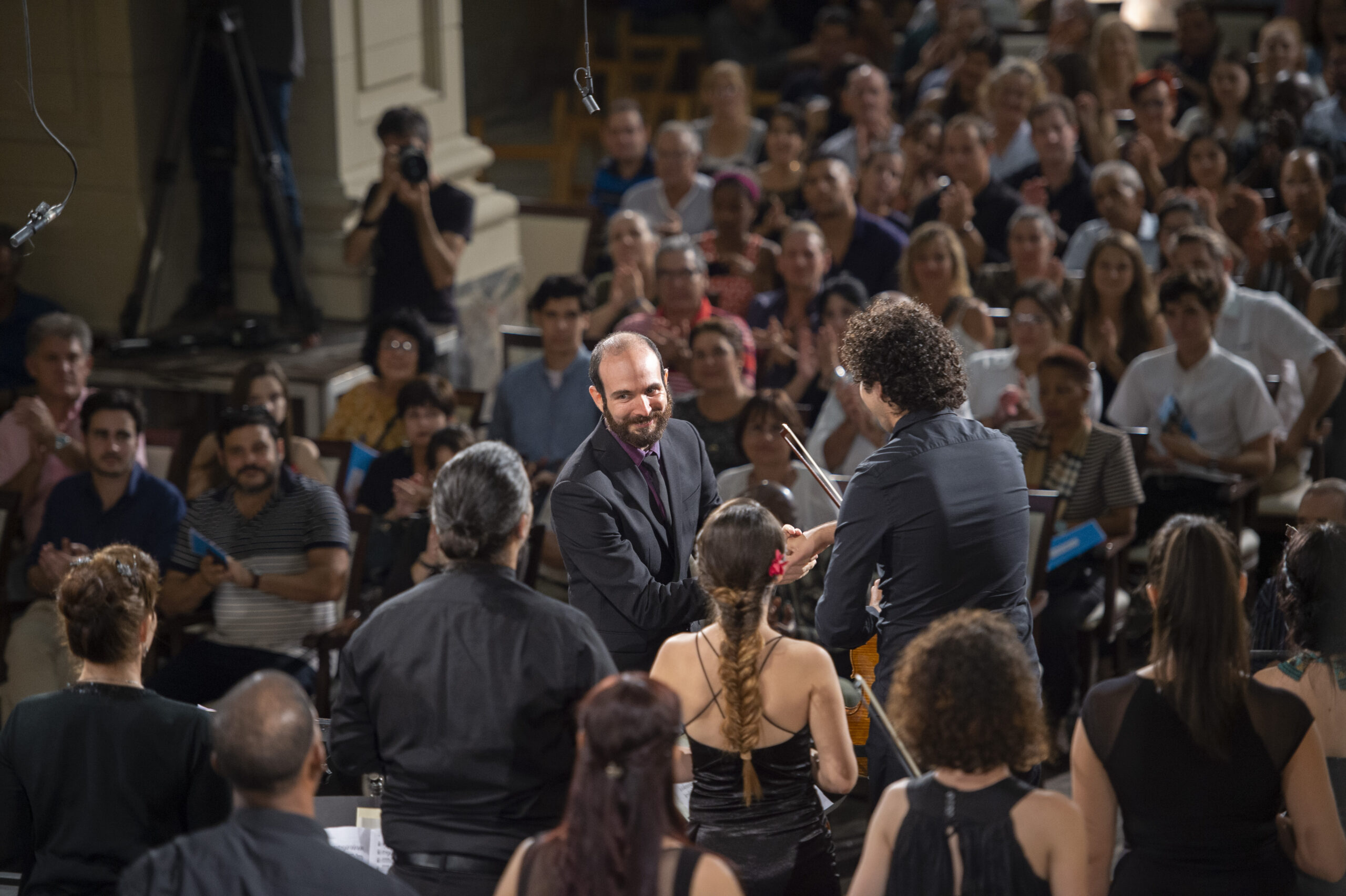
It’s been a second education for me, because you can’t sit down and play Cuban music. People think, “Oh, Sarah, she’s just singing and dancing on stage.” I’ve had to really learn Cuban music. I’ve sat down, I’ve listened, I’ve studied the history, I’ve learned the dances. My Cuban friends say, “If you can’t dance it, you can’t play it.”
Cubans don’t just play music. They are music. And the tradition of classical music has always been there. There has always been a National Symphony Orchestra. There’s always been music schools in Havana especially, for younger students and a university for older ones. There’s a big influence of Russian teaching as well. The tradition was there, but it’s not what the tourists go to hear. They don’t go to Cuba to hear Mozart.
It’s always been a tradition, but to be honest, without Pepe Méndez, I think classical music would have a really rough time. There are choirs and there’s a ballet. The ballet has always been very strong, with Alicia Alonso, Carlos Acosta, and all these amazing dancers.
But, for one thing, they didn’t have good instruments. I was teaching a master class, and this girl was playing for me. I was talking about breathing and I picked up her horn to show her something. It came apart in my hand. She said not to worry, took the hair band out of her hair and tied it together and told me it happened all the time.
That girl now plays on an Alexander horn that has been organized by the Mozart Y Mambo project. They all play on better instruments now. You can hear it from the first album to the final Mozart y Mambo album. You can hear how much better the orchestra sounds. This makes me very happy.
Now, when the Havana Lyceum Orchestra plays, people know them. Our Mozart y Mambo concerts are always sold out. They are now trying all sorts of other repertoire and it’s wonderful to see. We’ve set up an orchestra academy as well for young musicians to learn, because orchestra playing is not taught in Cuba.
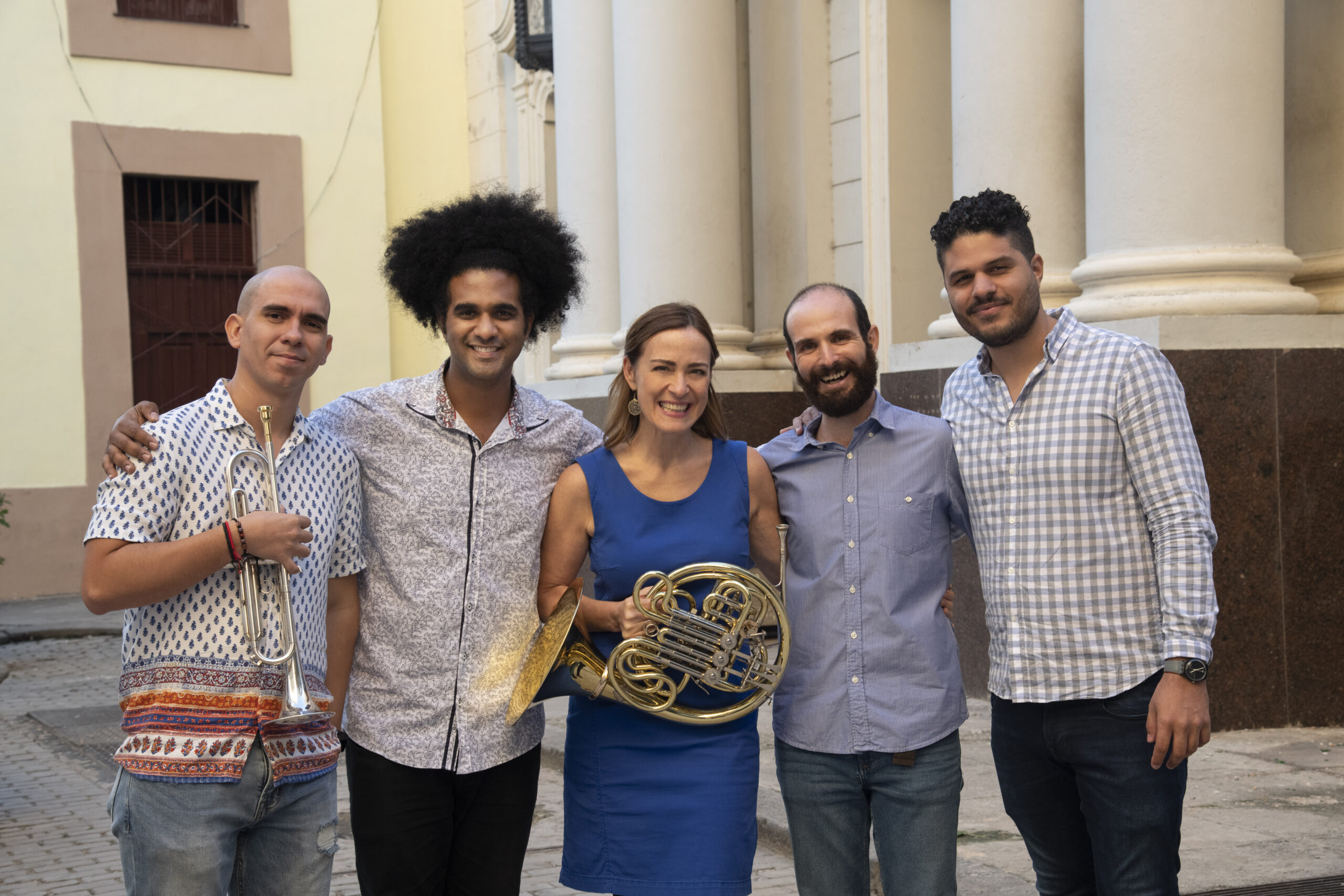
We’ve been very lucky to get some funding from the German Foreign Ministry with the help of the German Embassy in Havana. I will be taking five Berlin Philharmonic string players with me in February to teach. One of our clarinetists was just there in October – it’s been fantastic for the students and to have this support.
Any time somebody goes to Cuba and can play an instrument, I say, “Please, go and give a class.” We just had a tuba donated from my friend in the Vienna Philharmonic, and someone had to carry it all the way to Havana on his back. It’s very important that we train new, younger musicians. There’s a lot of talent there, they just need help and hope.
I have found this second calling. It’s gotten bigger and bigger, and it’s changed everybody’s life who’s been involved with the project, including mine. Why did I need this when I play in the Berlin Philharmonic and tour the world? I didn’t know I needed it. But it has been life changing. Pepe Mendez is one of the world’s tireless, silent heroes. He does so much for music in Cuba and I couldn’t have done this project without him. He’s like my brother.
The most important lesson that I’ve learned from this is that if you’re surrounded by people who love and support you in what you do, you can be the greatest you can be. I’ve been very lucky that in my orchestra I have a fantastic, supportive horn section. But the classical music world is a difficult place. It’s a lot of ambition. There are auditions. You must be the best, always the best, but then once you are the best, there’s always the pressure to stay the best.
Just because you play in the Berlin Philharmonic doesn’t mean you’ve made it. It’s worse actually, because the higher you are, the further you can fall. And now, with the live streaming on the digital console, the potential for humiliation is huge. I don’t think it is good to be best buddies with everybody around you, because you don’t want to show all of yourself. You have to be a bit protective.
In Cuba, I found an atmosphere where I felt so supported and so loved, and also they were very grateful for what I was doing. I was able to be the best I could be without being afraid of failure. And that’s something that’s very addictive as well. I was suddenly playing as a soloist. I knew I was a good horn player but there’s always this inferiority complex which goes with that. Always the question: am I good enough? What are they going to think? Am I going to shake? Am I going to split this note? It doesn’t go away, but you learn techniques to deal with it.
I was so embraced in Cuba. Also, my brain had to deal with all these Cuban rhythms. I didn’t have time to worry about insecurities. Funnily enough, the insecurities come now after doing the project for five years, because everybody knows the music and expects a fantastic show.
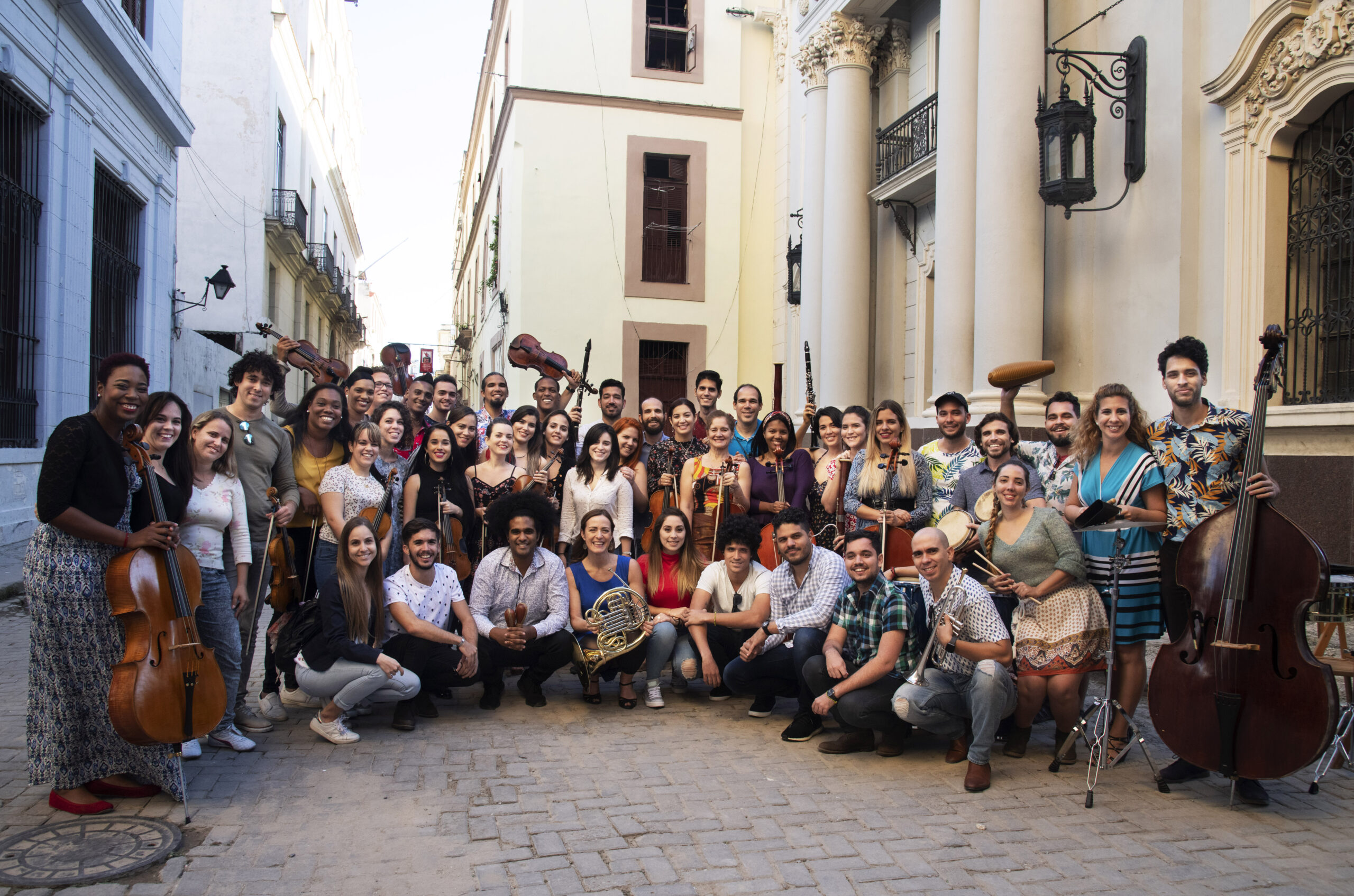
We’re sold out wherever we go, whether it’s the Elbphilharmonie or the Philharmonic here in Berlin. We went to Taiwan; every concert was sold out. It’s amazing, but I have to do it in front of all these people. They all know the album; they’re expecting something amazing. I feel the pressure much more now than I did then. But I still love it!
This project has my name on it, but I genuinely don’t feel like it’s any sort of self-promotion thing, because it’s a project to help others and to promote Cuban music. I’ve learned just as much from them as they’ve learned from me. I’ve learned to be more grateful for what I have.
You go and you spend Covid time in Cuba with no toilet paper, and power cuts, and hardly any food and then you go home to your supermarket, and you realize, well, okay, we’re lucky. I’ve also learned that music is not only this thing you have to learn and perform; it can be something incredibly free.
When I see my Cuban musicians on stage with me giving their absolute best, or I see a video of what we’ve done and the places we’ve been, it’s almost too much for me to take in. They tell me, Sari, you did that, and I know I did a lot, but we did it all together. It’s been a mission, and such a wonderful one. And there is more to come!