Anna Clyne is a British composer based in Upstate New York. Her latest piece, PALETTE, features her groundbreaking Augmented Orchestra.
Origins: Anna Clyne
Share: 


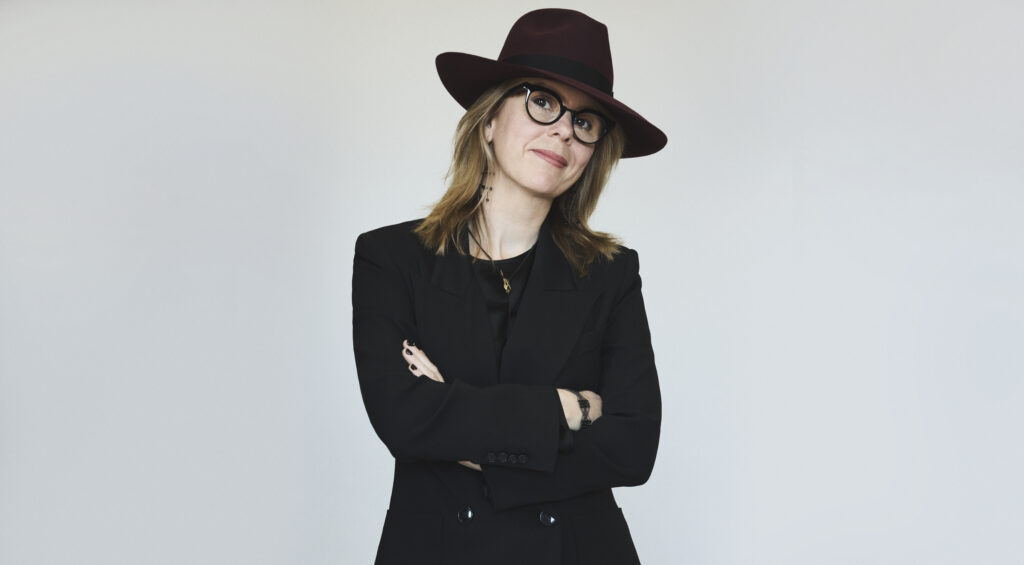
The majority of what I write is inspired by my work as an electroacoustic composer when I started out almost 20 years ago: gathering sounds, stretching them out, layering them, inverting them, pitch-shifting them. I’ve applied all these processes to my orchestral writing, especially over the past decade. So, I’d describe my music as an exploration of textures driven by melodic ideas.
I started composing when I was seven. I’m not from an affluent background and the piano we had had been donated by friends. It had some missing keys, so I would avoid those particular notes. When I was 11, one of my closest friends, Carla, played the flute, so I wrote pieces for flute and piano and we applied to the Oxford Youth Proms.
To our amazement, one of the festival organizers came to my house. I remember him clambering through the front room, which was filled with junk, to listen to us play, and he invited us to perform. As two young 11-year-olds that was really exciting. We called ourselves the Ice Blues because Jelly Belly had just arrived in England and Ice Blue was our favorite flavor.
In some respects, this was my first introduction to electroacoustic music, and not in the most enjoyable way. It was in the Oxford Town Hall, which had an electric piano that started to distort the moment we began to play. I could hear people scurrying around trying to fix it and I thought, just keep going. So, for the majority of my first public performance the music was distorting. I felt quite disappointed, so they invited us back to play it on an acoustic piano and there were no technical hitches.
I remember Carla and I both went to the hair salon to get a French braid for the concert, which was a really big event for us. Fast forward 40 years and we’re doing Palette, which has intentional distortions.
I had no grand plans to become a composer. I had planned to study English literature but at the very last minute I switched to music at Edinburgh University. I specialized in composition, electroacoustic composition, music in the community and music technology. I didn’t have my first composition teacher until aged 20 as an exchange student in Canada.
Eventually, in 2002, I moved to New York and applied to the Manhattan School of Music where I studied with Julia Wolfe – that’s where I really began to focus on composition.
Julia is one of the founding members of Bang on a Can, a contemporary music ensemble. It also has a summer music festival affectionately called “Banglewood” held near Tanglewood in Massachusetts. It’s where composers and musicians from around the globe come together. In fact, I met my husband there.
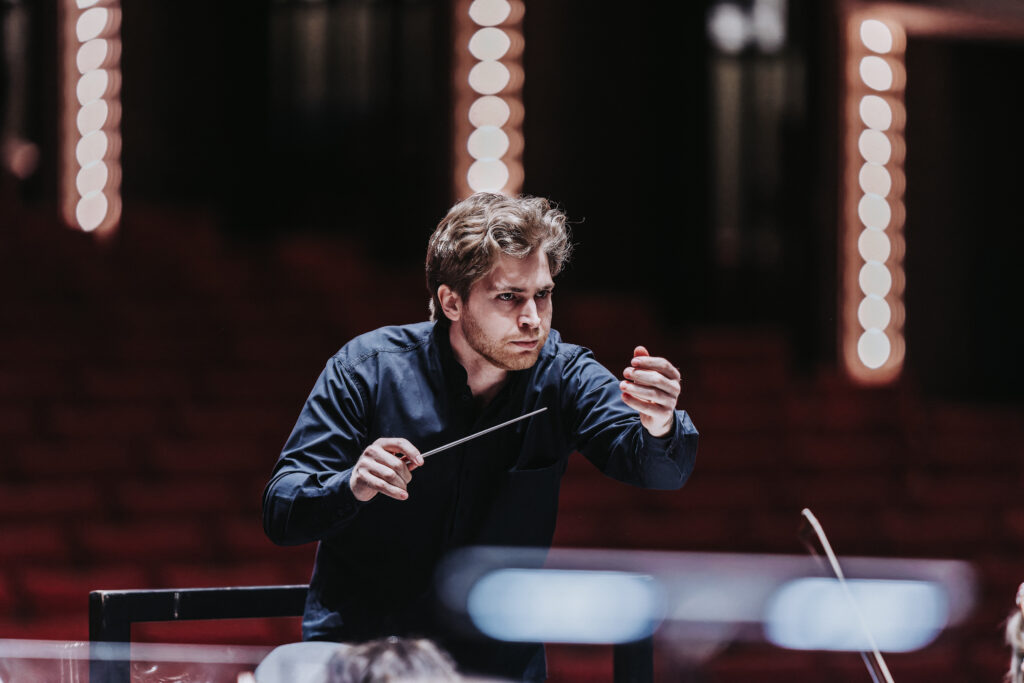
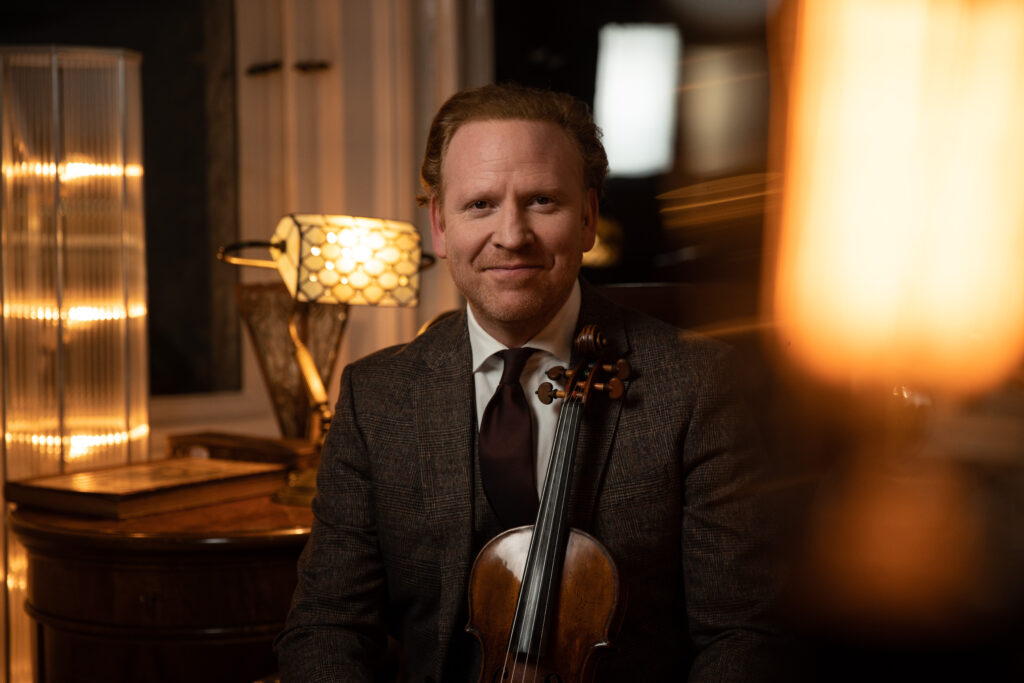
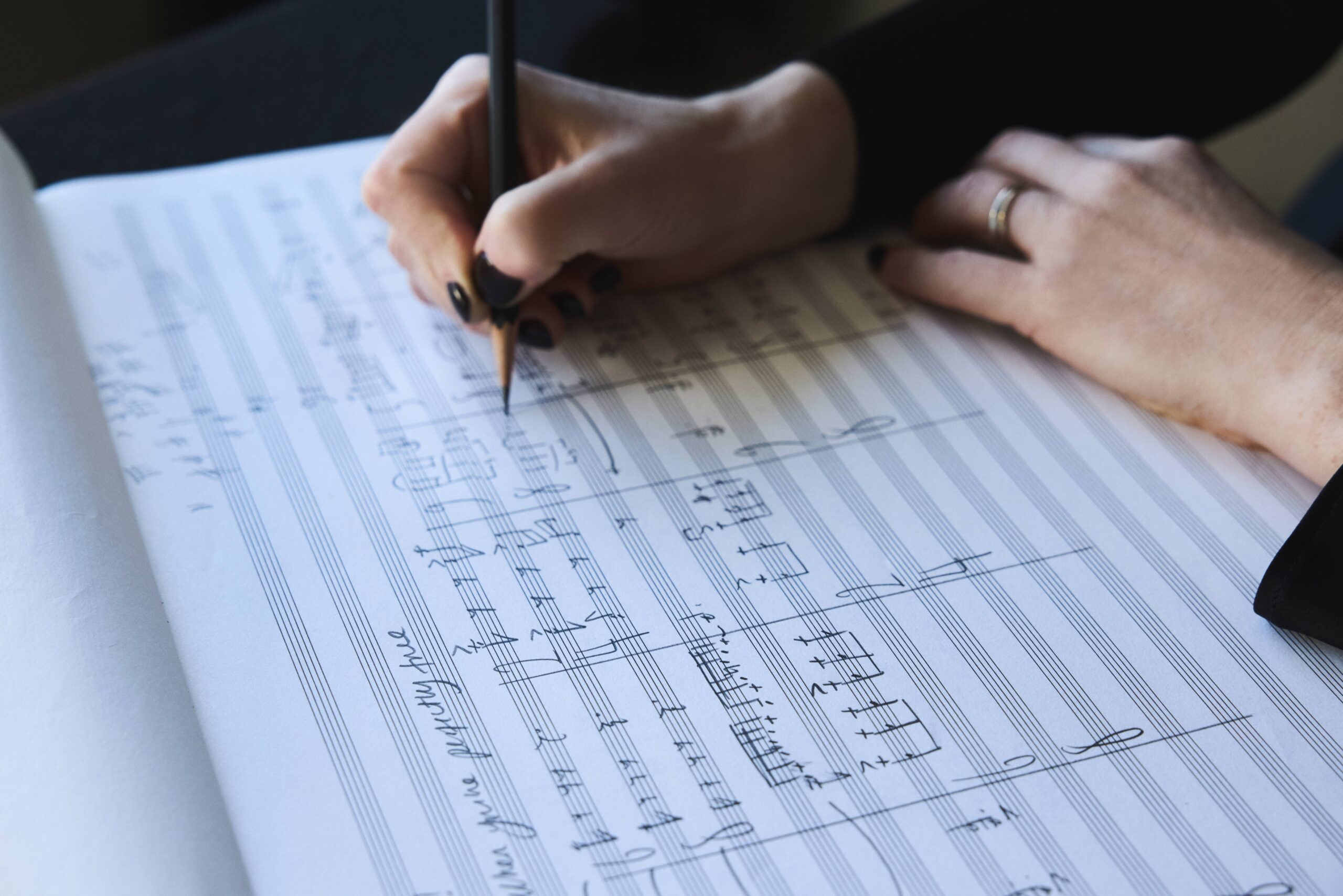 Photographer: Victoria Stevens
 Each year, they invite a guest composer to work with five younger composers – when I went it was Steve Reich. He invited us to share our music with him, but I was shy, so I didn’t.
Several months later, I saw him at an event at Brooklyn Academy of Music, so I built up the courage to reintroduce myself and he gave me his address. I sent him Rewind, my first substantial orchestral work. A month later, he sent me an email, titled: “You are a good composer”. He said: ‘My gut feeling is that you are the real deal,’ and he offered to introduce me to John Adams. They both recommended me for a professional training workshop at Carnegie Hall, which led to a commission. I really feel like that meeting with Steve Reich unfolded this whole sequence of events.
At that stage, my compositions were unusual because I didn’t have a strong sense of orchestral tradition so I just kind of went with my ear and intuition rather than analyzing lots of scores. I was also listening to things like Medúlla by Björk, as I was interested in the way albums are constructed in a very layered way. Another would be Michael Jackson’s Thriller; I think a lot of recordings have really influenced my music.
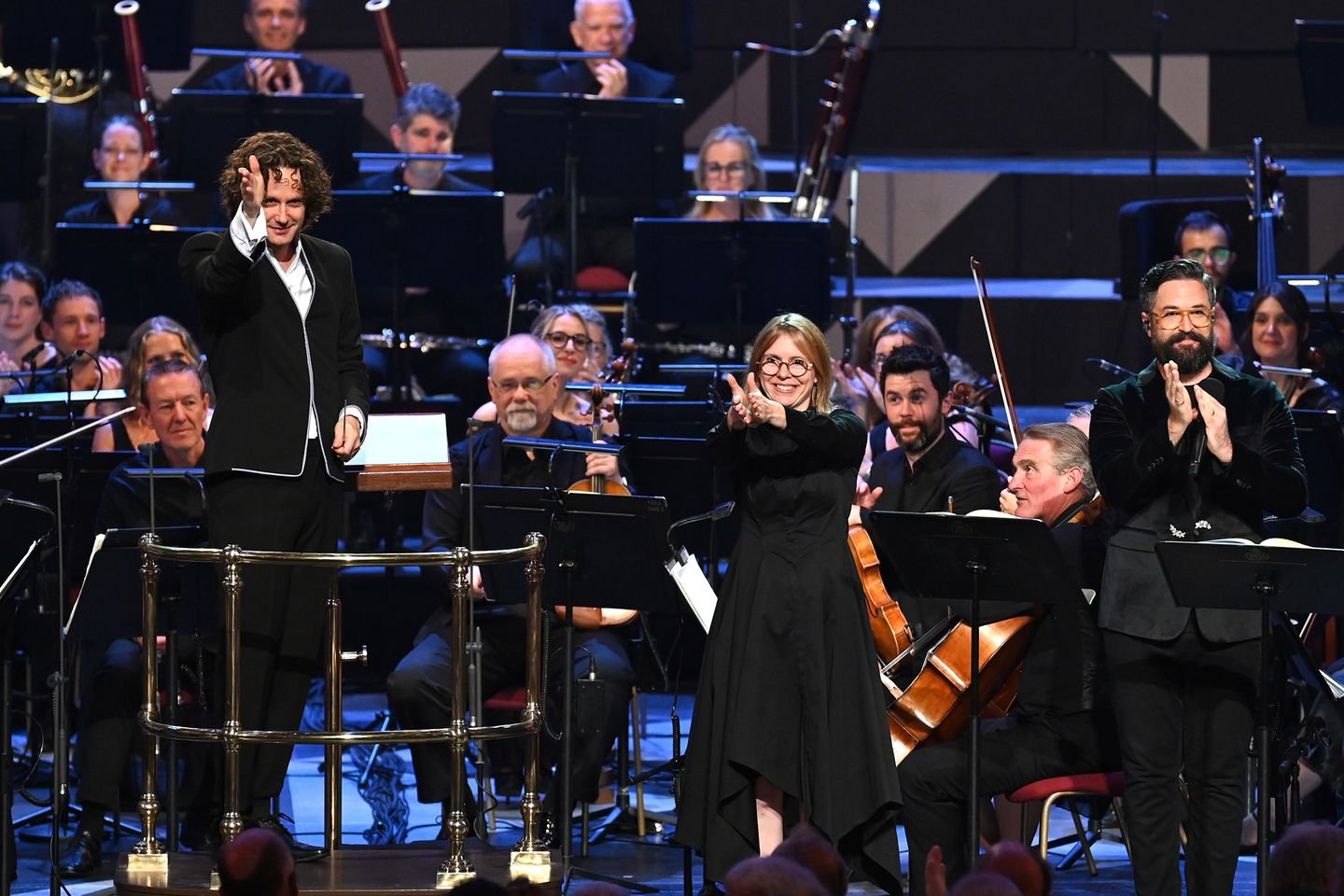
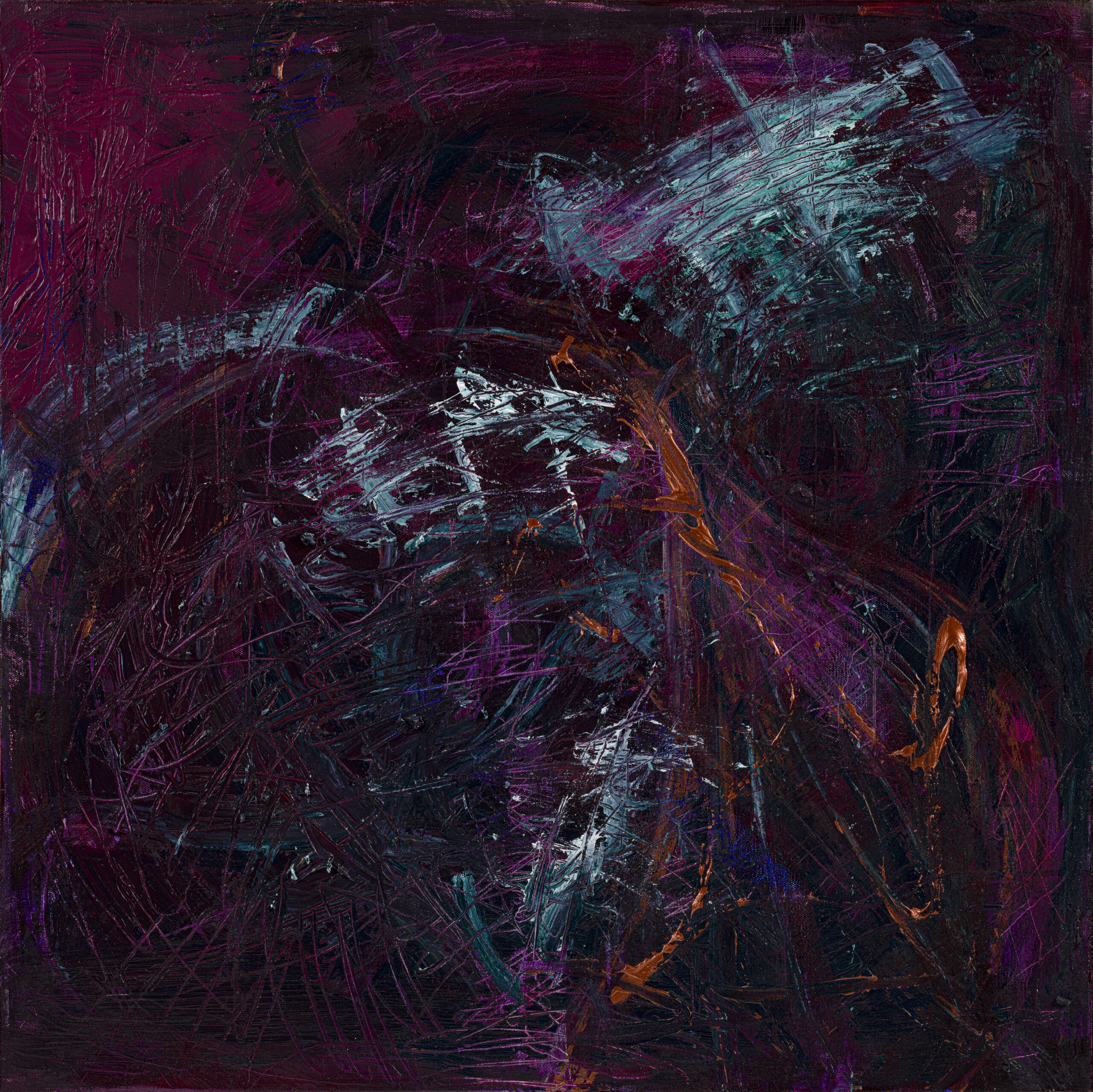
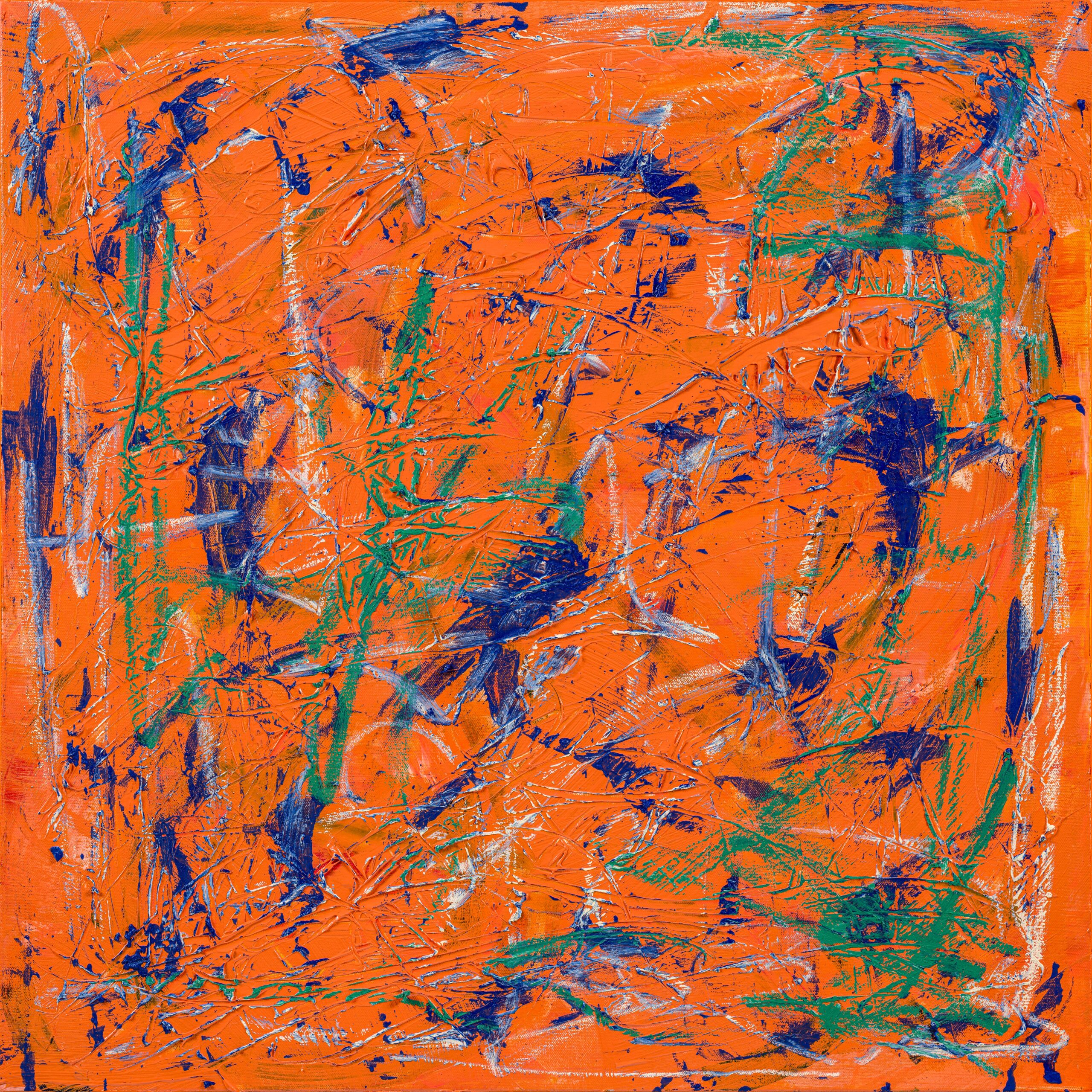
I always want to keep the creative process fresh, so I will look for external inspiration to push me in new directions – be it electronics, dance, visual art, or literature. For my new orchestral piece, Palette, I wanted to explore my own expression as a painter. The seven movements are an acronym for Palette, so it’s Plum, Amber, Lava, Ebony, Teal, Tangerine and finally, Emerald. For each, I created a very large painting on canvas exploring light and dark textures and form and then seeing how these can be translated into music.
It’s also a concerto for Augmented Orchestra, a new technology I’ve been developing with my husband, the audio engineer Jody Elff. We place eight microphones in the orchestra for different instruments such as the oboe, bass clarinet, and double basses. At very specific moments the microphones open and an electronic process is applied so that the instrument’s sound can be expanded live in real time.
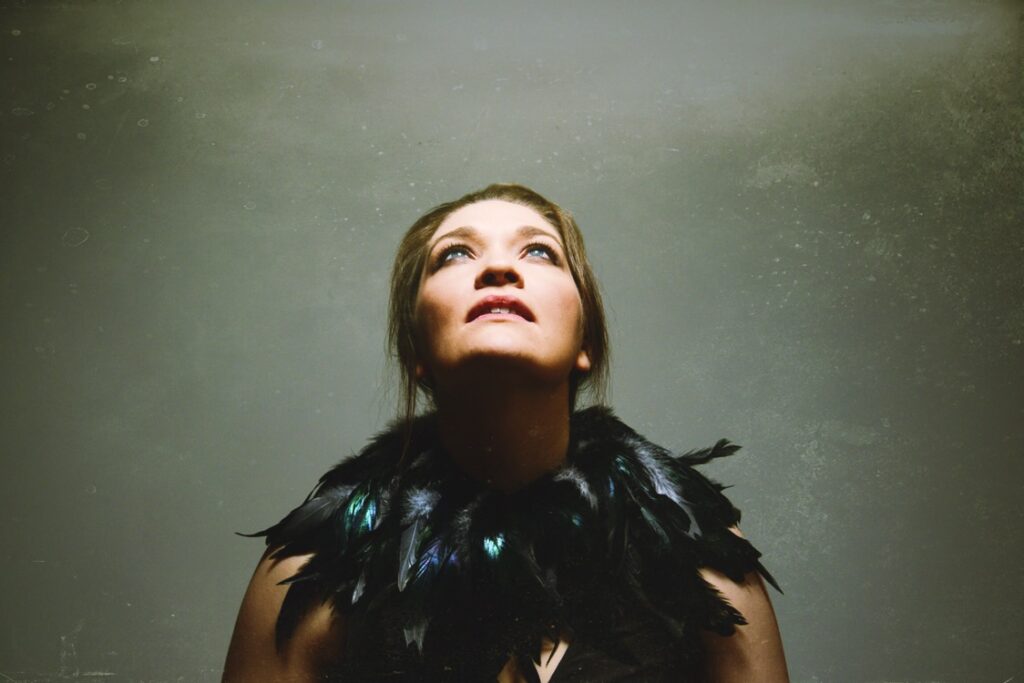
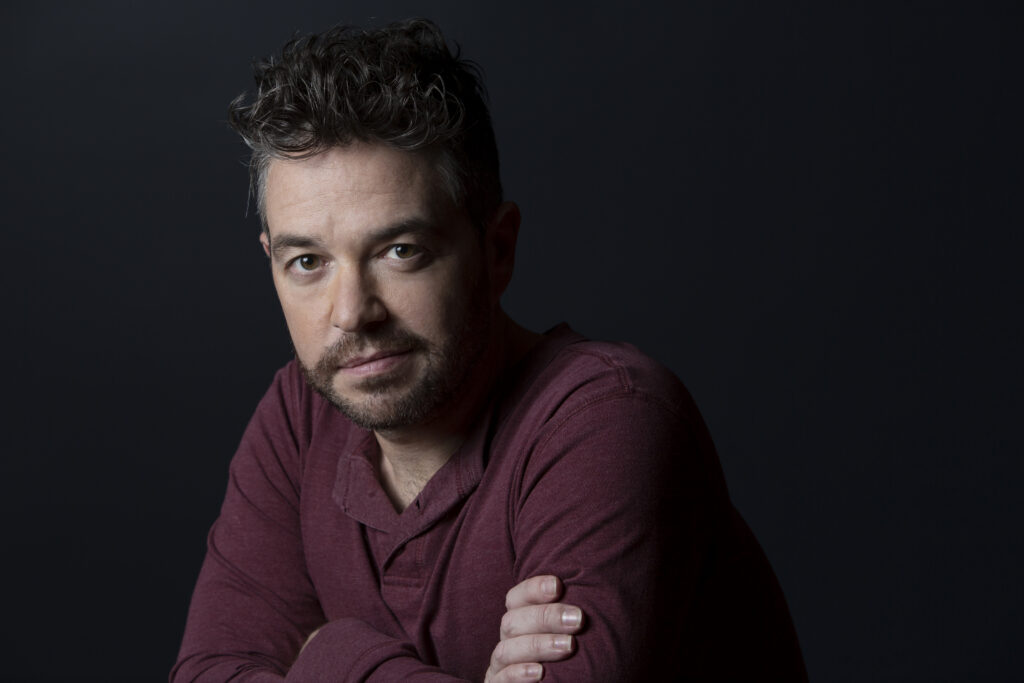
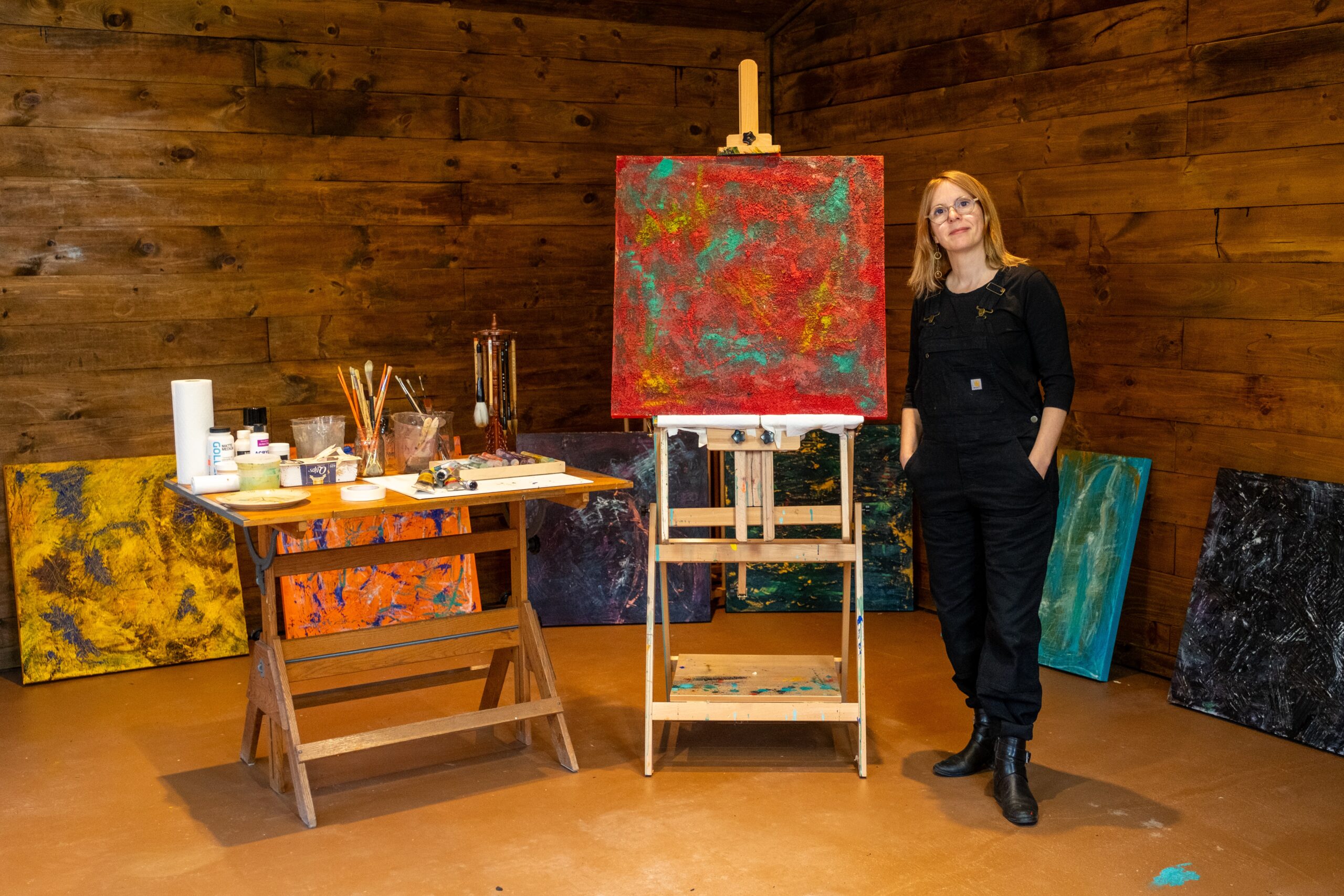 Photographer: Linda Källérus
 For example, through the AO, I can drop the double basses’ lowest note a further octave down, which gets you those low subtones you hear in drum and bass. Equally, a high-pitched instrument like the piccolo can be further extended. There’s another moment where we wanted the clarinet to sound more like an accordion, so we added two extra pitches and suddenly it’s living and breathing with the tempo of the conductor.
Palette has also allowed me to collaborate with Luke Kritzeck, the lighting designer. We wanted it to be an immersive experience, so the orchestra and audience are illuminated with the seven different colors of Palette, which also incorporates details from my paintings. The whole thing has got me thinking about the different ways we can experience music in the concert hall and beyond. That’s really important to me.