Matilda Lloyd is a British trumpeter and music educator.
Origins: Matilda Lloyd
Share: 


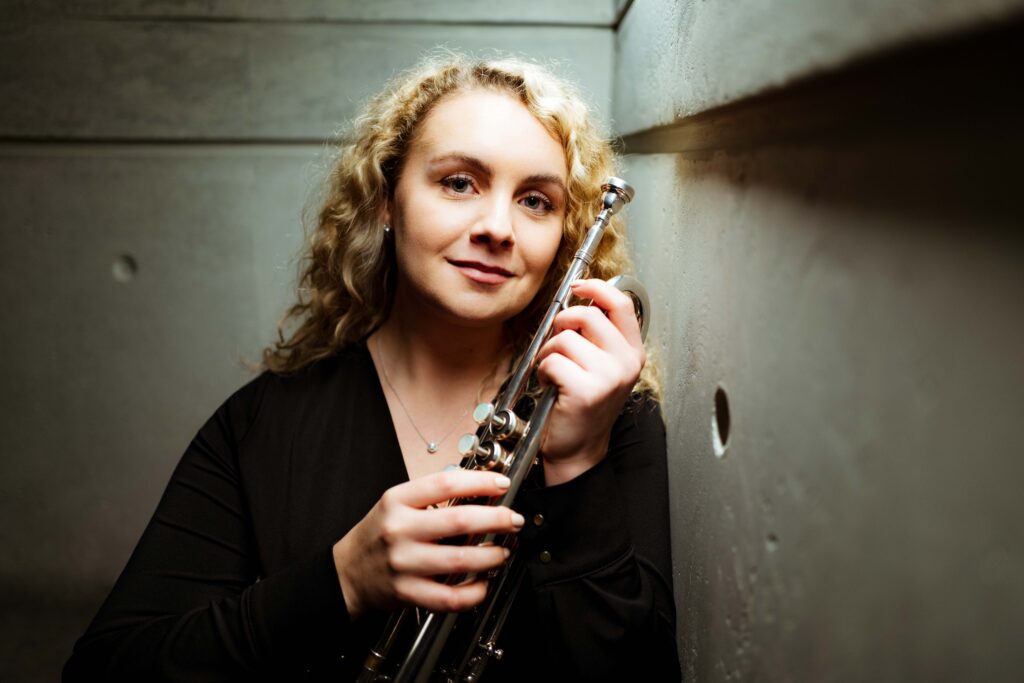
My mum is a piano teacher, so she started me off on the piano when I was about five years old. When I was eight, I was rummaging around the cupboards at home looking for a new toy and I stumbled across my father’s old trumpet, which he hadn’t touched since he left school. I thought, this looks exciting, and I found I could make a decent sound on it straightaway, so my parents got me some lessons.
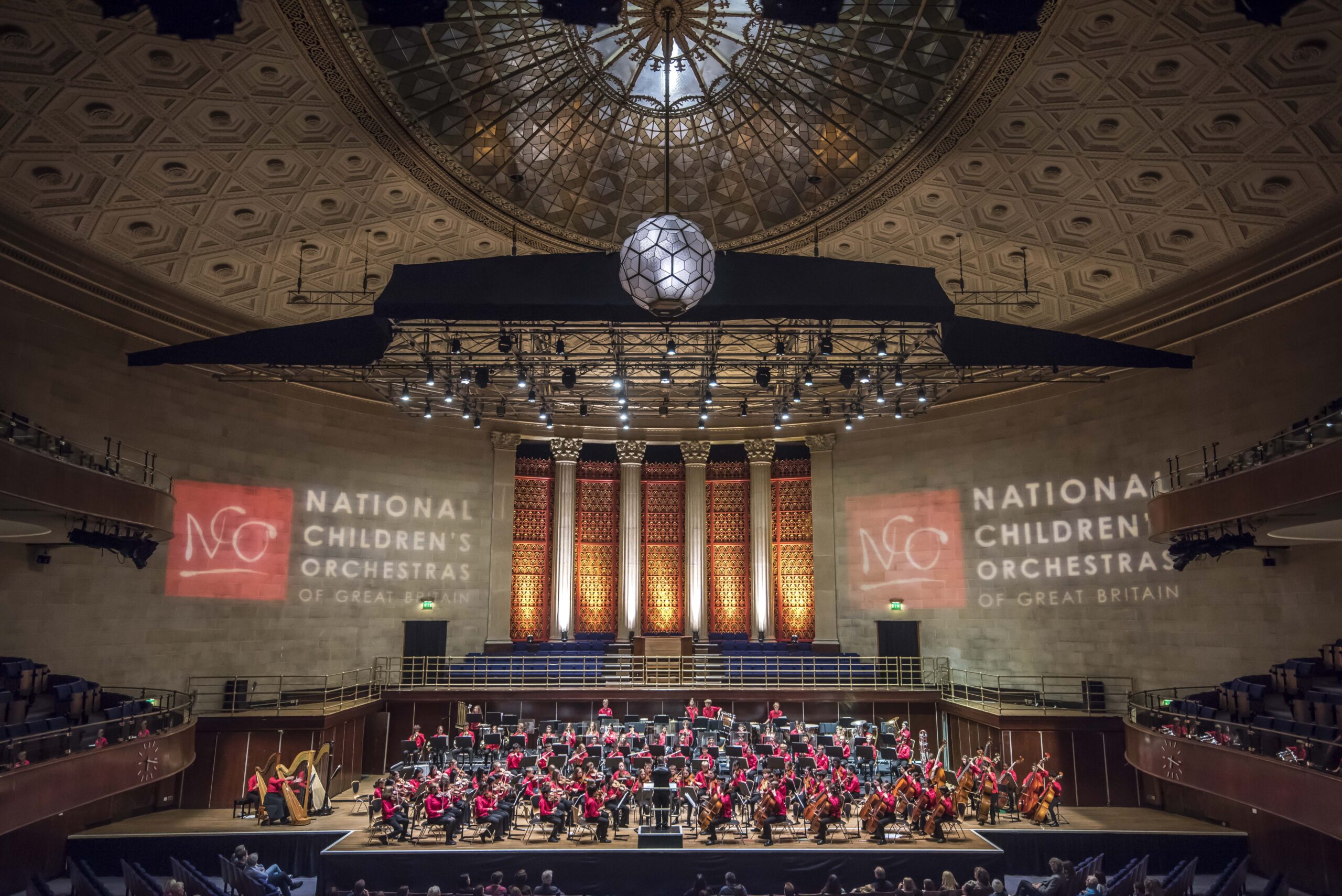
I joined the National Children’s Orchestra when I was 11. It was the first time I met lots of musicians of my age, so there was a fun social aspect to it, and then of course getting the chance to play fantastic orchestral repertoire like Mahler’s first symphony and Bernstein’s West Side Story.
All of my close friends attended junior music colleges in London so I begged my parents to let me do the same, so I could carry on seeing them. I would go up to the Guildhall School of Music every Saturday and have my trumpet lesson at 8am, which meant getting up at 5.30am! I also had cello lessons, jazz piano lessons, brass quintet, brass bands, symphony orchestra, and general musicianship lessons as well. I’d be there from 8am to 5pm basically every Saturday. It was incredible, my favorite day of the week!
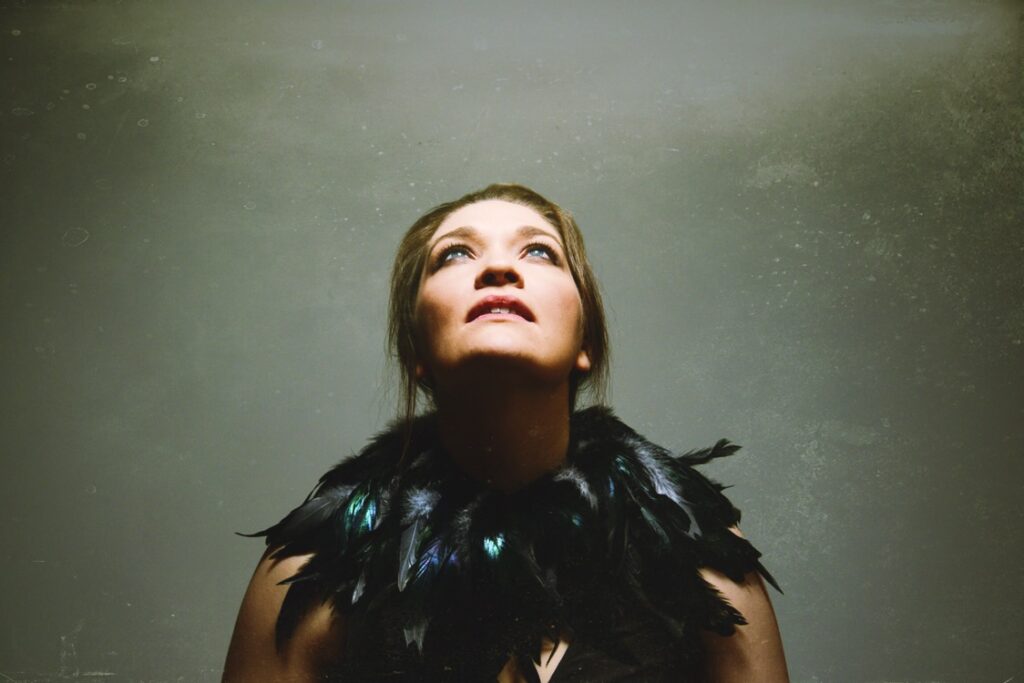
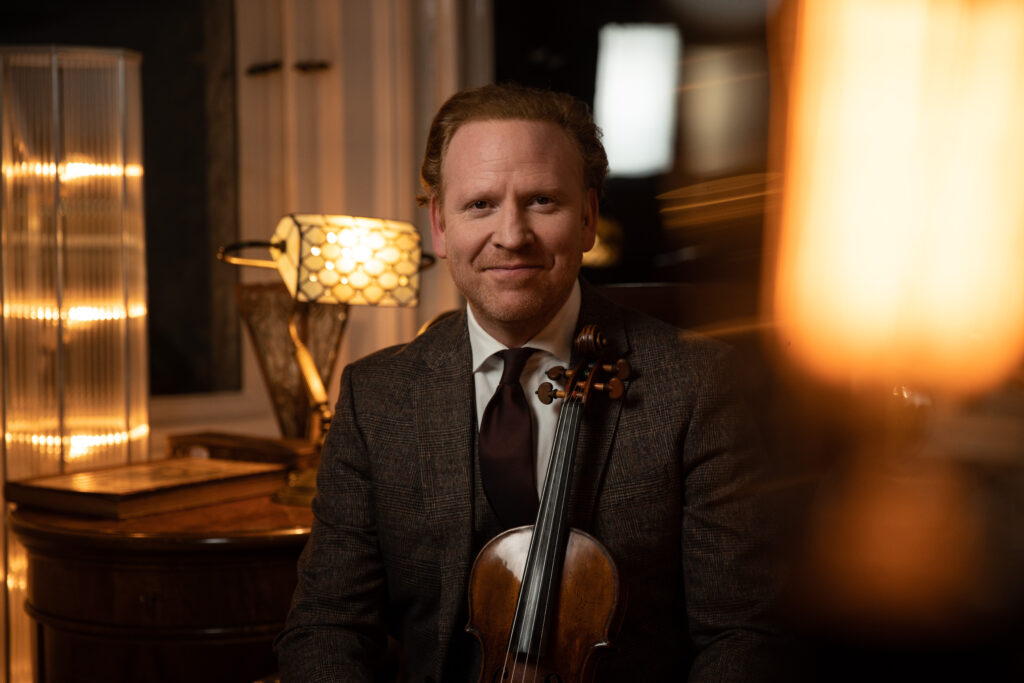
 Photography - Chris Payne
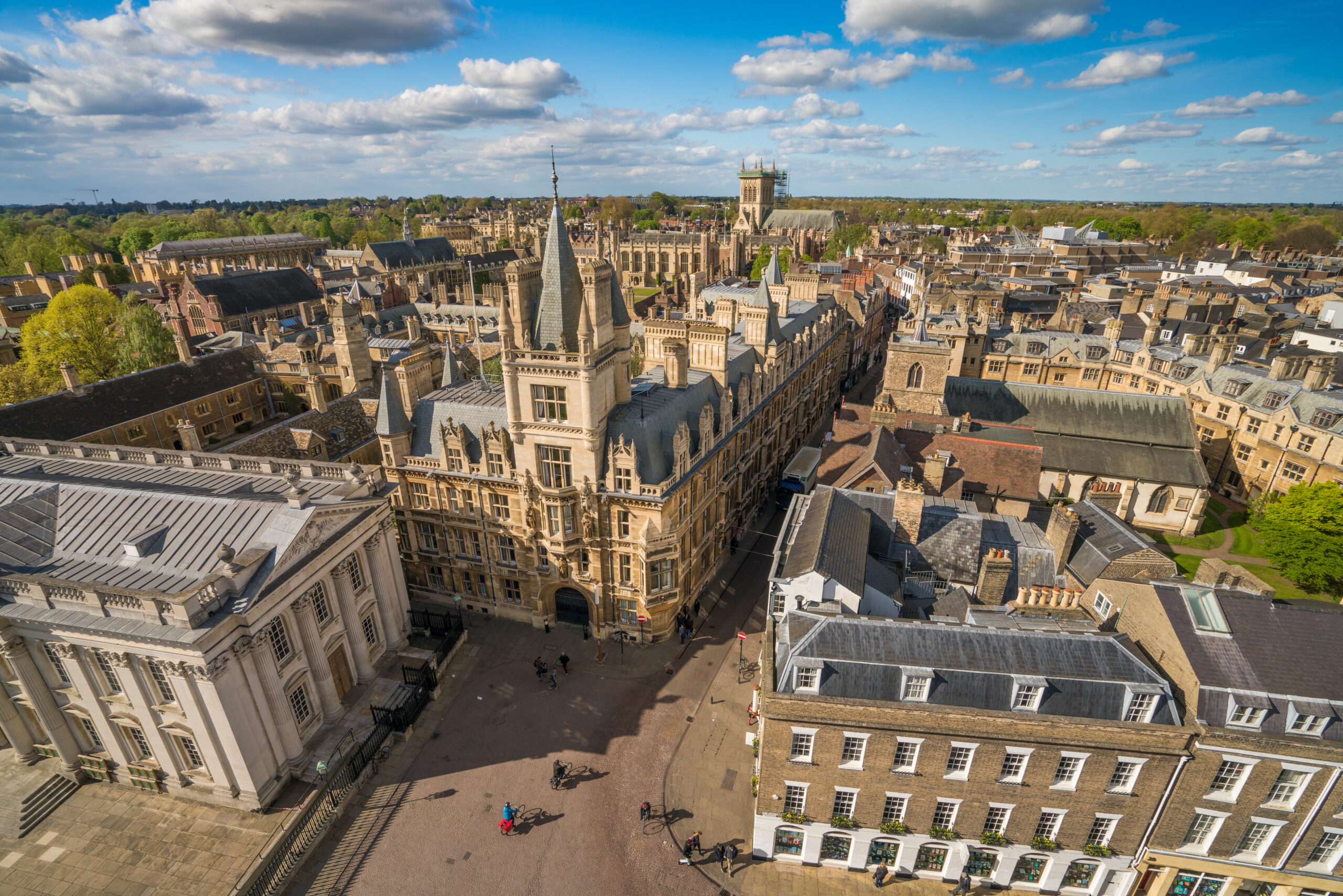
 The next big decision was whether I should go to a music college or to a university to do an academic degree. I eventually decided to go to Cambridge University to read music. It opened my eyes to so many different types and genres of music and all this amazing stuff I had never been exposed to before. It was perfect for me because at that age I didn’t just want to play the trumpet.
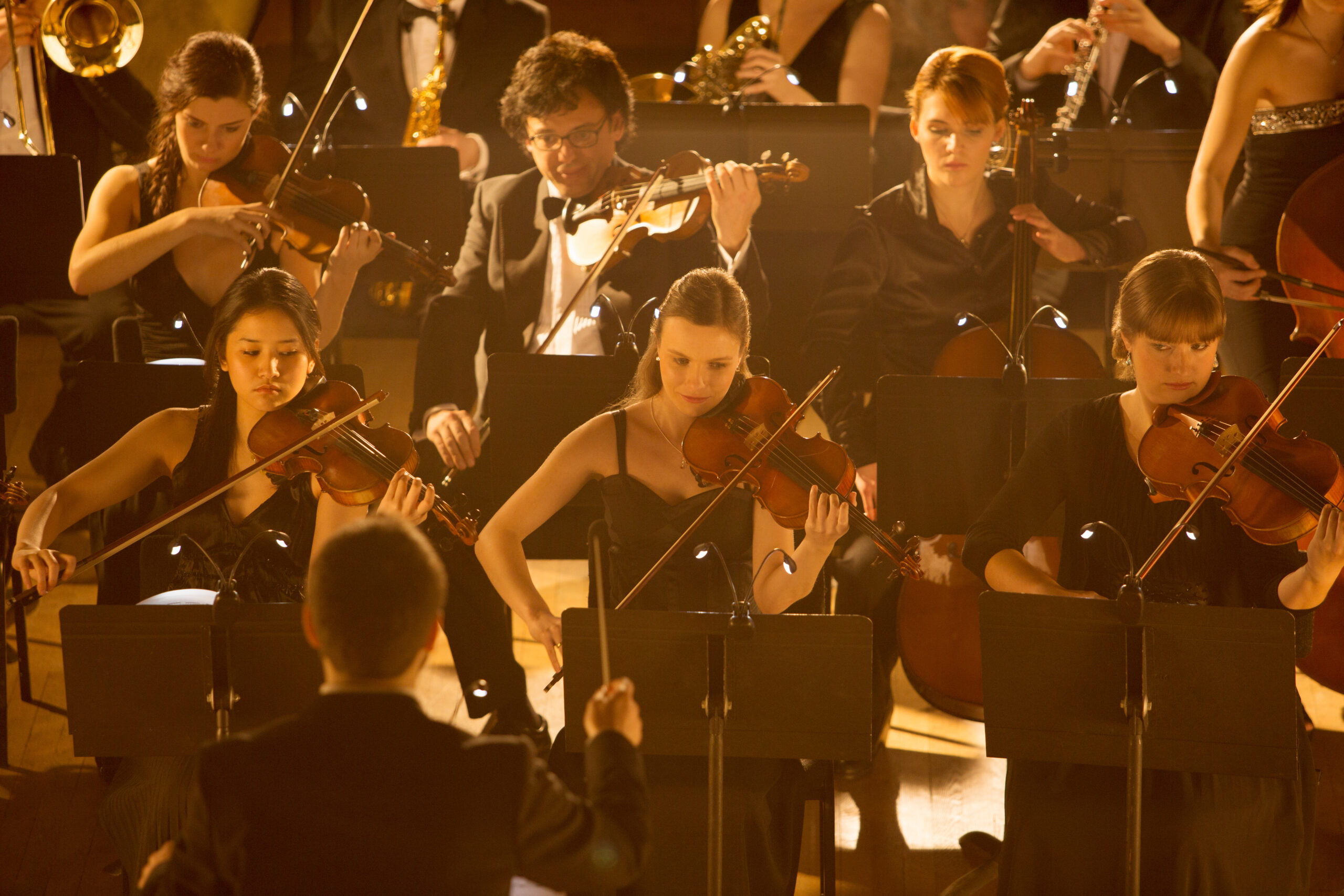
When I graduated, I felt ready to do a master’s degree at the Royal Academy of Music in London. I’d done a lot of orchestral playing at university and in the European Union Youth Orchestra as well, but now I had a laser focus on being a soloist and I just wanted to learn as much repertoire as possible. I entered a lot of competitions and had master classes with different teachers in Europe, so it was all systems go.
Trumpet soloists such as Alison Balsom and Tine Thing Helseth were always an inspiration and I don’t think I would have made that decision of, yes, I want to be a soloist if they hadn’t paved the way, especially for women. But the decision to become a soloist has so many reasons to it.
I really enjoy choosing my own music and deciding how I want to play it. When I make music it’s not so much about being a small part of a big whole – I know musicians love to contribute to that enormous orchestral sound – but for me I like being able to interpret it and add my own things. It’s like having more control of your artistry, which allows for a greater connection with an audience. This is harder to do if you’re sitting at the back of an orchestra.
I’ve never shied away from something that’s difficult but there are always doubts and fears. The Covid pandemic was hugely traumatic for me. I’d just graduated and then six months into my professional career we had Covid. I had signed up with an agency which went into liquidation, so I didn’t have any representation, and no concerts. I had to take a part-time job working for my dad’s book publishing company. It was an absolutely dreadful time, and I remember a six-to-eight-week period where I thought maybe this isn’t meant to be.
In the end I decided nothing is ever going to be as fulfilling and rewarding as being on stage, so I gave myself a target of 18 months to get a new agent, get a CD project sorted, find a record label, and find an orchestra to do it with. So, I just began emailing and eventually managed to find a new agent, which was a huge relief.
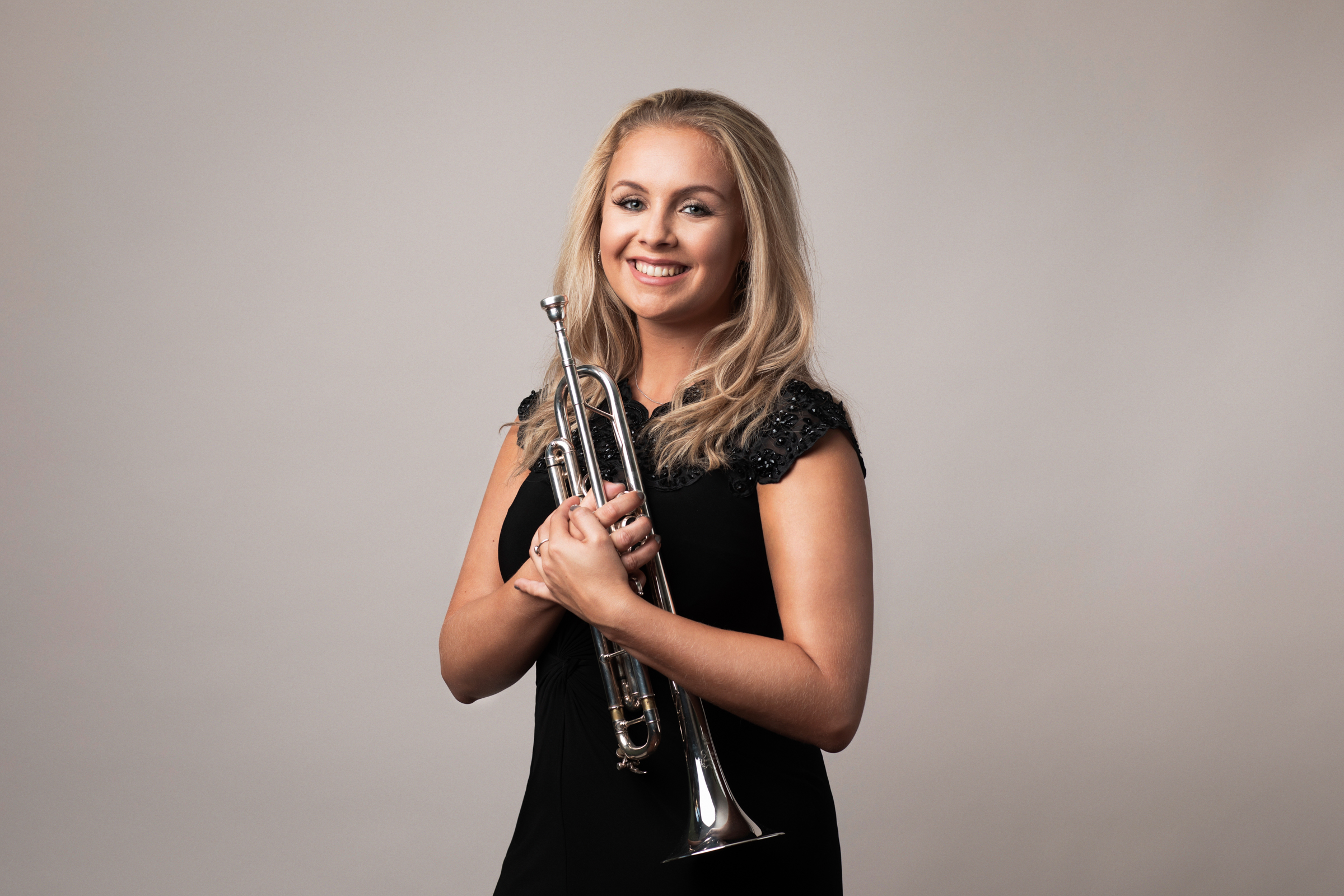
In 2023 Chandos released Casta Diva – Opera Arias Transcribed for Trumpet and that got BBC Music Magazine Recording of the Month. I have always thought of the trumpet as being very similar to the human voice. Historically it’s seen as a military instrument played by men, and I wanted to smash that stereotype and opera arias are a lovely way to show how the trumpet can sing. They also work really well as encores in concerts, so that’s a really lovely way to introduce them.
Recently I’ve been part of the EHCO (European Halls Concert Organisation) Rising Stars. Eighteen concert halls across Europe nominate one young artist from their country, from which six are selected to go on tour over one season so I’m really looking forward to that. I also love going to the States. There is so much enthusiasm for classical music and for the trumpet. I’ve had some wonderful concerts in Oklahoma and I’ve been the head of the trumpet studio for the OAcademy, which is an online music school. It’s an artist diploma course for people who have done their Bachelor’s and Master’s. There are certain things that are a bit trickier to do on Zoom, like sound and dynamics, but when the students are of such a high standard it’s really all about nitty-gritty details of style and phrasing.
My next CD is the Weinberg Trumpet Concerto with the London Symphony Orchestra, I mean you couldn’t ask for a better band to record with because they play so much by Shostakovich, who was a contemporary and friend of Weinberg.
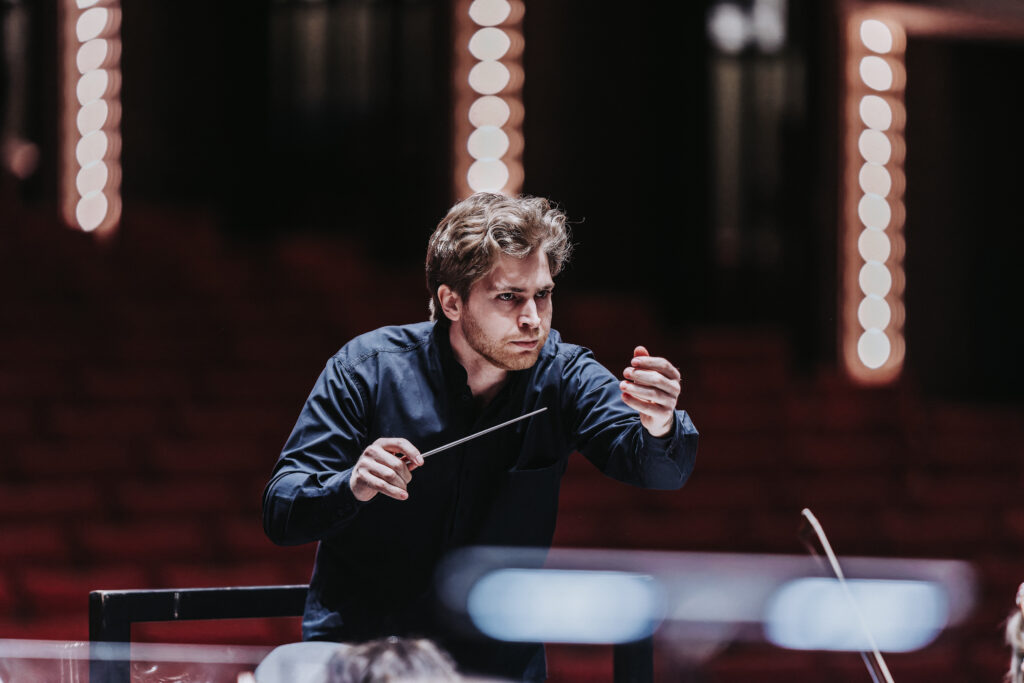
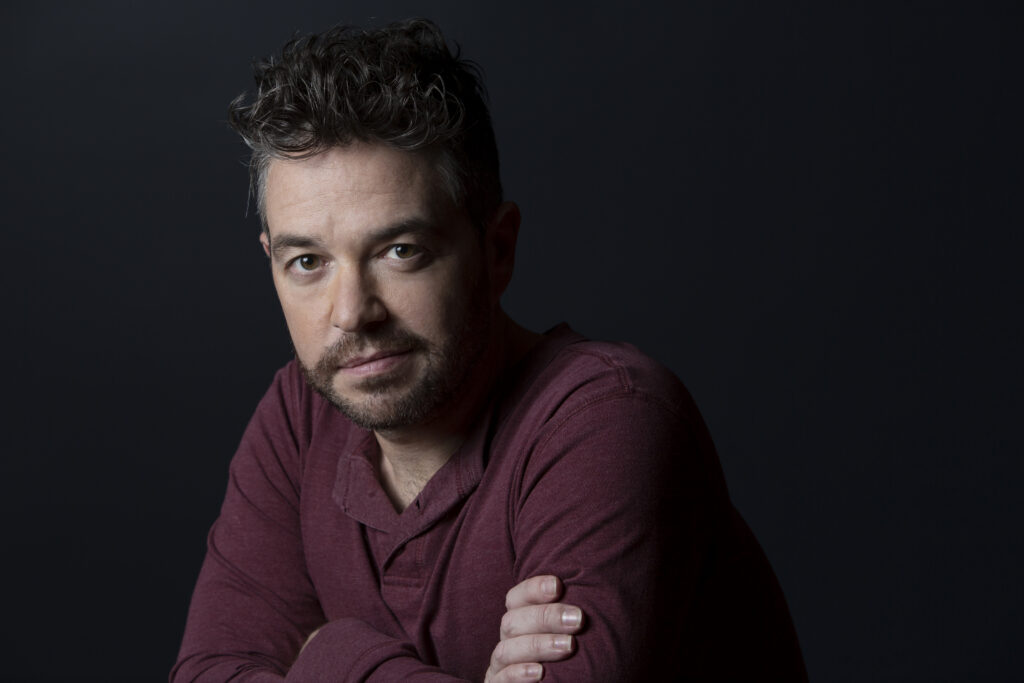
 Photography: Geoffroy Schied
 Unfortunately, there isn’t a Shostakovich trumpet concerto, only a piano concerto with a sort of trumpet obligato, so the Weinberg is the closest thing we have. Weinberg was a Polish Jew who had to flee Poland in 1939. Shostakovich was a real champion of his music and invited him to come to Moscow and live there. It’s a very difficult piece. He likes to take trumpet quotations from other composers and puts them all together in this monumental cadenza at the opening of the third movement and twists and turns them into something dark and scary.
I’d love to keep on doing what I’m doing, and the dream is always to travel around playing in amazing concert halls with amazing orchestras and amazing chamber music partners and to play the music I really love.