Nicholas Collon is a conductor and founder of the London-based Aurora Orchestra and chief conductor of the Finnish Radio Symphony Orchestra.
Stories: The orchestra giving the concert experience a unique twist
Share: 


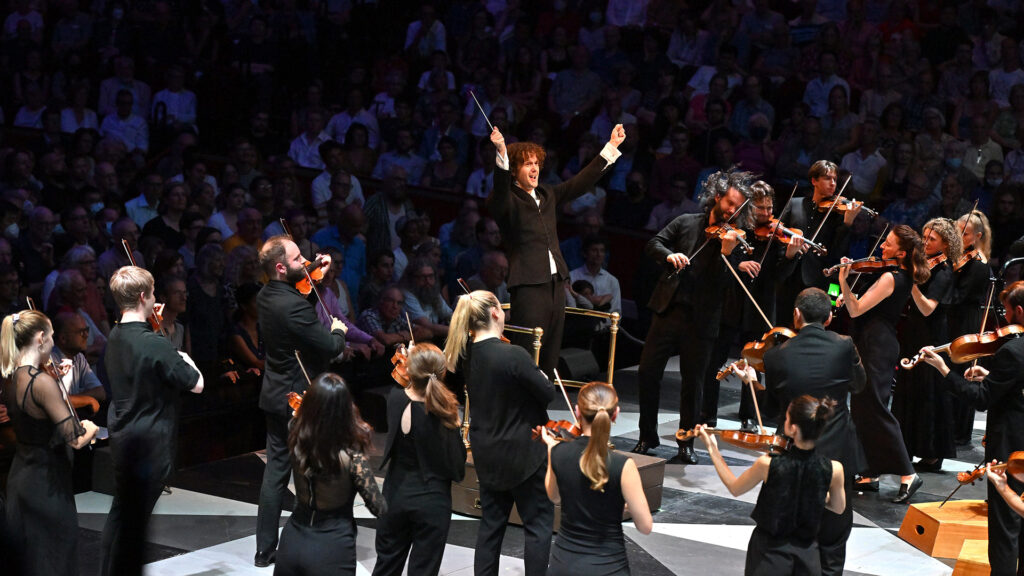
When we first had the idea of setting up an orchestra in 2004, we didn’t really have much of an ethos in mind other than to bring players of our generation together and to enjoy their virtuosity. We were all in our early 20s and knew each other from music college, the National Youth Orchestra, or university. Since then, what became increasingly important to us was to find ways to make the concert experience as thrilling and emotionally heightened for the audience as it is for the players. Each thing we do is an event where we try and move away from the essential routineness that can fall into music-making. With Aurora, we give ourselves time to go into something in more detail. That can be through memorizing a piece, which allows us to think about its visual presentation in a theatrical or dramatic way, or as a collaboration with other artists.
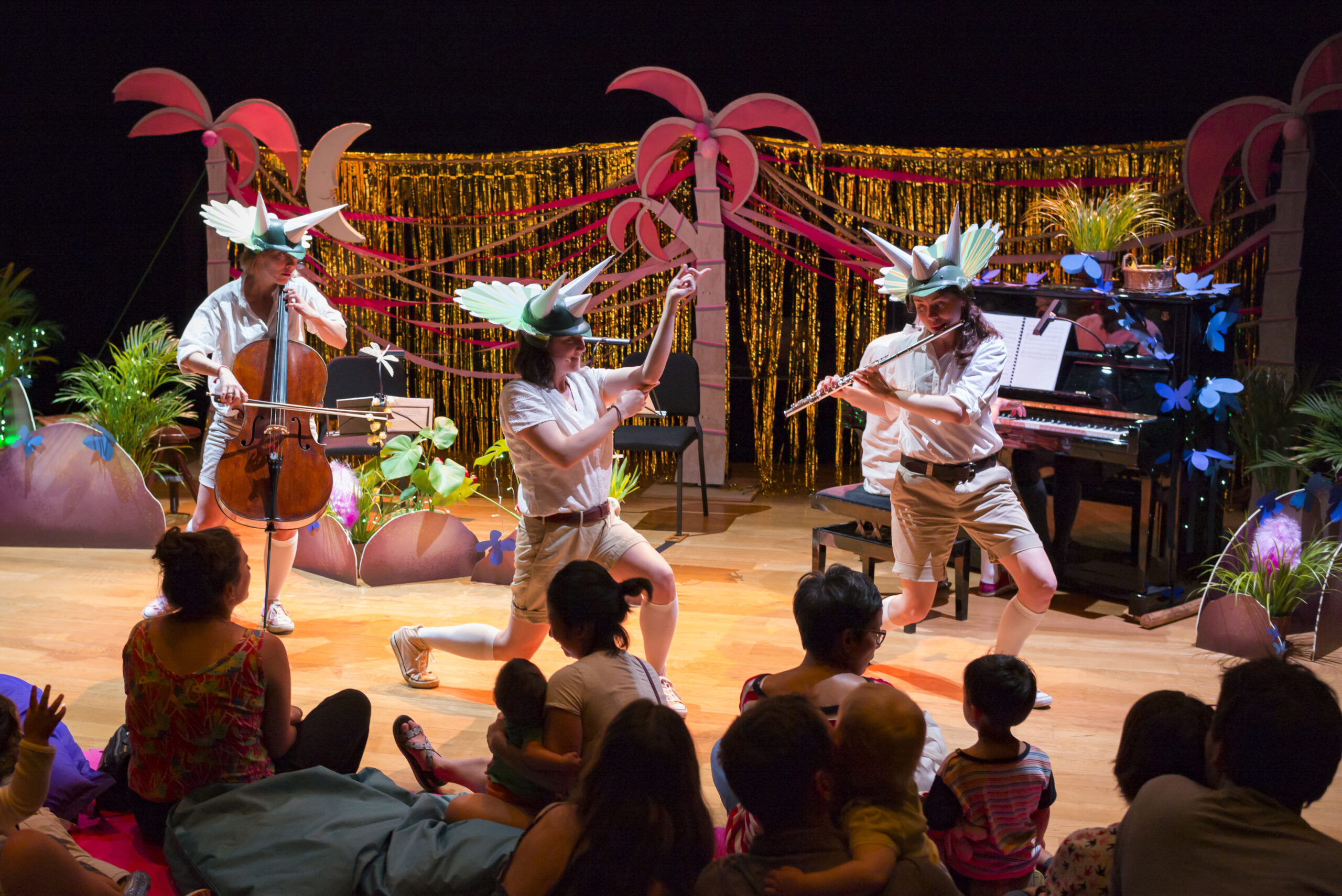 Beethoven and the Dinosaurs. Photography: Nick Rutter
 We started playing things from memory after we did a BBC Prom in 2014. It was a work by Benedict Mason, which needed the orchestra to be spatially separated around the Royal Albert Hall. We had to play these little cells of music from memory using a click track. After that we thought we’d try doing something a bit longer, like a Mozart symphony. It was scary at first, that feeling of not knowing if it was possible. I mean, I’d been to a concert a couple of weeks before and the piano soloist had taken a wrong turn in a Mozart cadenza. I thought, well if this can happen to a pianist who has played the piece many times, what chance has an orchestra got?! I really didn’t think it was going to work and some players needed some persuading, so we gave ourselves slightly more rehearsal time. I actually sent round an email in a panic with suggestions about the structure and detailed analysis and, apparently, absolutely no one opened it. The musicians just went away and learned the music on their own. Anyway, in the end the performance was remarkably secure. It would probably have been quite hard to achieve something like that with a full-time contracted orchestra because, of course, all you need is for someone to say, ‘I’m not doing that’, and you’re sunk. Aurora, on the other hand, is project-based, so when we book players we can say, ‘Would you like to try this?’ and if they say no, that’s fine.
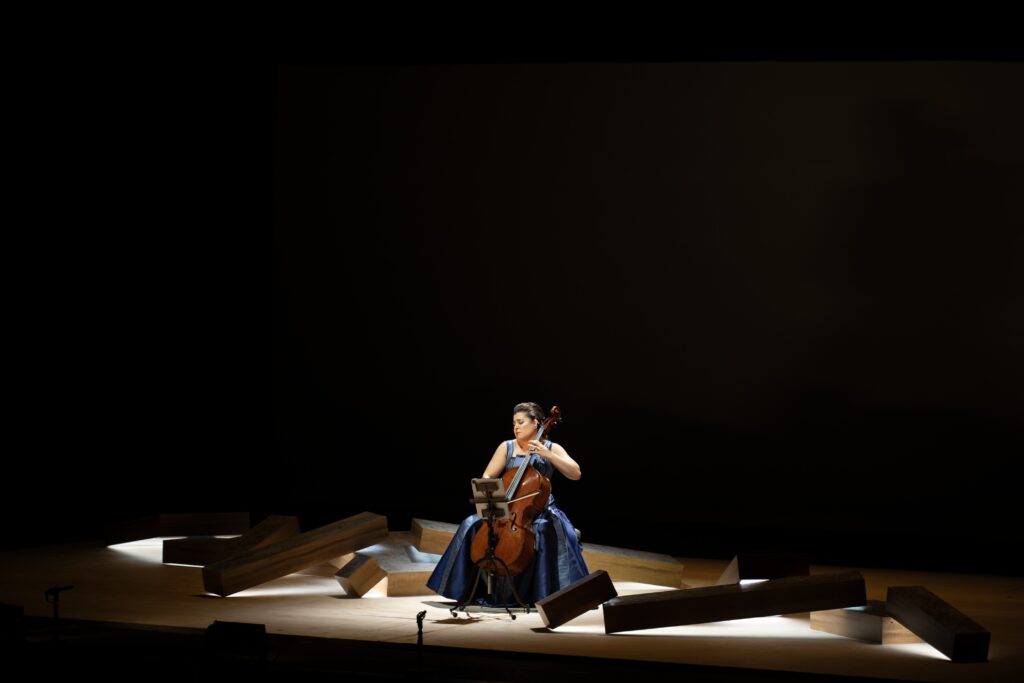
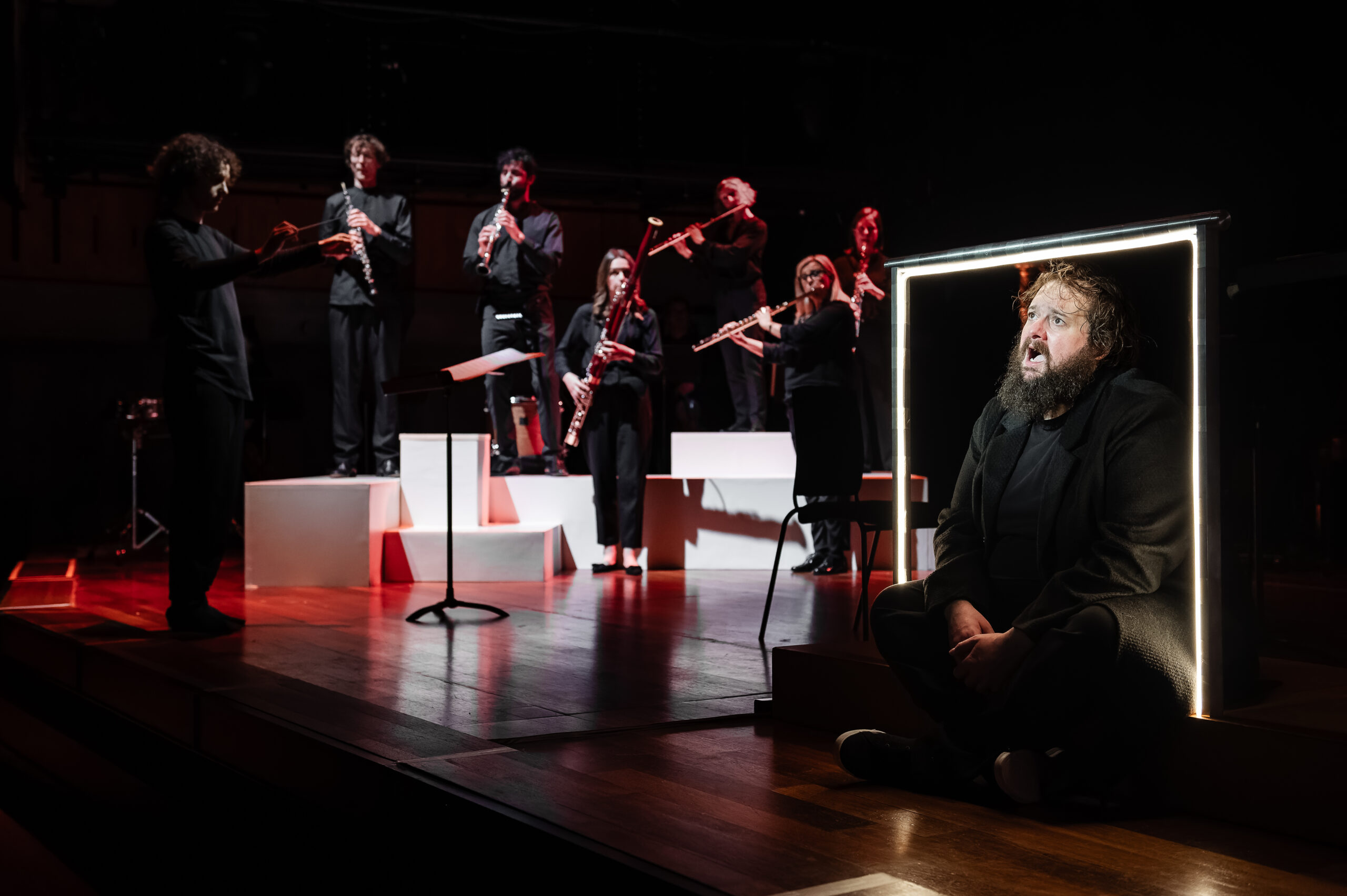 Hans Zender with Allan Clayton, 2024 Photography: Julian Guidera
 When we memorize something, it enables us to play with a bit more freedom, which has allowed us try new things like immersing an audience inside the orchestra. It’s what we’ve done in large venues like the Printworks nightclub, or a warehouse like Drumsheds. We wanted the audience to walk around as we played, so we had to space ourselves out – the double basses were about 100 meters away from the timpani. It’s incredibly hard to keep together over a big geographical footprint. But one of the features of the memorization is that the orchestra knows how to play together so well, they can look up and follow anything within those very hairy, challenging moments.
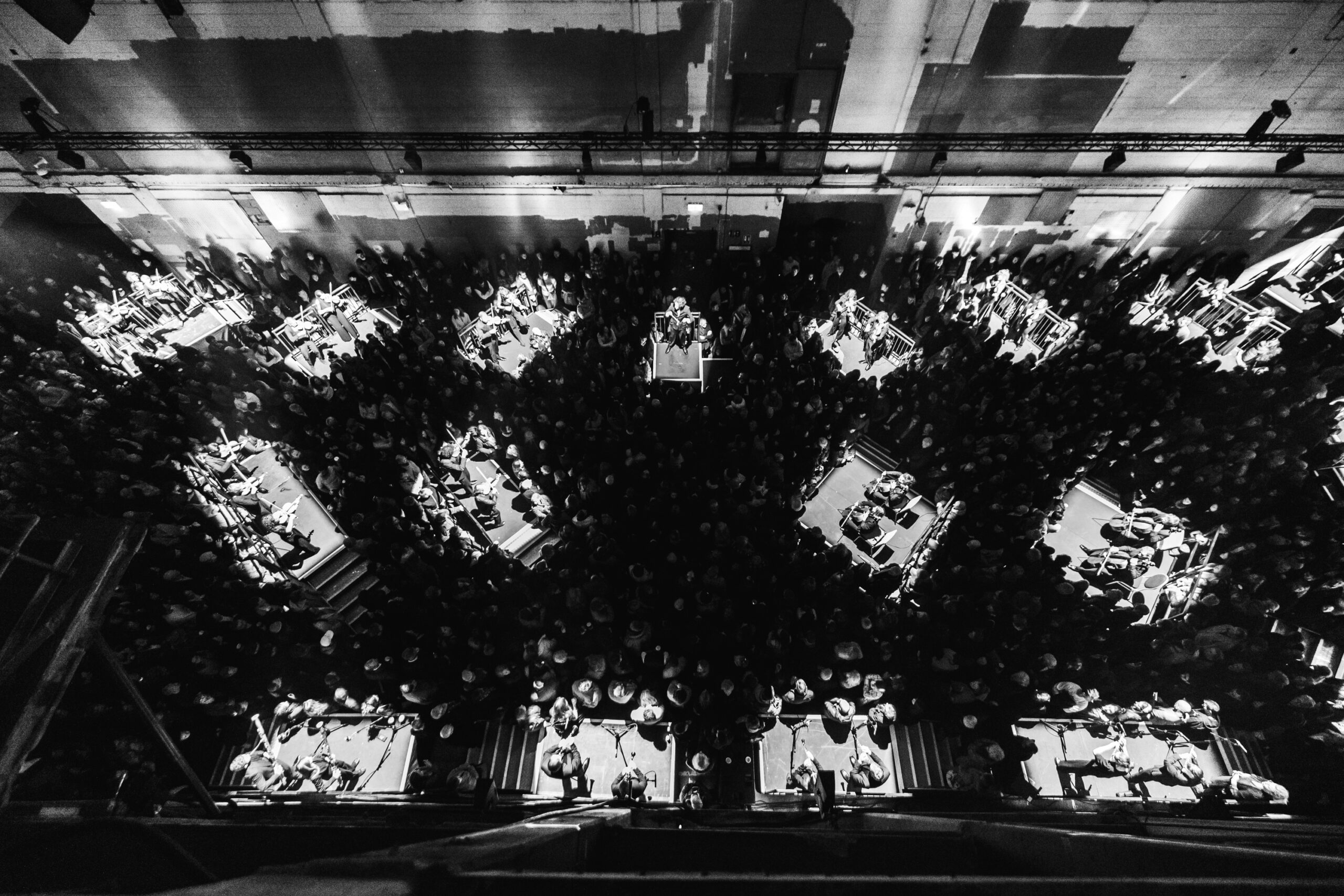 Beethoven Five at Printworks in March 2023 . Photography: Jake Davis
 “When we memorize something, it enables us to play with a bit more freedom, which has allowed us try new things like immersing an audience inside the orchestra.”
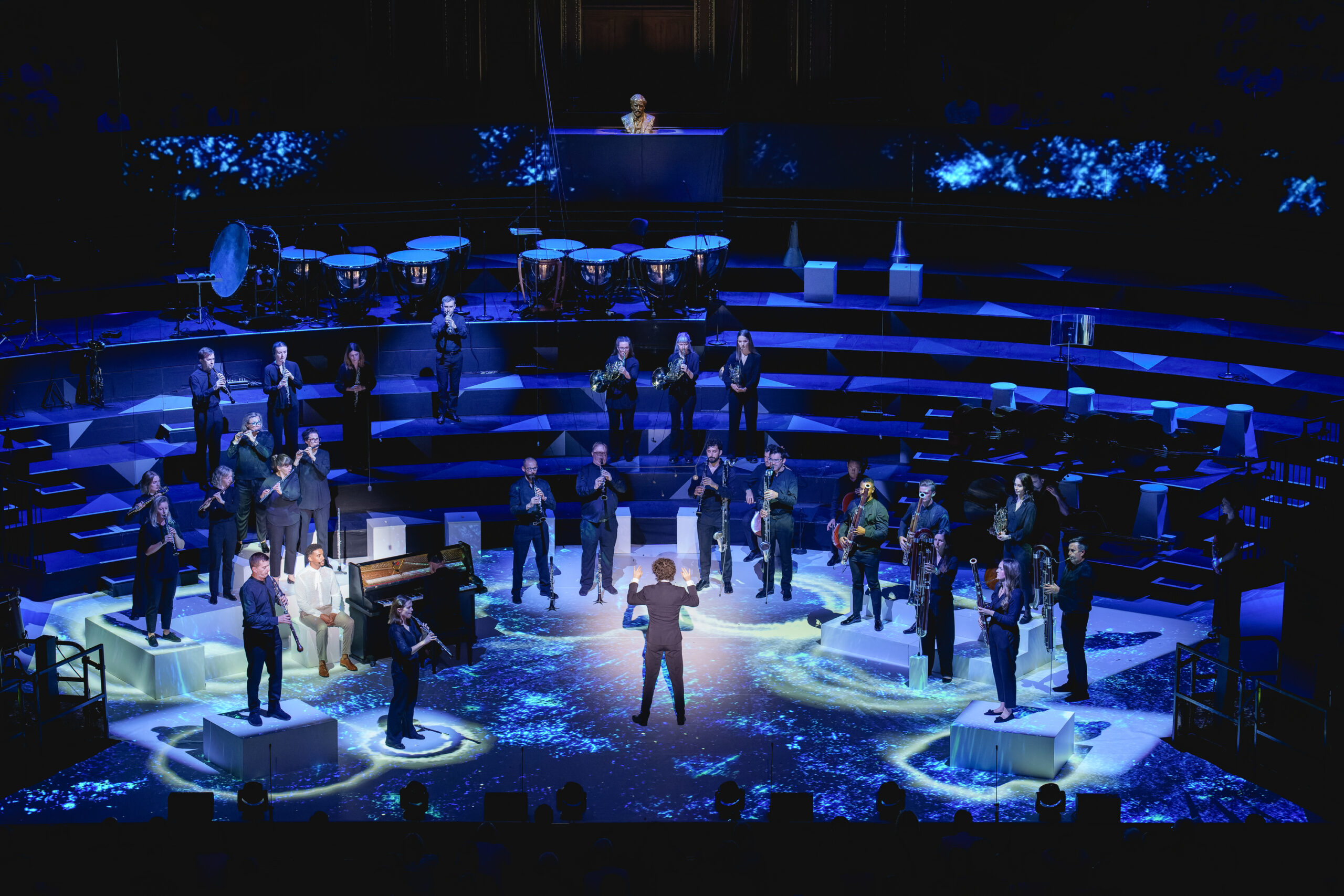 The Rite of Spring at the BBC Proms 2023. Photography: Andy Paradise
 There have been other groups that have played little bits from memory nearly as long as we have. I guess we’ve done things at a larger scale, for example what we do at the BBC Proms is totally unique, like memorizing The Rite of Spring. In the first half, we give the music some historical and social context, with the orchestra demonstrating with excerpts. I don’t know anyone who does it quite that way. Last year we did Beethoven’s 9th Symphony. It pushed the players quite near their limit, but you know, we did it. It’s very long – thousands of notes, it’s probably harder than The Rite of Spring. If you look at the violin parts, there’s five times as much on the page.
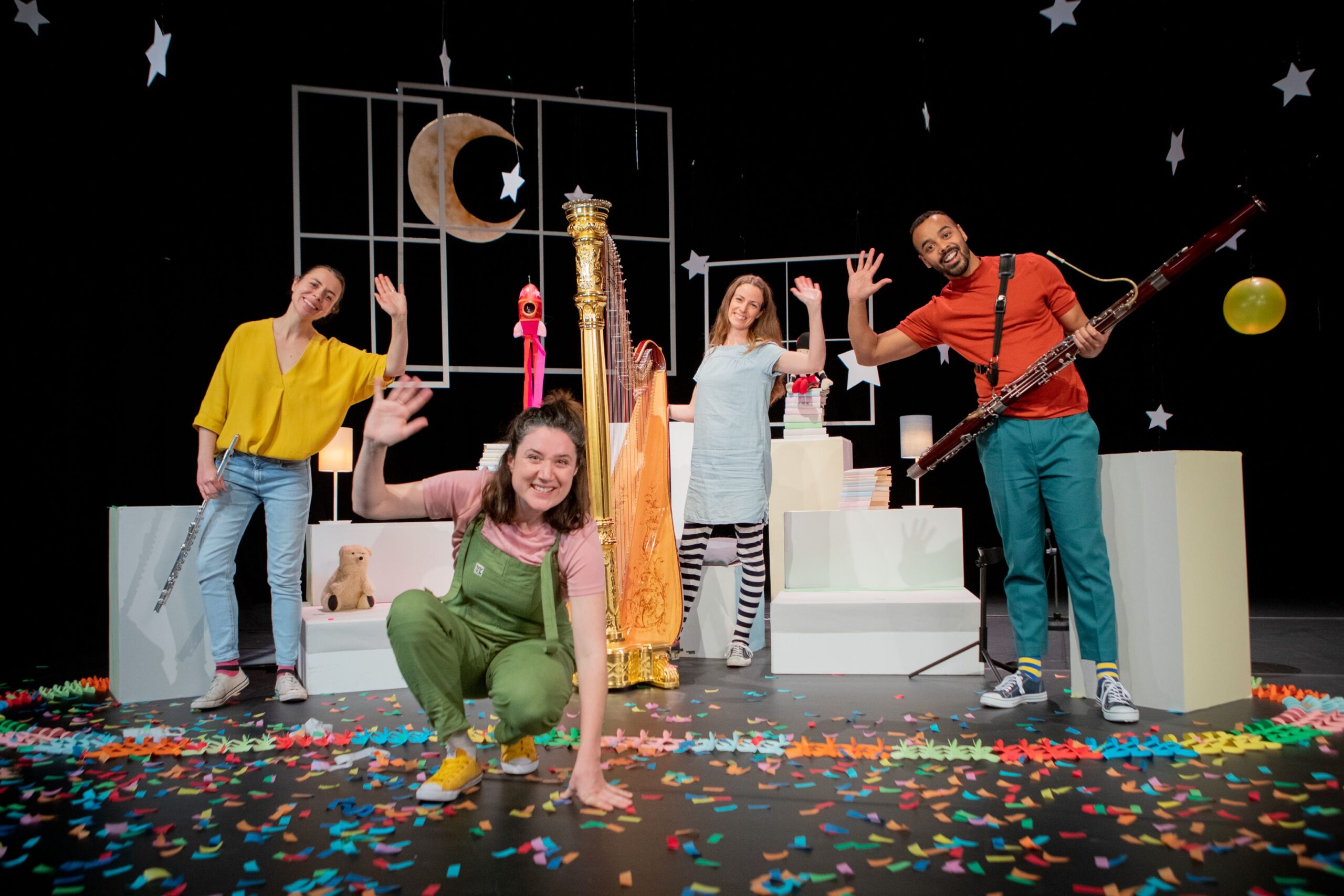 The Magical Toy Box on Aurora Classroom. Photography: Stanton Media
 It’s generally humbling to know we’ve brought audiences together with something a bit unique. Whatever we do, we try not to subvert the power and sanctity of the music. We’ve got that wrong sometimes, and you learn from that. If you’re trying to push your boundaries a bit, that might happen.