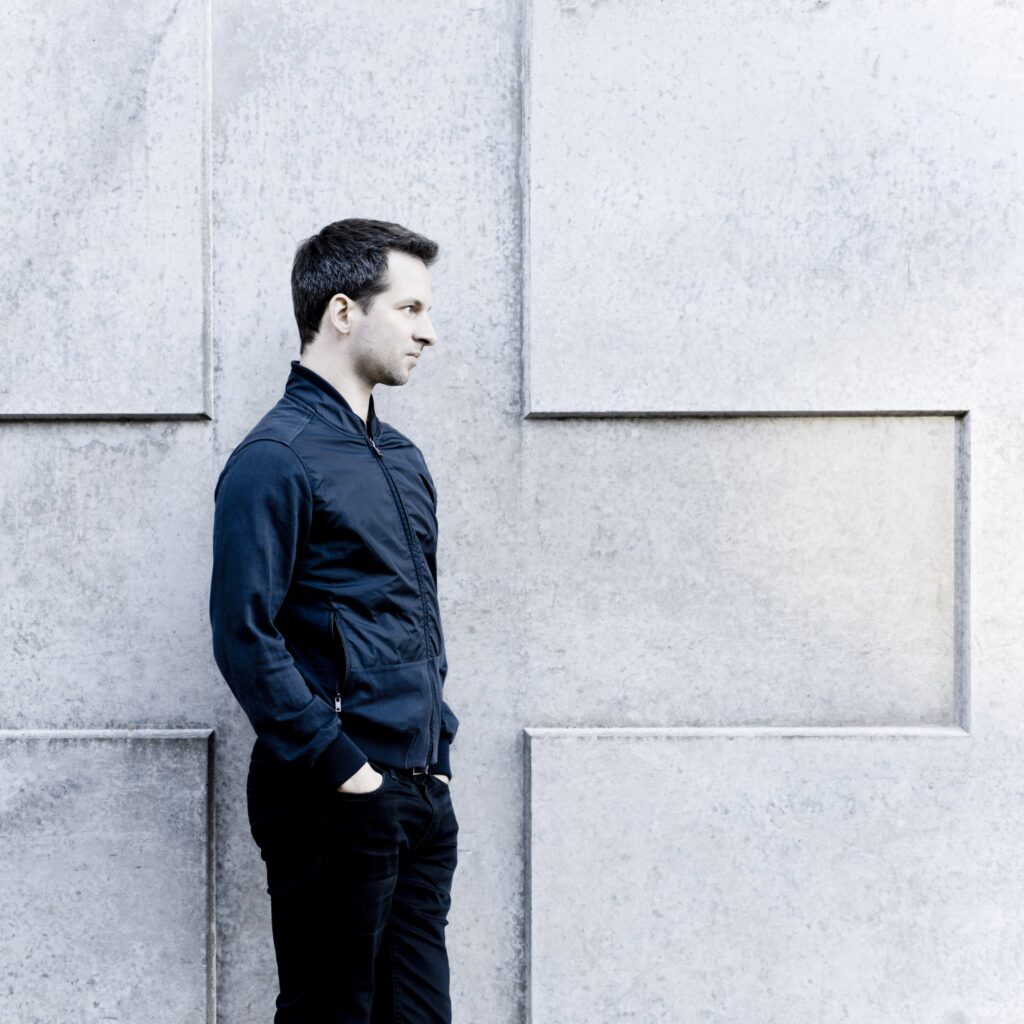
Mathis Rochat is a Swiss-French violist.
Favorites: Mathis Rochat
Share: 


I first discovered my love for Gabriel Fauré in Prussia Cove, a tiny hidden estate on the very tip of England’s coast. There you’ll find the International Musicians Seminar. Founded in 1972, it runs two incredible seminars a year, including master classes on the violin, viola, cello, and piano.
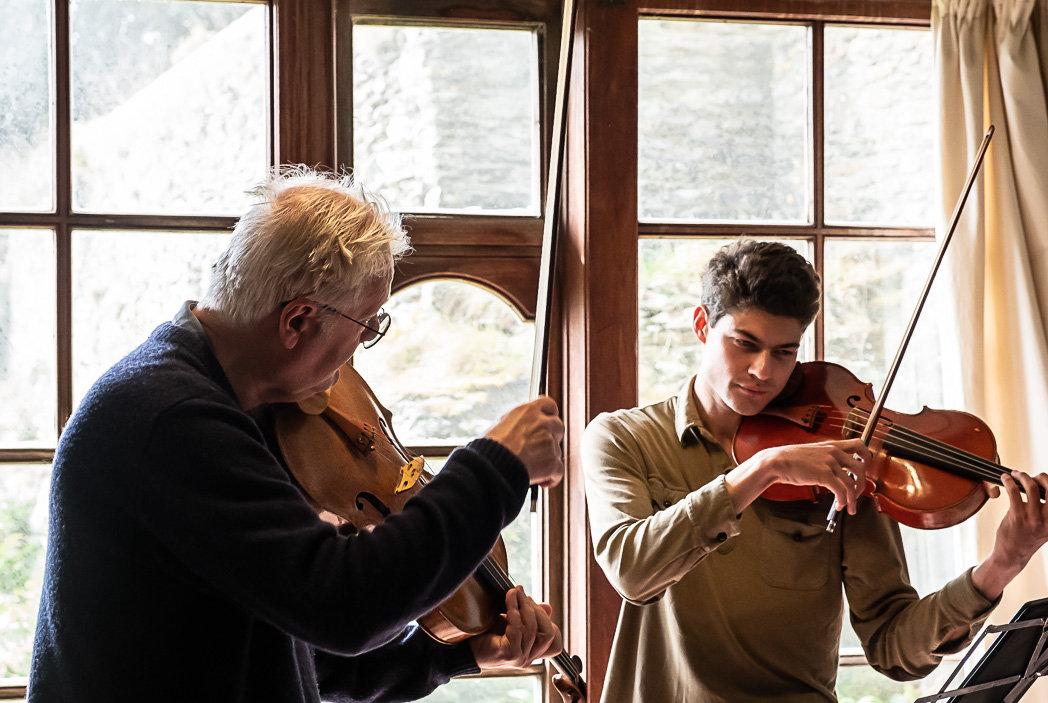 IMS, Prussia Cove 2022. Photography: CLIVE BARDA/ArenaPAL
 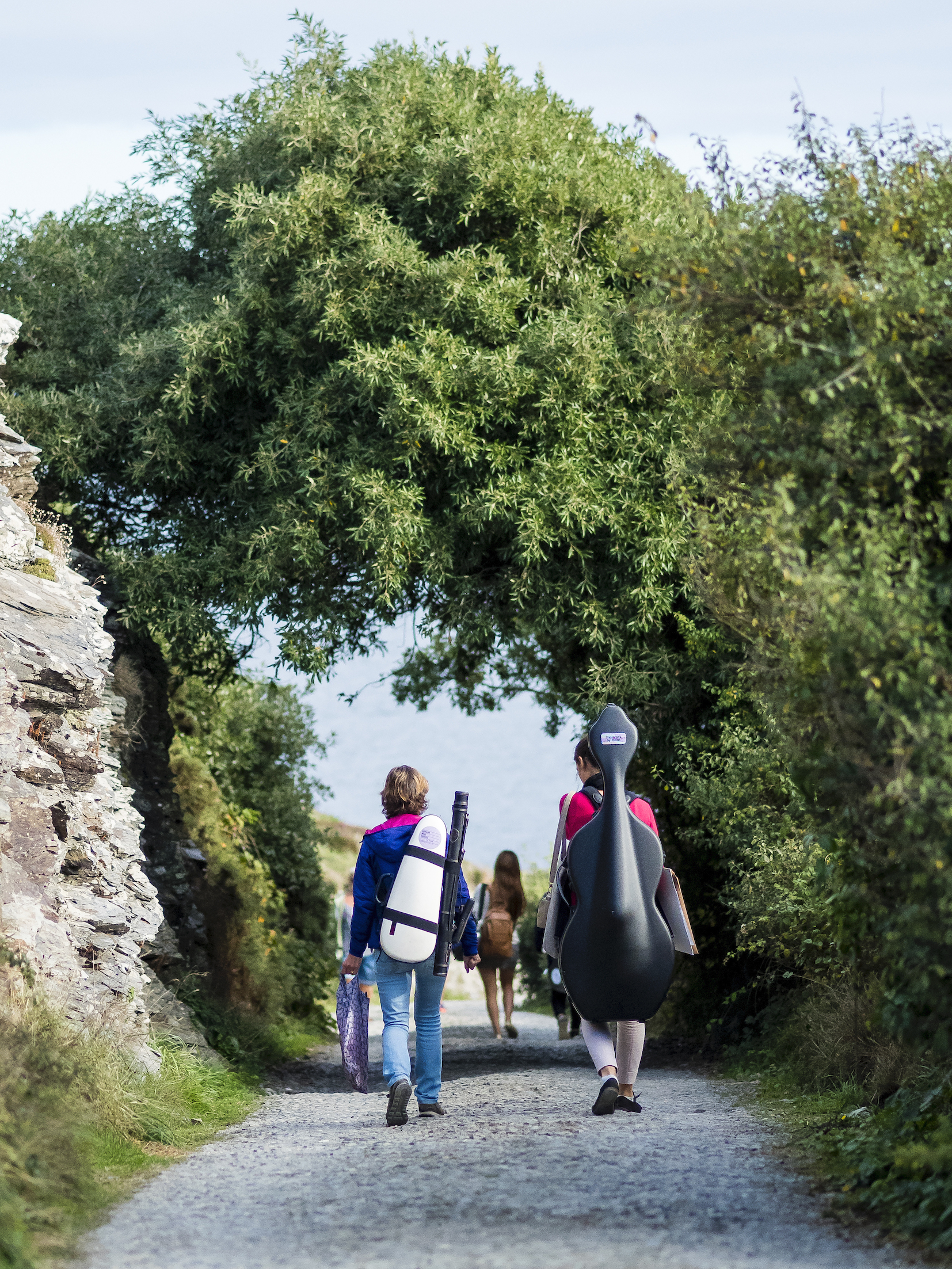 IMS, Prussia Cove 2022
 The artistic director and class leader is the famous cellist Steven Isserlis. When I attended, he was teaching the Sonata No.2 (Fauré) for cello and piano. Usually, teachers don’t play a whole piece while they teach but, somehow, he played it the whole way through. It’s clearly a piece that’s very dear to him and I could feel the strong emotional and personal connection he had to it, especially performing it in a place so familiar to him. It was a very touching moment.
From that point on I became fascinated with Fauré, growing to deeply admire his work. Five years ago, I attended a concert in Brussels where I had the opportunity to play one of his pieces. Taking place at Flagey, a popular Art Deco culture house in the city, it was the ideal setting.
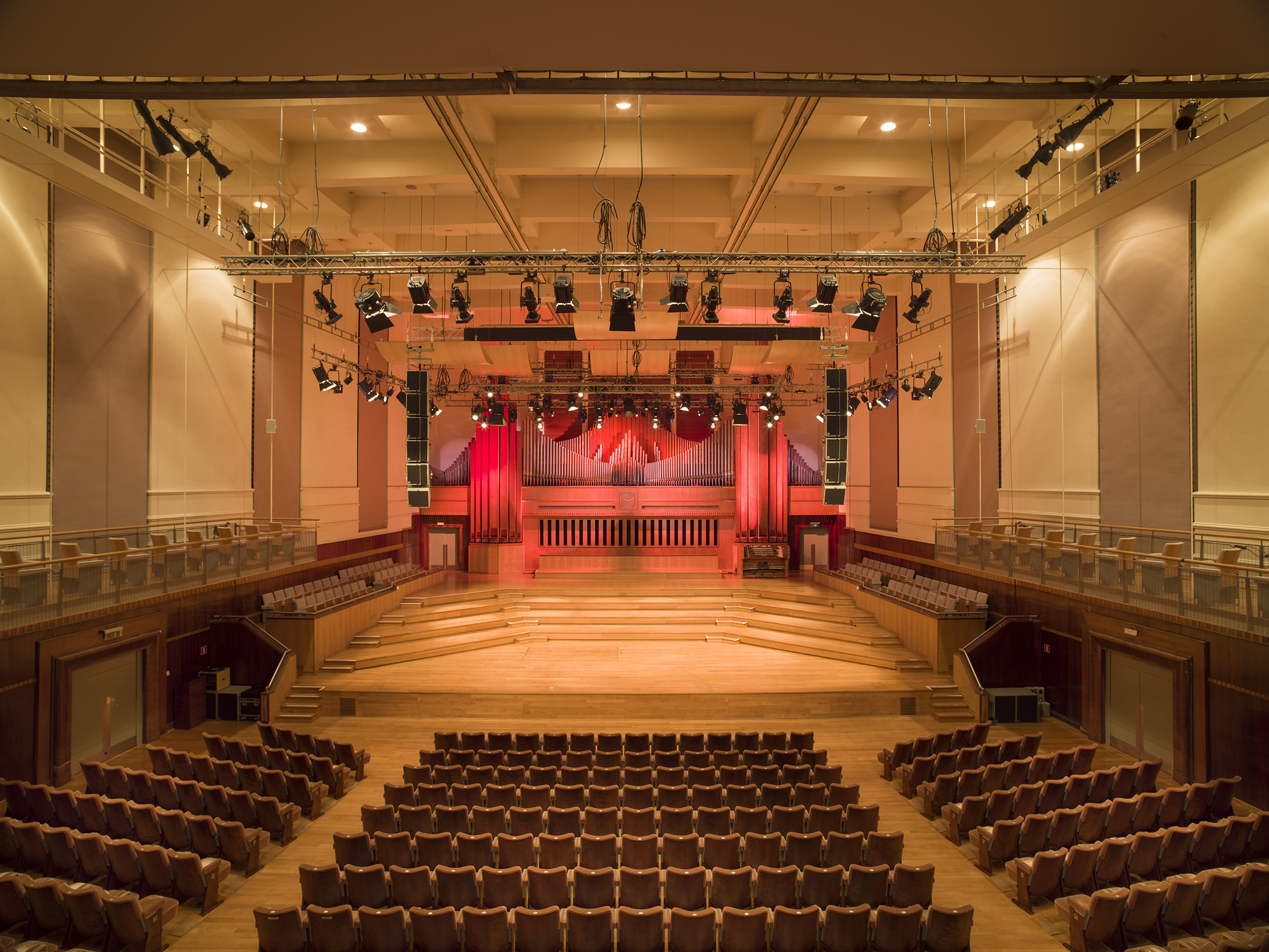 Flagey Studio 4. Architect: Joseph Diongre & Philippe SAMYN and PARTNERS. Photographer: Johan Jacobs
 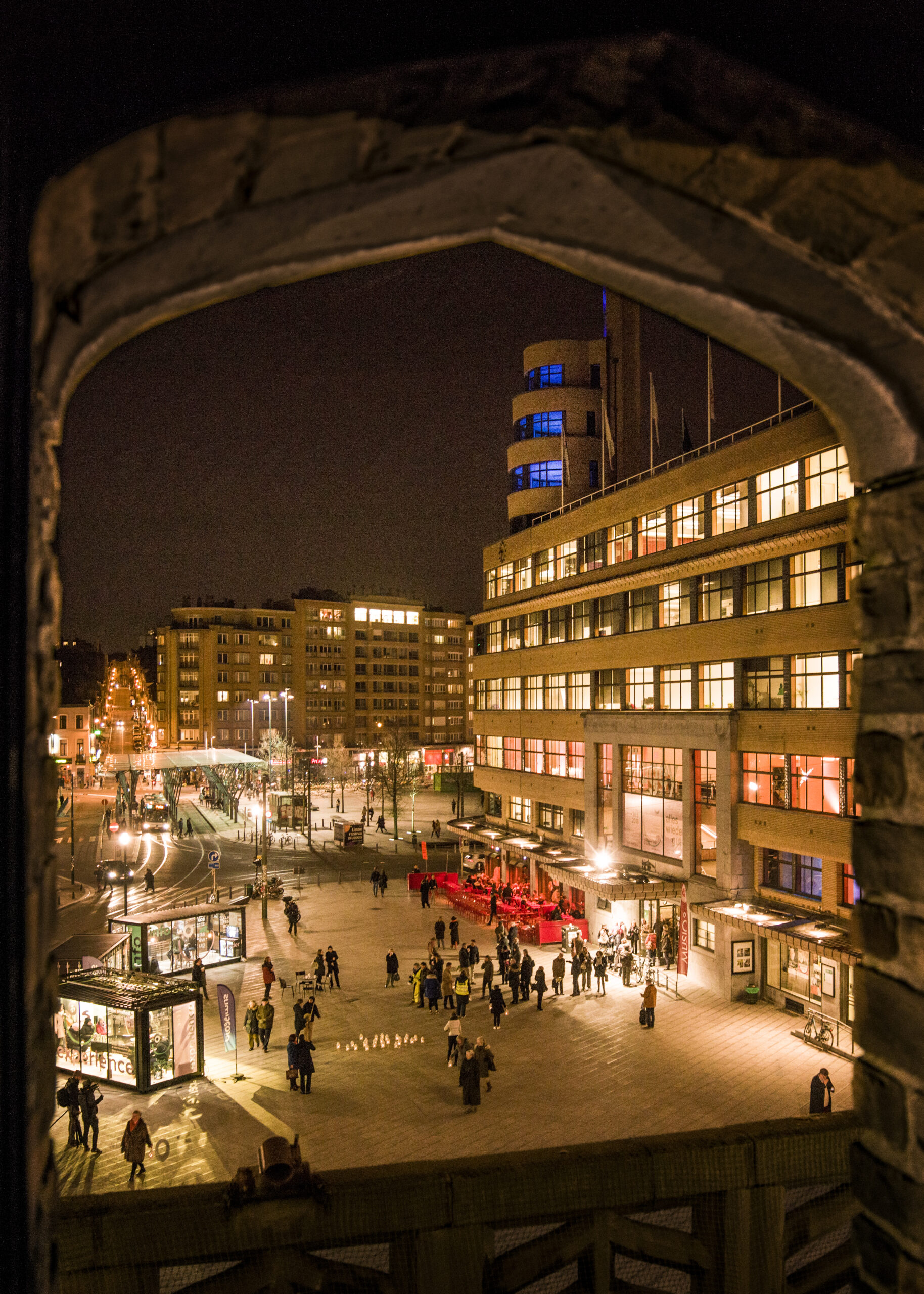 Exterior of Flagey. Credits on previous image.
 I performed his Requiem, which is without doubt one of my favorite pieces. There are several reasons for this and several features that make it different to any other classical Baroque composition. Firstly, when you write a requiem you’re thinking about your time off stage, off Earth. Yet this piece contains none of the anxiety or distress one tends to associate with thinking about death. Instead, he manages to transport us into something truly heavenly. True to tradition, it’s a piece often performed in a church by a choir. However, there are no distinct links to religion and nearly all references to the last judgement are cut out. Instead, it’s through his harmonies and unique musical language that you feel this extreme sense of being at peace.
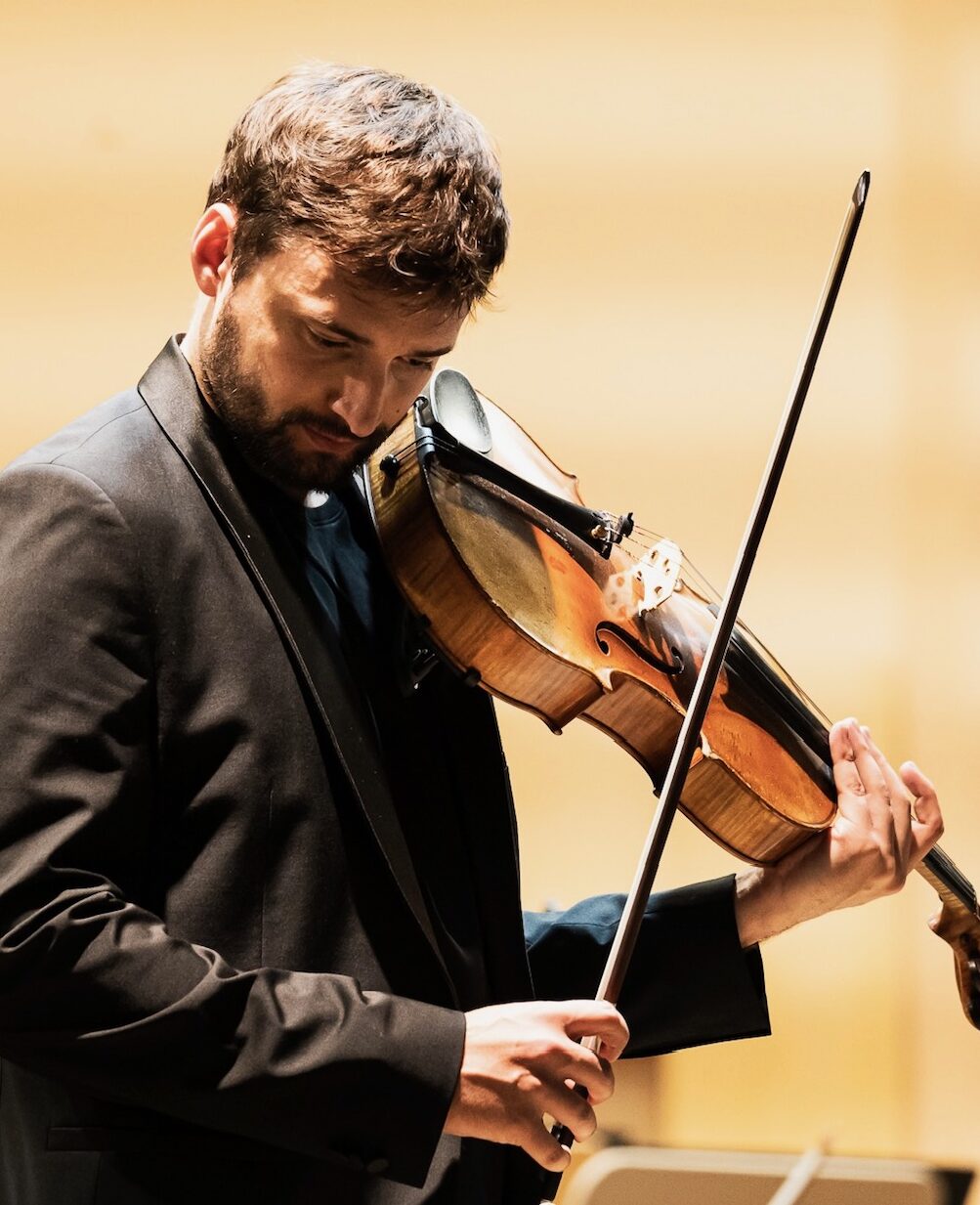
Plus, at the risk of sounding self-serving, it is enjoyable for me to play. Unlike other requiems, it favors the viola, leaving out the violin section for large passages. So, I had a big leading part, taking the concert master position.
There’s also a real sense of French flair. I remember having these vivid smells of lavender and the South of France, there’s just something extremely warm about it. It’s one of those special Fauré pieces that engages all your senses in such a profound way. I have a beautiful memory of performing it.
One hundred years on, Fauré’s music remains a testament to the enduring power of true artistry.