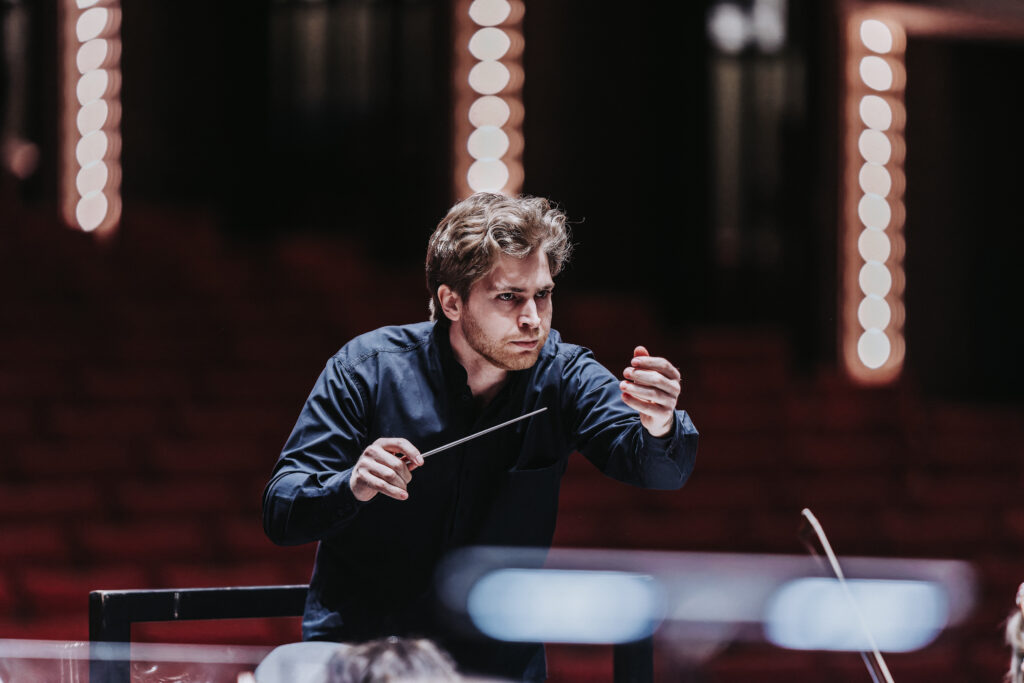
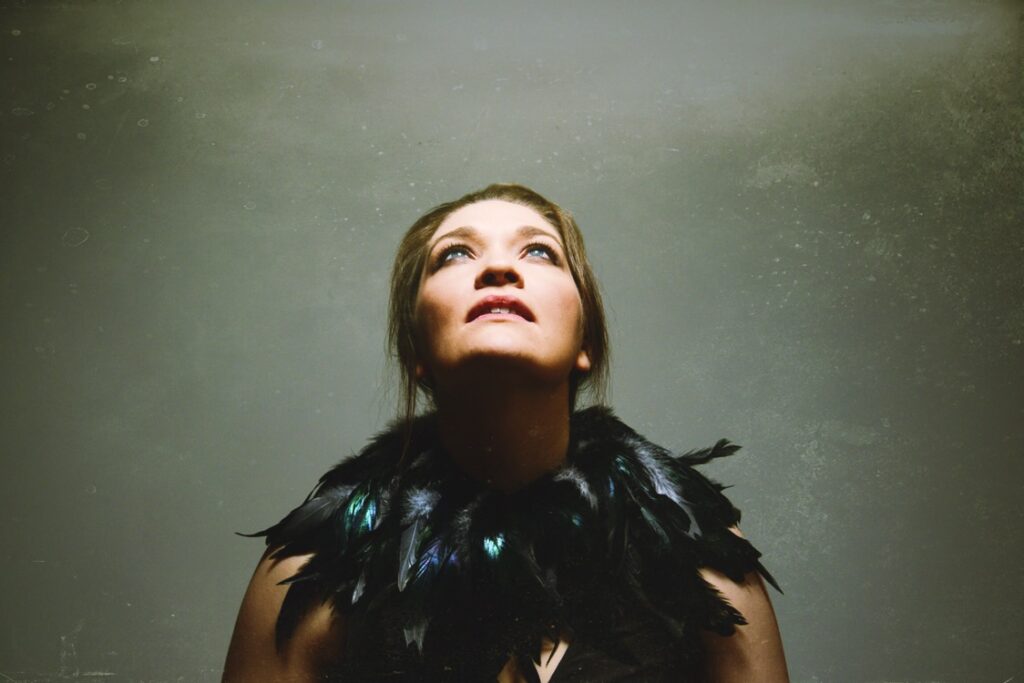
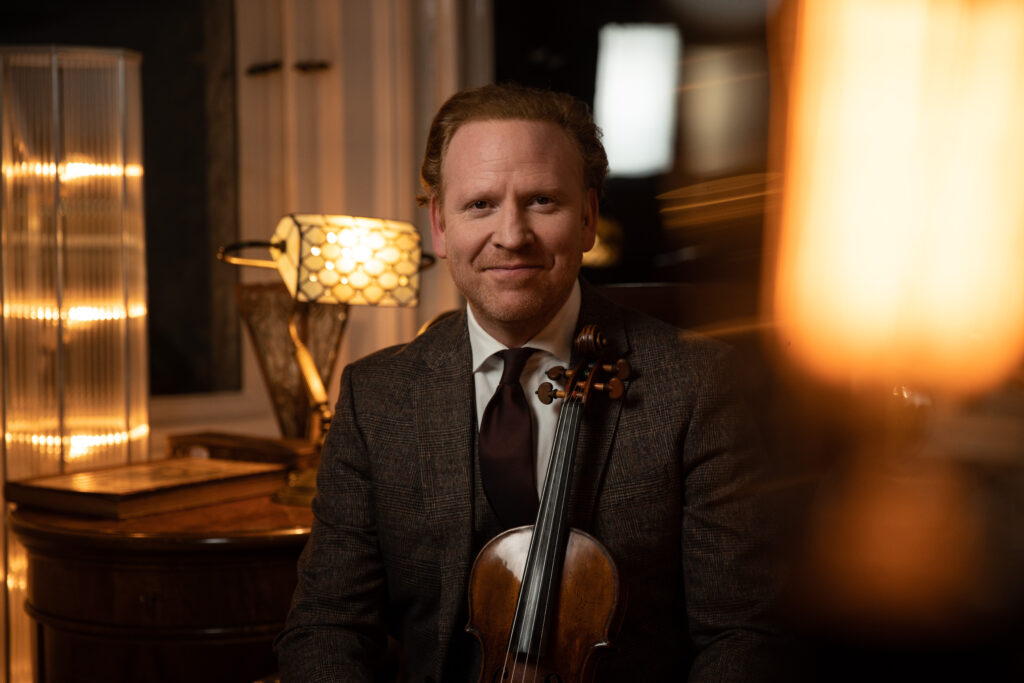
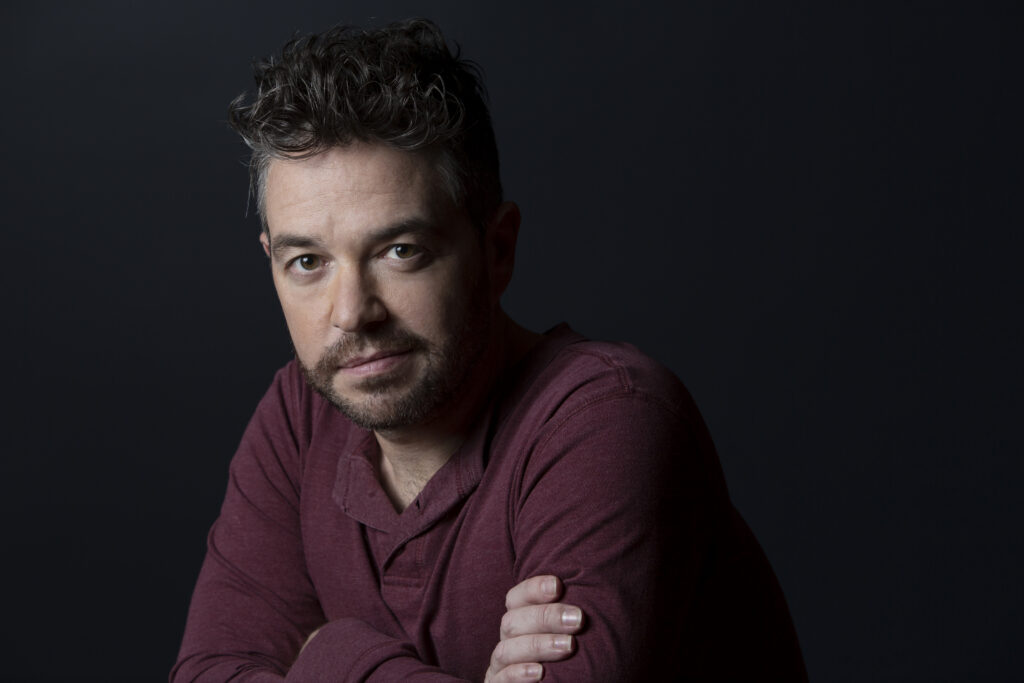
Lara Downes is an American classical pianist and cultural activist.
Origins: Lara Downes
Share: 


My first encounter with music was as a toddler in some early childhood music class. I was maybe two years old. I remember that the room was full of instruments, but it was the piano that captivated me. I have this really strong memory of sitting at the piano with the teacher, mesmerized as she showed me how it worked. And there was this little boy who was not mesmerized, so he was crawling around under the piano, and she had to get up to – you know – deal with him. And I remember being so surprised and confused about why anybody would not want to be sitting there exploring this thing that was just magical. Honestly, I have very fragmented childhood memories, but this one is crystal clear. And I think technically it should be before the memory curtain, so I don’t even understand how it’s so perfectly intact.
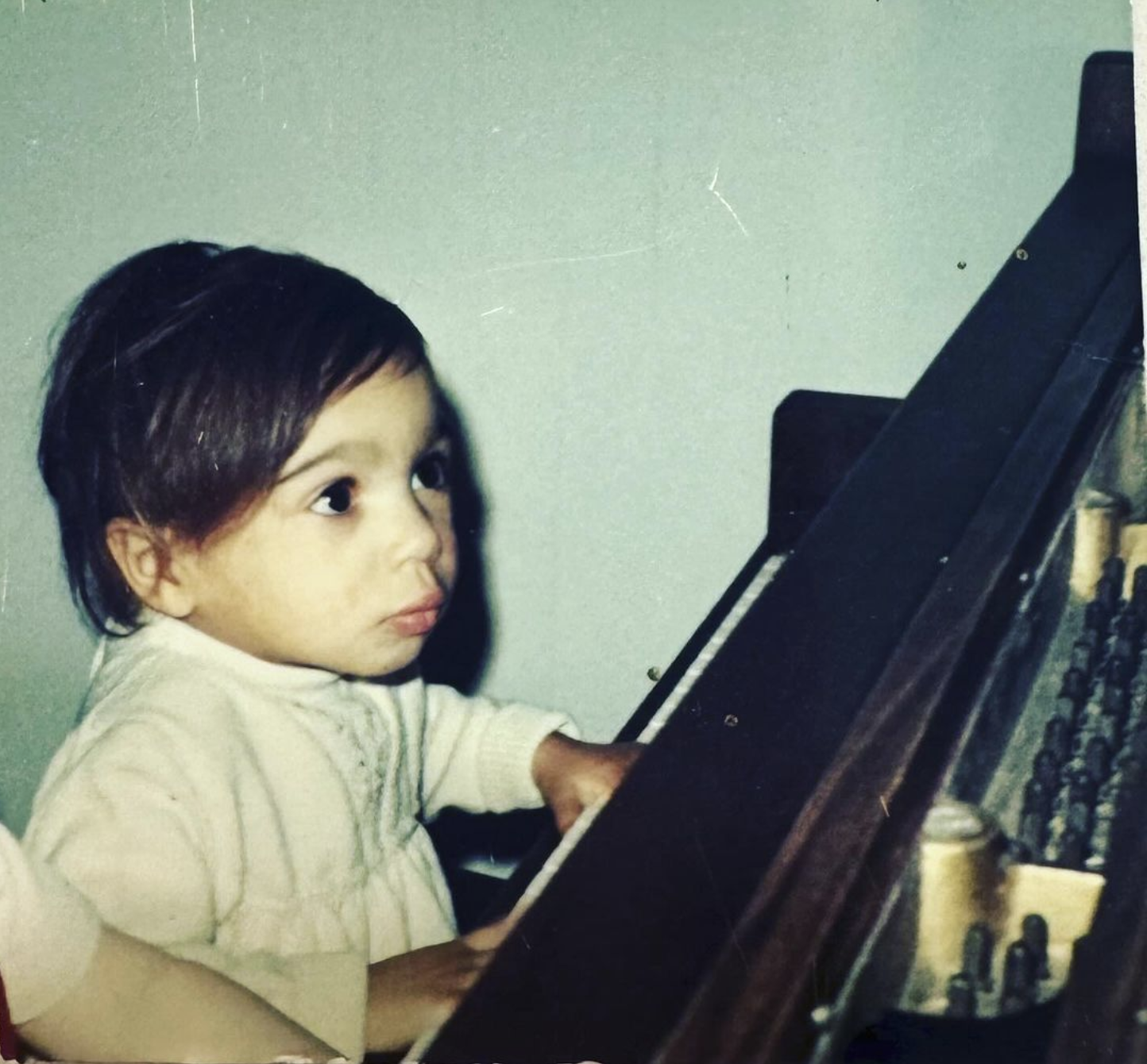
I guess that the teacher in that class probably said something to my mom about my interest and aptitude, because piano lessons started very early. I was taking lessons by the time I was four at the San Francisco Conservatory of Music. I was very lucky because a teacher had just joined the preparatory department there who had a pretty innovative approach to working with very young kids who showed early talent. I never learned from any of the conventional beginner method books. It was just dig right in, learn to read the notes and then learn to play actual music that uses them. It’s funny because when I look back, I realize that her approach was also very much a storytelling approach, which is interesting, because that’s certainly what I’ve circled back to myself as an artist. I remember so well learning Bartók’s little children’s pieces, and she would tell me about the folk songs that they were based on, which gave me this very clear picture of the world that the music was coming from, and that really formed my first relationship with, and understanding of, music.
Neither of my parents were musicians, but my dad loved music a lot. I always wonder if he might have been a musician, if he’d had the opportunity. He was always listening to music, and I’d sit with him on the big Eames chair in our living room and listen to records. It was a mix of classical – he loved Glenn Gould’s Bach! – and a lot of jazz – Ellington, Coltrane, Lady Day… That was the soundtrack of my early childhood.
My childhood was pretty weird. I was reading very early on, and I kind of got ahead of myself in terms of learning things, so it was unclear how to get me started in school. My parents decided to homeschool me and my two younger sisters, and since we all started our instruments very early, there was music all the time at home. It was really the heartbeat of our household – there were three pianos in our house! And also, music was kind of the only thing that took us out of the family and into the world: music classes, music lessons, little chamber ensembles, and youth orchestra later on. So for us, music was not what it is, I think, for a lot of kids, a secondary thing that you do after school and after everything else. It was the primary thing.
My dad got sick when I was about five, and things were really hard at home. Music then also became my safe space, the constant thing in a very chaotic environment. You could surround yourself with something that you loved and that kept you safe and immersed and protected from the rest of what was going on.
Piano was always a sort of natural language for me. It’s funny, I have a couple of pictures from when I was maybe five or six, and my hand position is so perfectly natural from the beginning! I was a freakishly good sight reader, so I learned very fast – sometimes too fast. The challenge was to slow down and focus on details. I’ve encountered this problem now with young kids who are really gifted in that way. That facility, that ease, can also become a disability when you don’t have a motivation to slow down and think about details, and you just want to move on to the next thing.
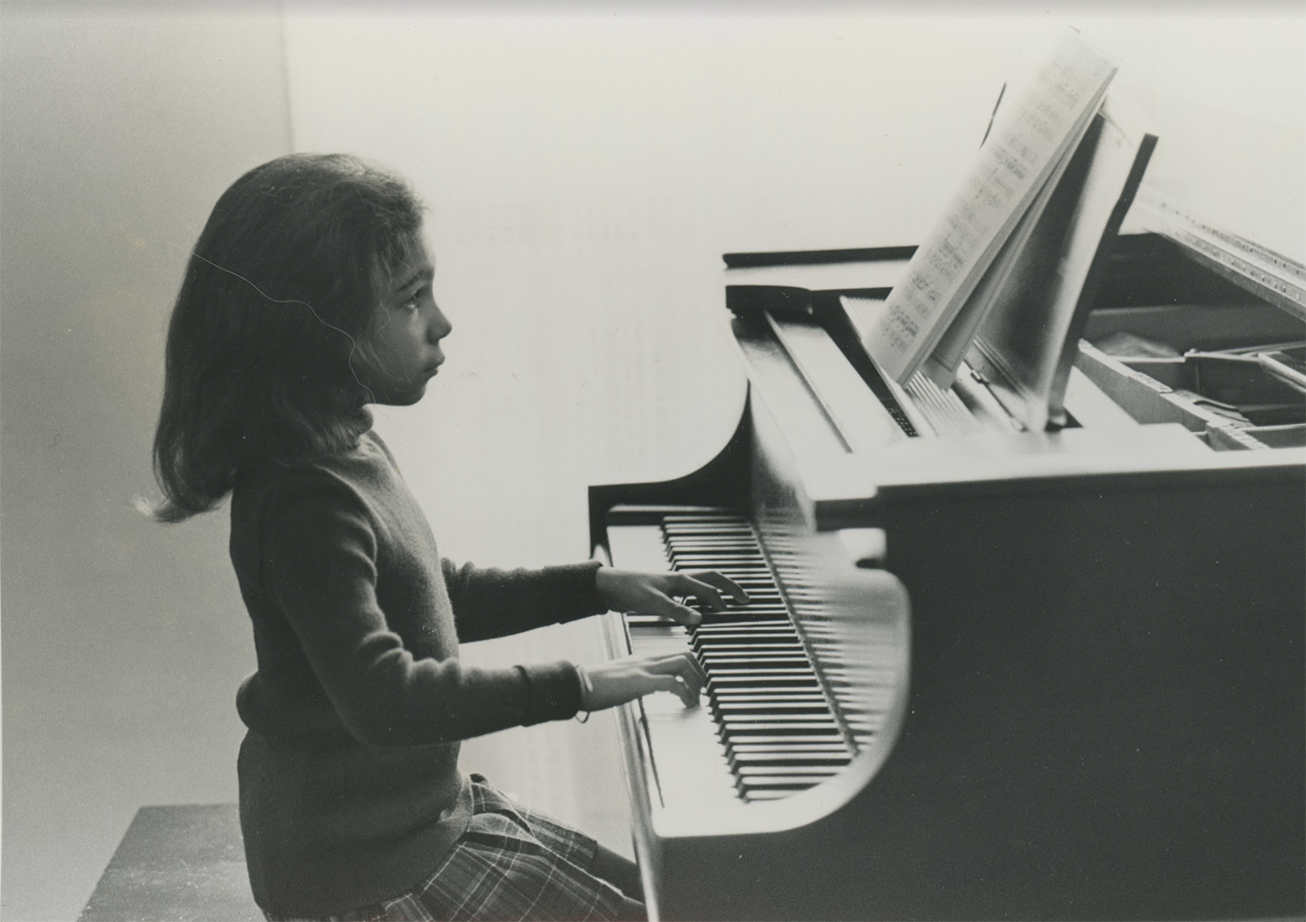
I had quite a few teachers, actually, between the ages of four and about 14. At a certain point, I studied with Adolph Baller, who was an Austrian pianist – a brilliant artist who had been Menuhin’s chamber music partner for many years. He was maybe not the ideal teacher for a 10-year-old – he was generally teaching college/conservatory-age students. I’m not sure he had the patience for such a young kid, but he did always give me these delicious Viennese cookies when I played well at my lesson. Baller was a Holocaust survivor; he’d been through terrible traumas. And it was an important, formative thing for me to receive his story and to understand the importance of music as a lifeline, something that you can keep with you, hold onto even, when the world falls apart. I might not have learned a lot of technique from him, but I did learn some profound lessons about perspective, and the way that you hold music in a place of importance and reverence in your life.
The thought of giving up music never crossed my mind. At one point, I thought I would like to be an archeologist. And then I also thought it would be interesting to be an actress, but it never came down to thinking I would stop playing piano. I eventually realized that there were elements of those other pursuits that I could enact in my music. I have become sort of a musical archeologist, a digger and scholar in my music-making. And as far as being an actress – I think that illustrating emotion and embodying character is definitely something that we do in music, too.
My dad died when I was nine, and then it was just the four of us. Our homeschooling was quite eclectic. There was more likely to be ancient Greek than algebra. I did a lot of self-teaching. In our house we had this long hallway that was floor-to-ceiling bookshelves, so I was always reading – everything from Dickens and Tolstoy to books about Kabbalah and who knows what. I would just swallow books whole. There was a constant influx of knowledge, but not in any very organized way. One of the things that my mom prioritized was languages. And at a certain point, since we had been taking French lessons, my mom thought it would be fun to go to Paris for a year and study with teachers, study music, and polish up our French. So we did that, but then we just kind of never came back. The year in Paris turned into two years. And then we were studying in Siena, and then Vienna and Salzburg, and then in Basel.
We would meet different teachers at various festivals or master classes, and someone would say, “Oh, you should come and study with me in Düsseldorf,” so that would happen, and that’s what we did for about seven years. It was crazy and wonderful. It really was the first time that the music didn’t feel like an otherness, because we had this deep immersion in places where there were lots of other kids who also weren’t going to normal school. In Europe, you’ve chosen a conservatory path by the time you enter high school. So, there wasn’t that feeling of not doing the things that other people were doing. It was kind of a strange contradiction, because the music made me feel very at home, but then, of course, I was also the American kid. So that was a different kind of otherness. But those were wonderful years, and I’m so grateful. I think my very maverick approach to making music might not have happened if I hadn’t had that really conventional deep dive into strict tradition, the old school, European lineage – which then inspired me to question it and break away from it in some ways that are central to my musicianship.
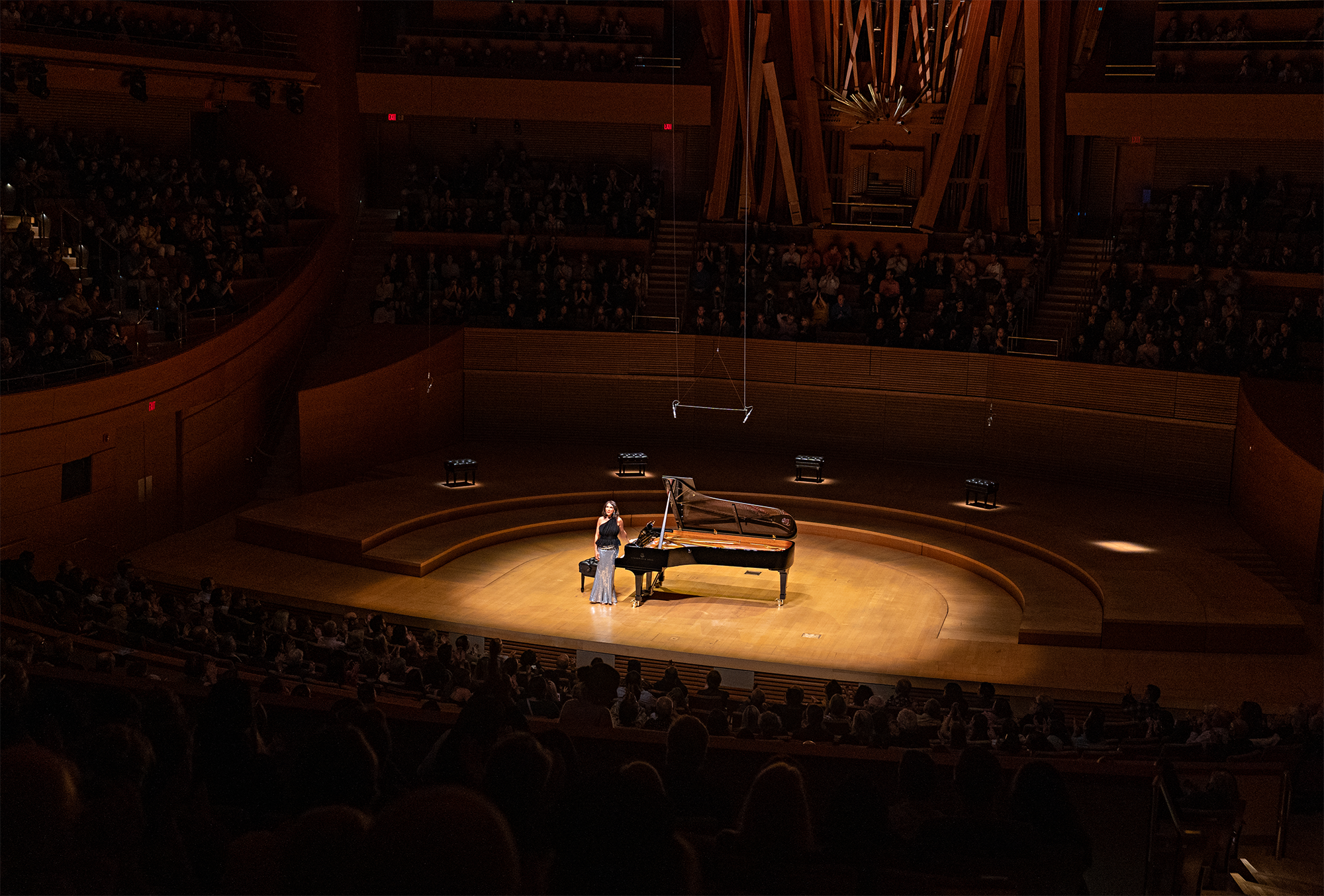
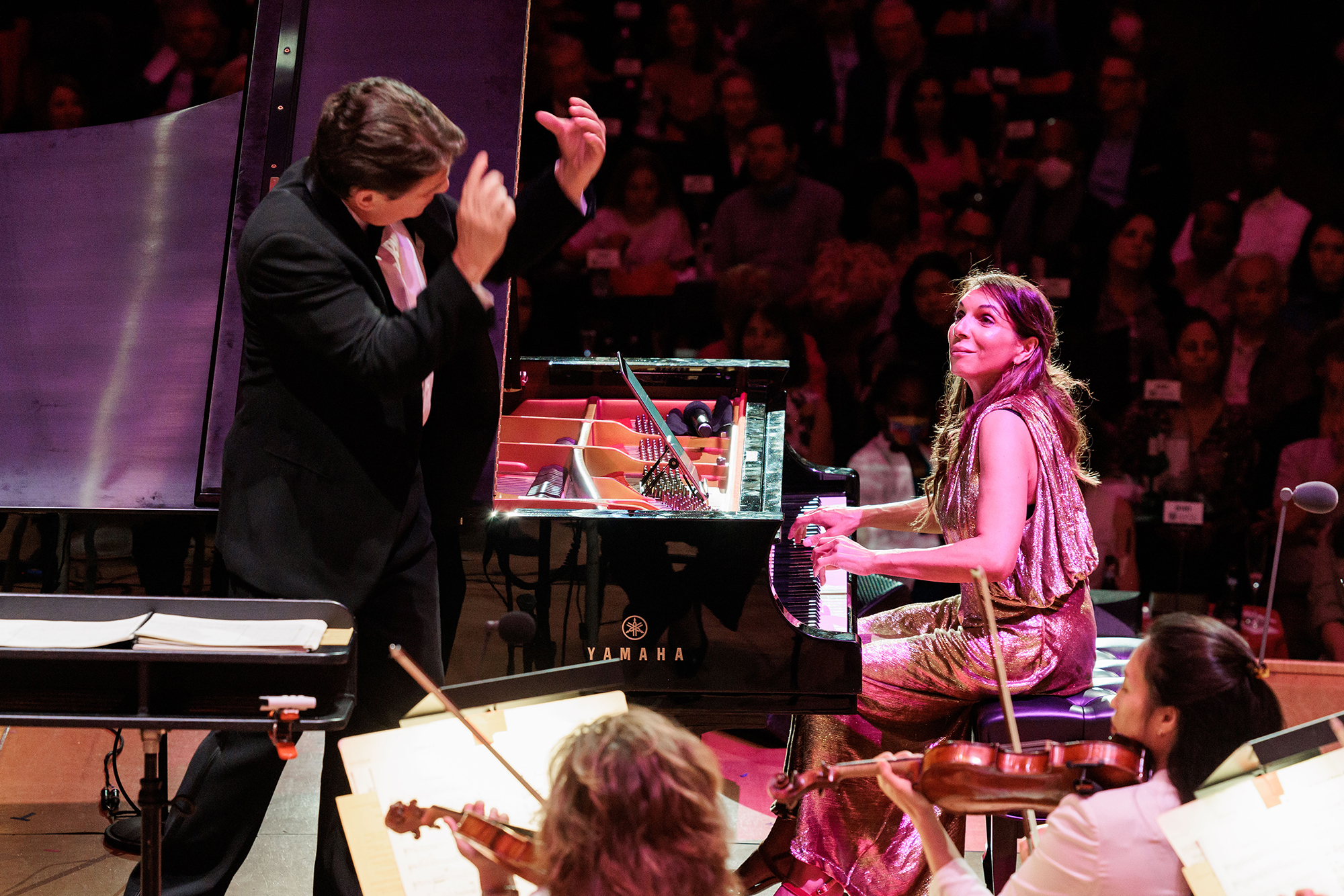
I suppose some version of a career started while I was still in school. That felt really easy, because I would win a competition, and then have concerts from that, which would lead to other things. My sisters and I were doing some concerts together as sort of a “sister act”. But I was also starting to feel a little bit suffocated. It was the constant being in the family and being identified as one of the “Downes girls” that felt very constraining. And I don’t know – I think maybe I just reached the age when you start questioning your identity, and I needed some independence and some space to search for self.
My solution to all of this was to fall in love with an American guy, move back to the States and make a radical break. And that was very much frowned upon by my teachers and my mom, but in retrospect, it was the catalyst that I needed to define myself. So, I came back here, and it was really rough, because it meant totally starting over. We had left before I had time to build a cohort in this country – I didn’t have a network of peers and mentors here like some of my friends who were just graduating from Juilliard or Curtis. I was literally starting from zero and just trying to play wherever I could and trying to make money however I could. It was really a trial by fire. And sometimes now, when I talk to young people, I almost feel like that reckoning – that having to ask yourself “Do I want to do this? This is really hard!” – is maybe a very important step at the start of a career. Because this career demands your full self and soul.
That time in my early 20s is kind of a blur. I was just trying to figure things out, and taking every possible opportunity, and somehow making my way. It’s funny now when I consider the life stories of people like Florence Price, and I’m like ‘Why did this woman keep writing symphonies? Nobody was giving her any indication that she should keep writing symphonies’. But there is a driving force that can keep you going, even when no one is helping you. It’s something powerful and innate. Maybe it’s because your creativity is how you express yourself in the world, and it’s something that you really love at your very core, and so you just keep trying, and you feed yourself on the tiny bits of encouragement that come from here and there. I mean, I was really hustling. I remember, back then, I would go through Musical America, and I’d email people who had never heard of me and try to set up concerts. I honestly don’t know why any of my emails ever got answered. And then I would get some gig in Upstate New York in the middle of the winter. And I would take a red-eye flight from California and play this little recital for pretty much no money. But the funny thing is that more often than not, it actually would lead to something else. So I mean, something was happening, something was growing, and I was learning more and more about what I wanted to do, and how and why I wanted to do it.
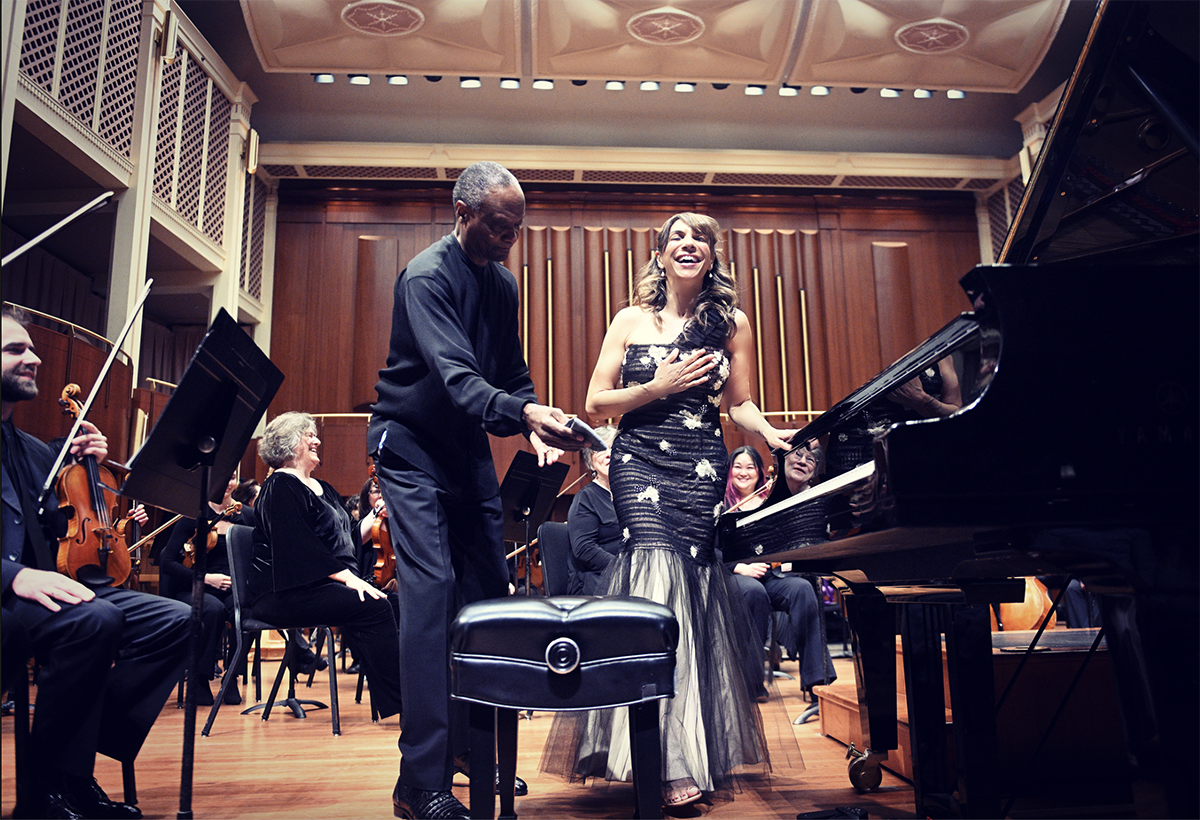
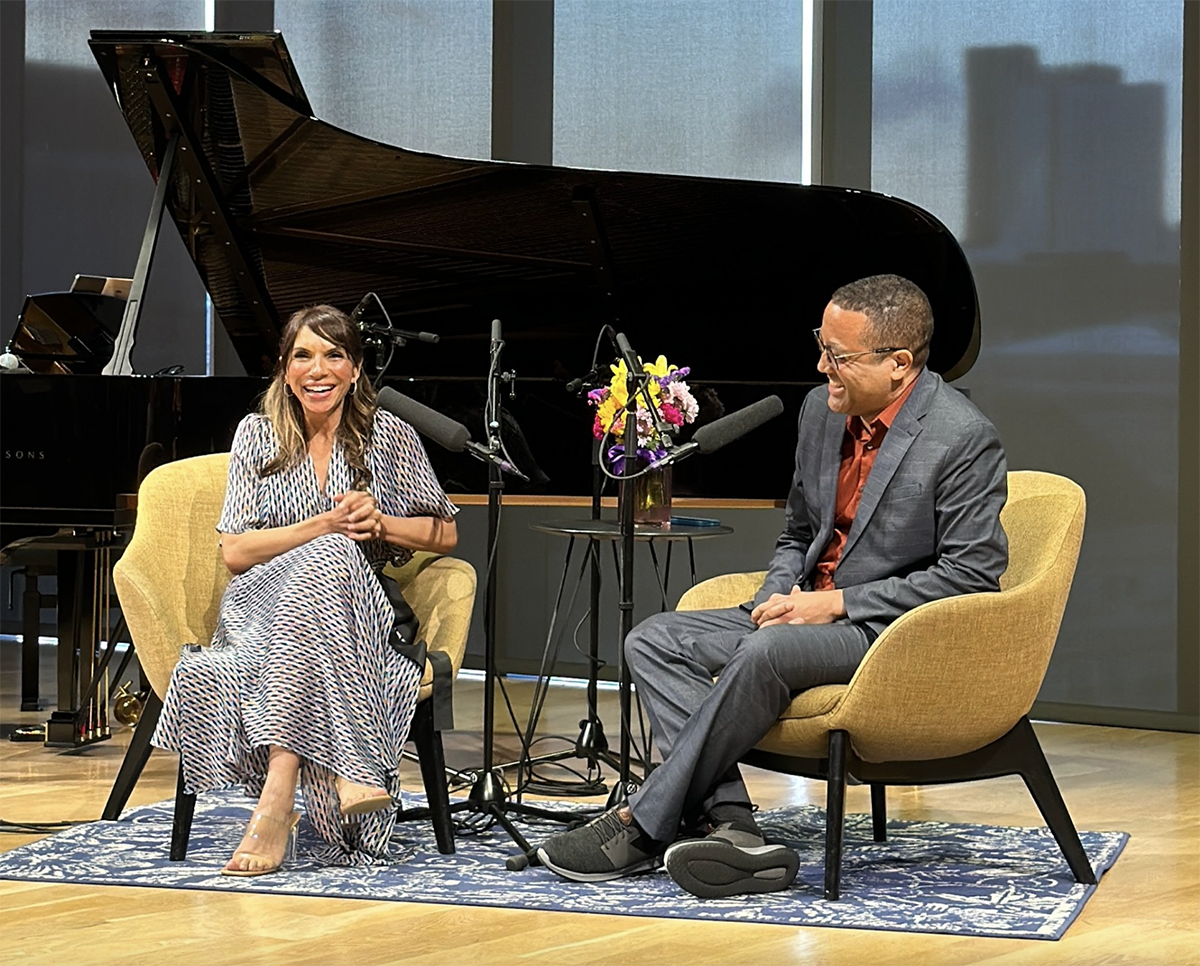
I remember sometimes, along with those early engagements would come this thing called “an outreach”. The presenter would take you to a school and there’d be some broken piano in the multipurpose room, and you’d have 40 minutes to impress upon these kids how important classical music was. And I was so bad at it. It was awful. I’d sit at this upright piano and play some pieces from my recital, and the kids would be super bored and hating it, and the teachers would be hissing at them to sit still and be quiet. And so I had to figure out the solution to that. I began to realize that if you did this work well, if you had a purpose and a message about how the music could speak to young people and why, it was an incredible opportunity to connect and open up ideas and conversations. I started to have beautiful experiences with kids who were discovering a new sound, a new love, a new world. To this day, it’s one of the things I treasure most about my work. You know, there are some things you have to just learn on your feet. I think the best school is just not knowing what you’re doing, and figuring it out in real time. But I feel sorry for those first classrooms of kids, back when I didn’t know what I was doing!
I had to push myself during those years – because coming back to this country wasn’t just about building a career, it was also about learning to exist as an independent young woman outside of the context of my family. And that raised a lot of questions about belonging, about things like identity, race, how I fit into this American landscape on both a human and a musical level. So, I think that’s when I started questioning the canon of classical music as I knew it, and confronting my feeling of otherness within that canon. Examining my relationship with music that was only ever written by dead white men, which I had taken for granted as truth, and had accepted and made myself okay with as a reality. But it suddenly just didn’t feel okay anymore. And so that’s really when I started exploring American music and educating myself about its history and origins. And as soon as I started that, I opened this huge floodgate of information – about the diversity of our music, about the contributions of Black composers, of female composers, of so many unrecognized voices. And about how this history connects with the bigger picture of our American past and present. This was absolutely transformative in feeding my own desire for connection to the music, but it also immediately pushed me to start sharing this information, because I could see how essential it could be to so many other people. Eventually I came to a place where my work began creating a platform for itself, and that was very gratifying, not from a personal standpoint, but just to know that I was helping to open up new space for new listeners, and a new way of considering our music.
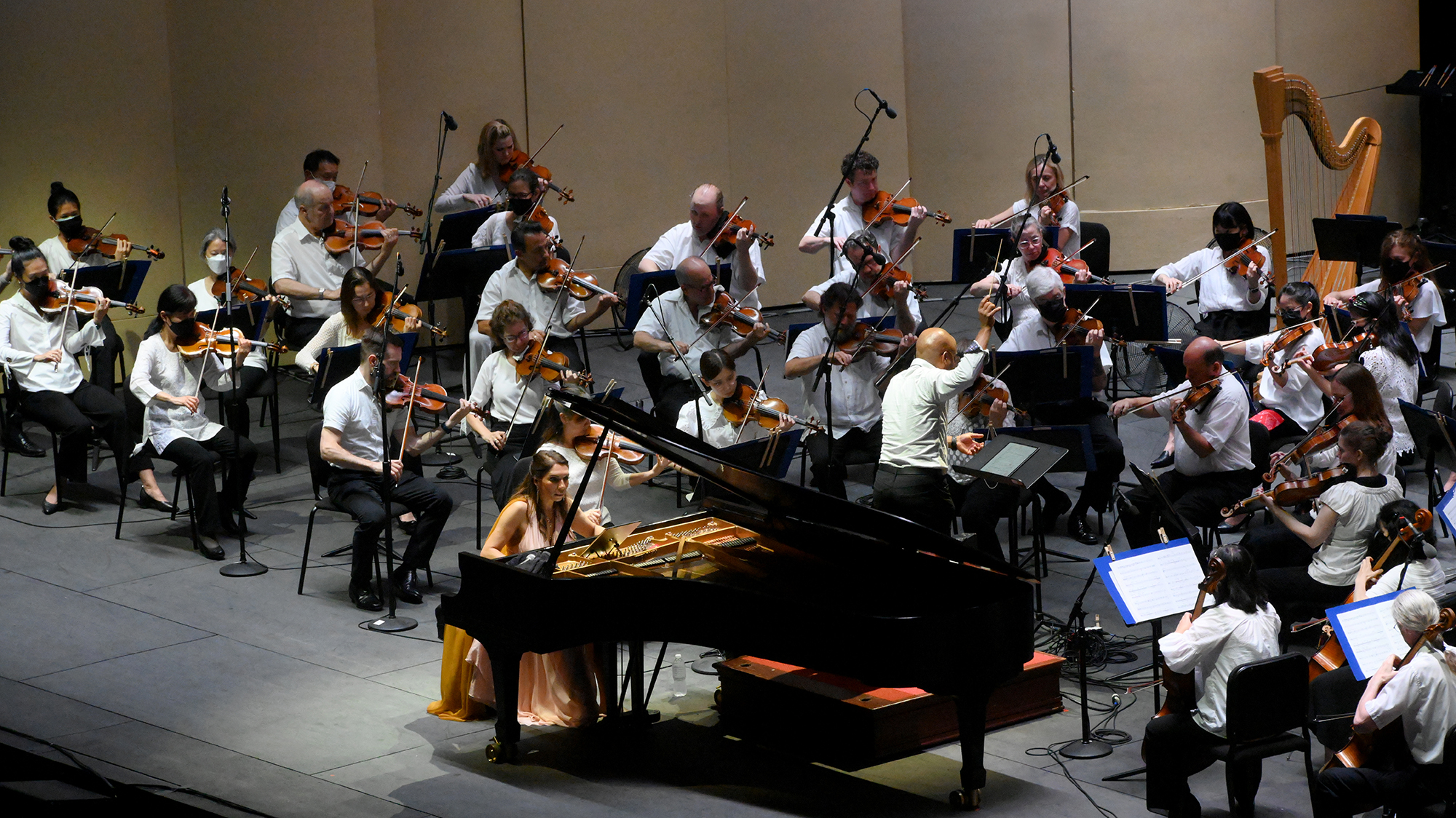 Philadelphia Orchestra – Lara Downes Plays Price
I’m really grateful for the timing of my existence as an artist. There are these cycles of history, you know. I look back at the first half of the 20th century, and that was a time of so much growth, and the building of an American culture via migration and social movements and very fast change. And then I feel like from the 1950s on, things sort of narrowed and stagnated within the classical music world, and by the time I was coming up in the 1990s, there was kind of this feeling of doom and gloom. The recording industry and the traditional star system were collapsing, and my mentors and teachers were kind of throwing up their hands in despair. So in reaction, I think that my generation has been a generation of builders. We’ve thrown a lot of innovation and authentic energy at creating new ideas about making music, and we’ve kind of constructed our own spaces for those ideas. It’s great now to see the next generation taking for granted the things that we had to build ourselves. That’s how it should be! Nothing makes me happier than meeting music students who are 12 or 16, and have been familiar with the name Florence Price since they can remember.
I’m curious about a lot of things. I’ve always been a writer. I’ve always had this producer mindset about curation and storytelling in my work. And now those pursuits have found a really wonderful, healthy space in my career. But there was a long time when doing things in the media space, the broadcasting space, the writing space, felt very compartmentalized and disjointed, and I couldn’t really see how it all fit together. But now I see that it is really all the same thing. I’m just doing it in different ways, in different areas. I was guesting with an orchestra a couple of weeks ago, and we were playing a new concerto that had been commissioned for me. And I’m very aware that whenever I’m doing something new with an orchestra, it’s a lift, right? We’re all working hard on the marketing level to entice audiences and assure them that this new thing is going to be okay, and that they’re going to like it! And I realized that one thing I really value about my work on the radio is that I have the ability to normalize so much music that people don’t know, so that their awareness is broader and their trust in what’s new and different is greater, and maybe we don’t have to work that hard to get them to try something new in the concert hall. So, I think I am so lucky to have these different platforms, because every time I play a concert, I’m only playing a concert for the people who happen to be in the room. And you know, there are so many more people who aren’t in that room. And I want to reach them all!