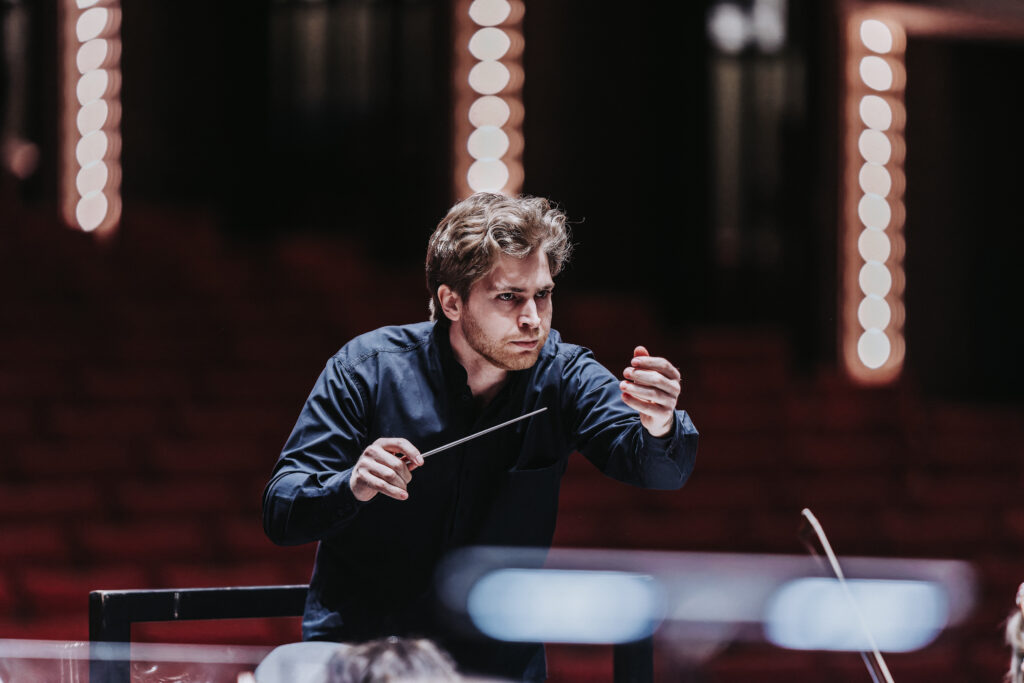
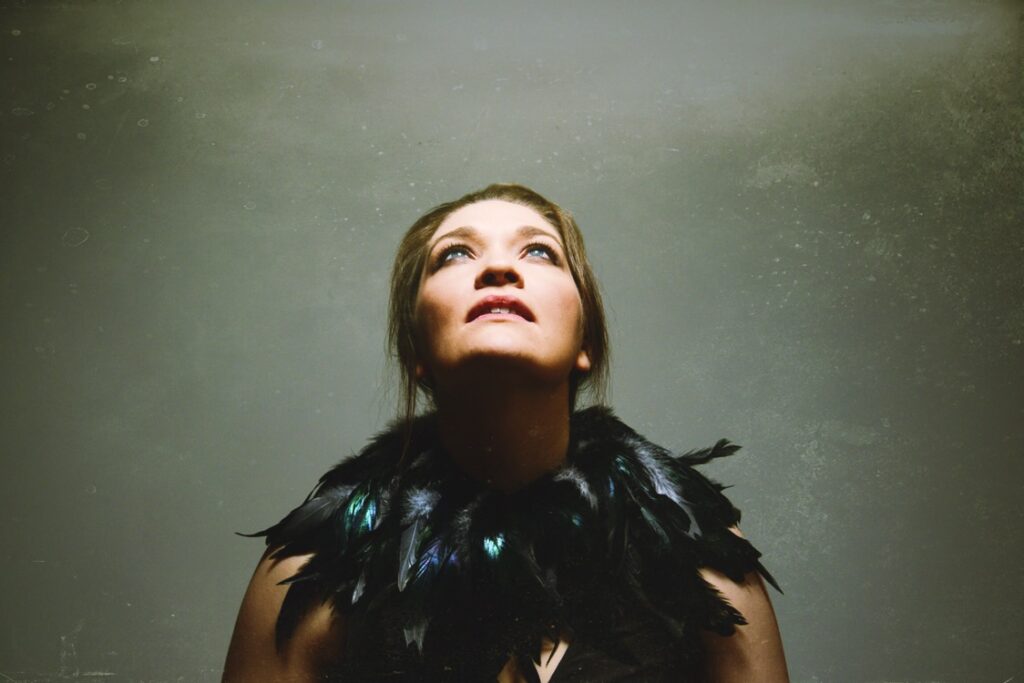
Isata Kanneh-Mason is a British concert pianist.
Origins: Isata Kanneh-Mason
Share: 



I can’t think of a time when I wasn’t aware of music because when I was about three years old, I was having recorder and music theory lessons. But even before that, I think from birth, my parents always played music around the house. My parents aren’t professional musicians but they both played at school to about grade-eight standard, so it’s always been part of their lives.
My earliest memory of the piano is when I was five; my grandparents had an upright piano at their house in the Caribbean. We were there on holiday and I went to the piano and I tried playing the theme tune for Rugrats, which was a TV show I used to watch when I was that age.
Soon after that, when I was about six, my mum gave me lessons. The piano always felt very natural to me and I liked the sound. It didn’t feel difficult initially, whereas with the violin, which I was also learning, it felt awkward and difficult, and I’d get things wrong. I felt the same way about ballet!
My parents wanted to support me as much as possible because they noticed I was learning pieces quickly and that I would pick things out by ear quite well, so they made the effort to make sure I could go to The Purcell School for Young Musicians in London when I was 14. I was desperate to go to a music boarding school [which is what The Purcell School is] and it was amazing because I had my piano teacher three times a week, instead of once.
But it was also a tricky time because I was a teenager away from home for the first time. I wasn’t as disciplined there, actually, as I was when I came back to Nottingham at 16 to go to a state school. Even though I got more lessons at the Purcell, I think I developed more, or just differently, at home where things were more structured. My local sixth form [high school] had a wonderful Head of Music who gave me all the time I needed to practice.
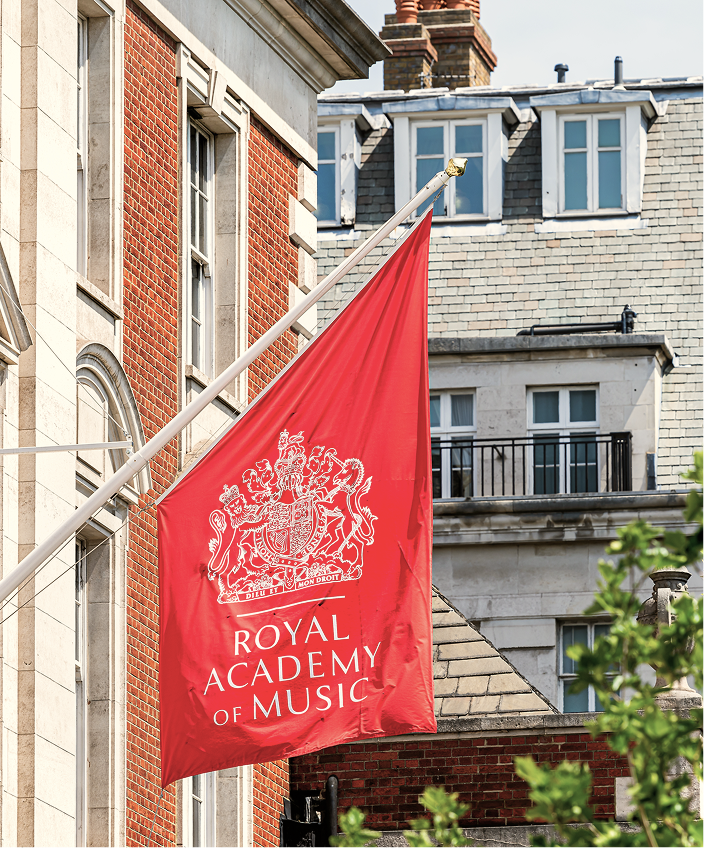 Royal Academy of Music
 I went to the Royal Academy of Music from 18 until 24 and that was a really good time. I got in on a Sir Elton John scholarship – he had been a student there. We’d already met when I played for him for a documentary when I was about 17, after which he offered to pay my fees. He does give out other scholarships as well, but mine came with more of a personal connection.
I had amazing teaching from Hamish Milne and Carole Presland, who massively shaped my playing. Hamish was very big on Beethoven, so I learned a few of the sonatas and a couple of the concertos, but also lots of Chopin, Bach, and Mozart. They were milestones you had to hit, you know, you had to do a Mozart concerto, you had to do a Chopin étude, you had to do a romantic concerto, so I was basically working my way through a lot of core pieces.
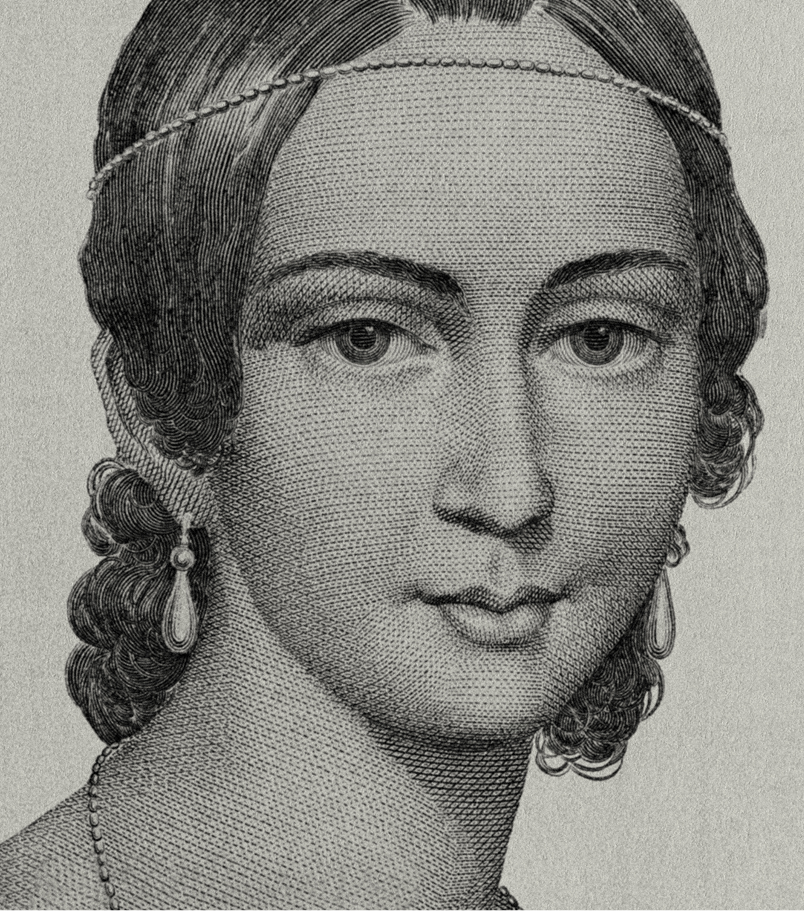 Clara Schumann
 When I was 22, I had a meeting with a record company who wanted to do a Clara Schumann CD. I’d heard of her, of course, but I didn’t know much of her music, so I went away and I listened to a lot and really liked it. I discovered her music throughout the recording process and read a lot about her life as well and I’ve been playing her music on and off ever since.
I’ve made a few more recordings after that, which is great because it’s a way of reaching out to an audience beyond the concert hall. Recordings are also important because you get to spend so much time on one piece, it’s a chance to go into all the details and give everything, unlike a concert where you might express some things better than others. But a recording can immortalize the best version of yourself with that piece. That’s quite a luxury to be able to do.
I think as my career has developed, I have gained experience through things I haven’t been happy with, like concerts that haven’t gone as well as I’d like. It’s easier to say, okay, what went wrong? I’m quite good at being strict about getting enough sleep and looking after myself more generally, which I think is easy to forget about as a musician; you think you’re just a powerhouse that can just power through. But, especially when I’m on tour, I’m quite structured with things like getting the hours of practice in during the day. I also have a very good support system; I’m lucky enough to have great friends and many siblings so I have phone calls with people every day. Just in the last couple of days I’ve called both my parents about some random things that I need help with and that makes me feel supported when I’m on the other side of the world.
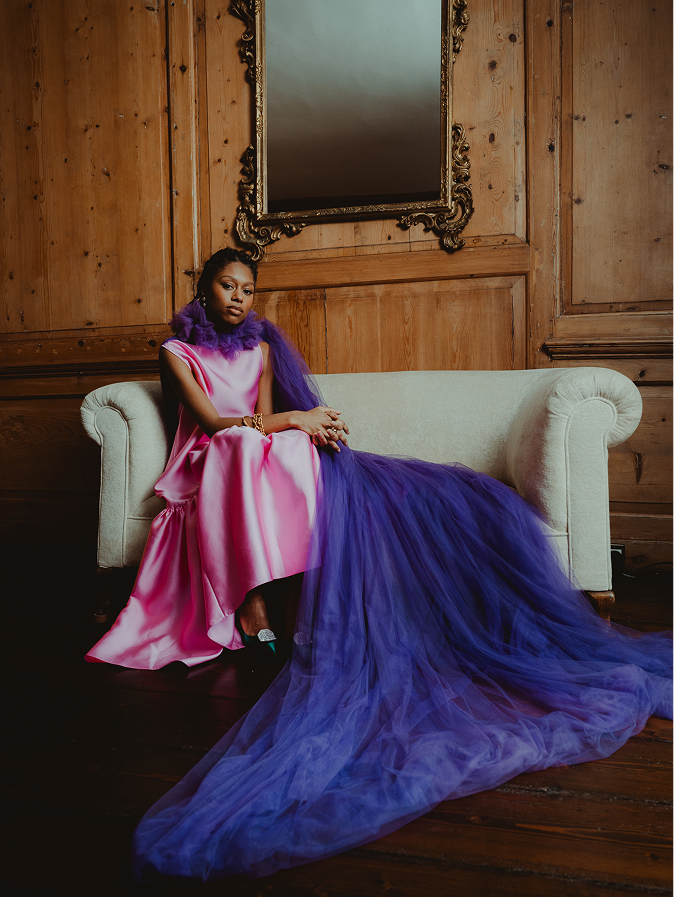 Photographer: Karolina Wielocha
 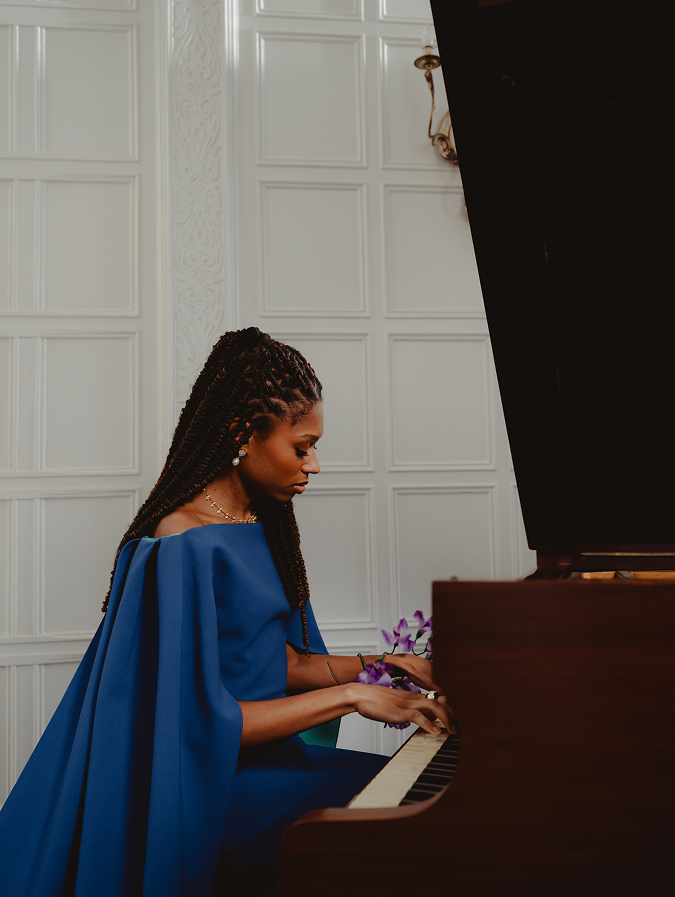 Photographer: Karolina Wielocha
 Later on in the year, I’ll be working on some new recordings of the Britten and Shostakovich cello sonatas with my brother Sheku, and a commission from the composer Natalie Klouda, who is a friend of ours so we’re very excited about bringing that into the world. Otherwise, I want to gain more and more freedom in my playing and become more able to add more layers to what I can express in terms of color, voicing, and range. That’s always an ongoing journey for a pianist.
You should always be able to say no to the things that you really feel aren’t you, because then you have the energy to give your all to the things that are for you. You don’t want to spread yourself too thinly, because then you end up becoming sort of a mediocre everything, whereas you want to be an expert you!