Bertrand Chamayou is one of France’s leading concert pianists, having studied at the Conservatoire de Paris with Jean-François Heisser. Chamayou’s international career has taken him to major concert halls and festivals around the world, and he is currently Artistic Director of the Festival Ravel in Saint-Jean-de-Luz. This October, he releases his complete recording of Mendelssohn’s Songs without Words on Warner/Erato.
Favorites: Bertrand Chamayou
Share: 


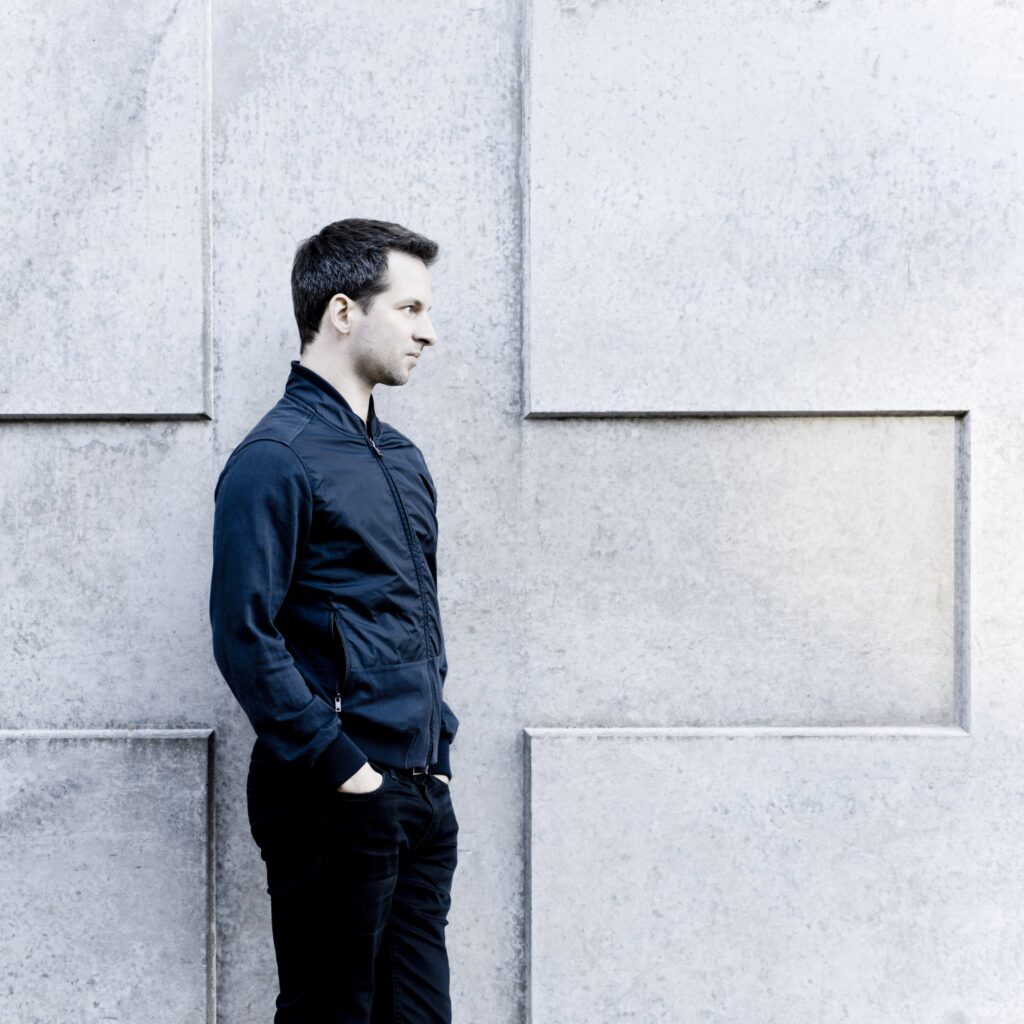
The Songs without Words by Felix Mendelssohn are well known – and little known at the same time. While they number 48 in total, fewer than 10 are regularly programmed on recitals. Leafing through the pages of this collection brings surprise and wonder at every turn, as the piano becomes a singer, with both the melody and its accompaniment constantly intertwined. The “song without words,” inextricably linked to Mendelssohn, is a concept more recognisable than the pieces themselves, one that is striking for its lack of reliance on any text. Making the instrument sing, creating the marvelous illusion that the piano’s strings vibrate without being struck by the hammers: other composers achieved the effect, but it was Mendelssohn who first employed the form of the German lied, in which every gesture serves the text, everything is narrative, in the manner of Schubert. An entire world is created in the space of a few minutes. And Mendelssohn wrote nearly as many songs with words (settings of poems by Lenau, Eichendorff, Heine, Schiller, etc.) as he did songs without words.
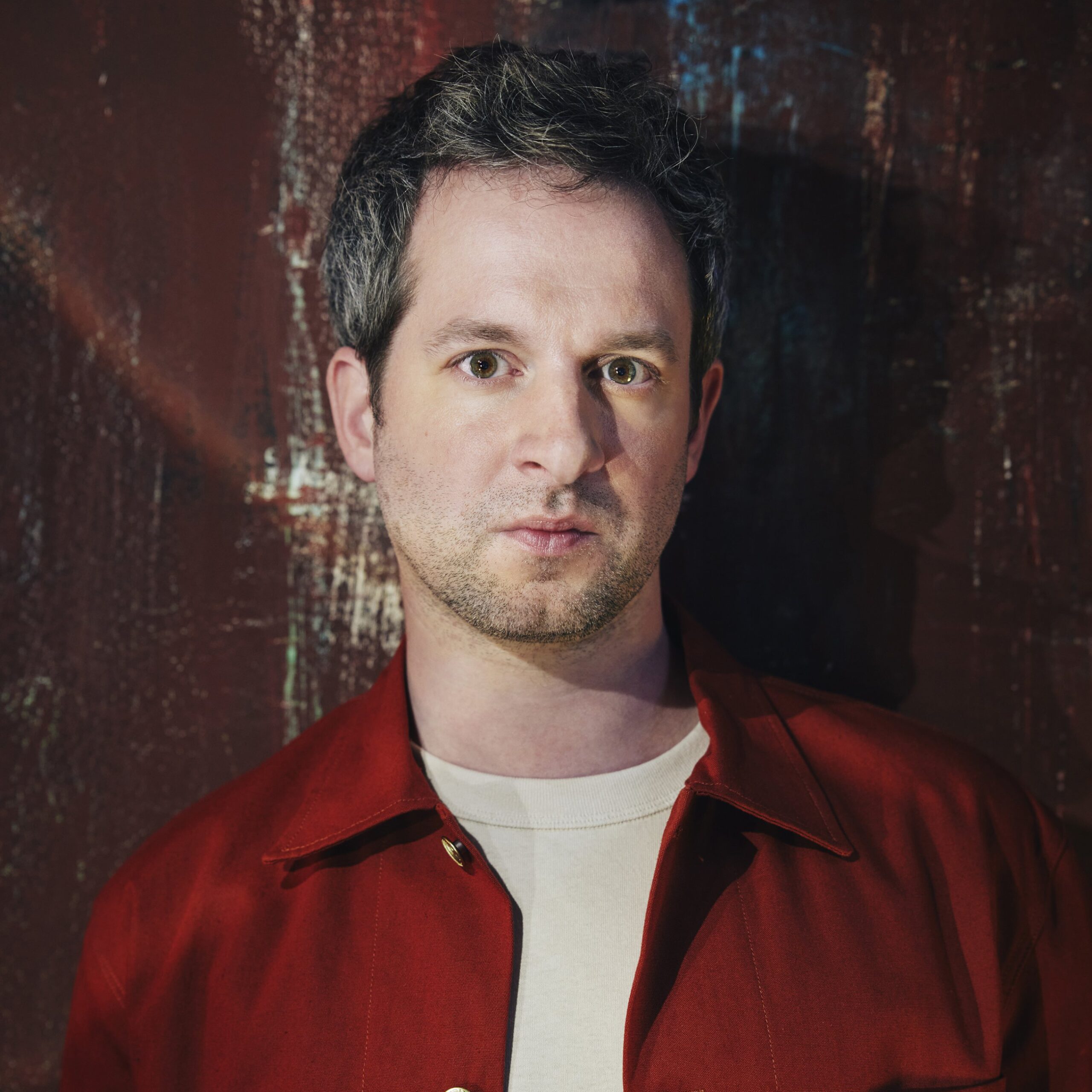 ©Audoin Desforges
 Performing the complete Songs without Words (which isn’t so much a unified set as it is a sort of personal diary that the composer would regularly leave and then take up again throughout his life) has made me realize just how much their textlessness – while we still need to continually phrase, breathe like a singer, and conjure imaginary worlds even without the help of words – compels us to journey inward. I recorded this vast collection at a difficult time in my life, amid turmoil and existential self-examination, and I threw myself headlong into the music in a great emotional freefall, sadness mixing with joy, hope with confusion, love with fury, doubt with determination. There was an omnipresent sense of nostalgia – an unfamiliar feeling that I have always rather avoided. And yet nostalgia seems bound up with this music, or at least with the perception of it that we have today. Is that because it takes us back to the origins of Romanticism – to the Germany of Goethe or E.T.A. Hoffmann? Thumbing through these pieces, one after the other, is like turning the pages of an old album or opening a trunk full of family photos faded by time, mixed in with forgotten letters and treasured objects. Their disorder invites exploration, conjuring the stories behind these objects, bathing us in the sweet, intoxicating scent of the past, untangling real and imagined recollections.
Listening back to my recording today, my feelings no longer have anything to do with the intense emotions I was going through at the time of the recording sessions. Music will take its own path and take on a different meaning at each new turn. That is true, I believe, for all music and for every form of artistic expression. But it is particularly striking in these vignettes, as we follow the thread of a voice that seems to say the things we cannot speak and we hear that which we cannot understand. This, for me, is the miracle of these songs. A few publishers have seen fit over the years to give each piece a title, which, in my opinion, completely misses the point. Art’s magic lies in its mystery; we must accept that not everything can be explained. Mendelssohn’s songs without words invite us to look within. As you listen to them you can (and should) let yourself go, to uncover a part of your own personal story and to embrace the inexpressible.
warnerclassics.com. Translation: Robert Sargant