Few artists in classical music are as energetic, versatile, or influential as the violinist Daniel Hope. He has built an eclectic and acclaimed discography spanning Irish folk music, American jazz, and the core classical repertoire. He is the new artistic director of the Menuhin Festival Gstaad in Switzerland.
Origins: Daniel Hope
Share: 


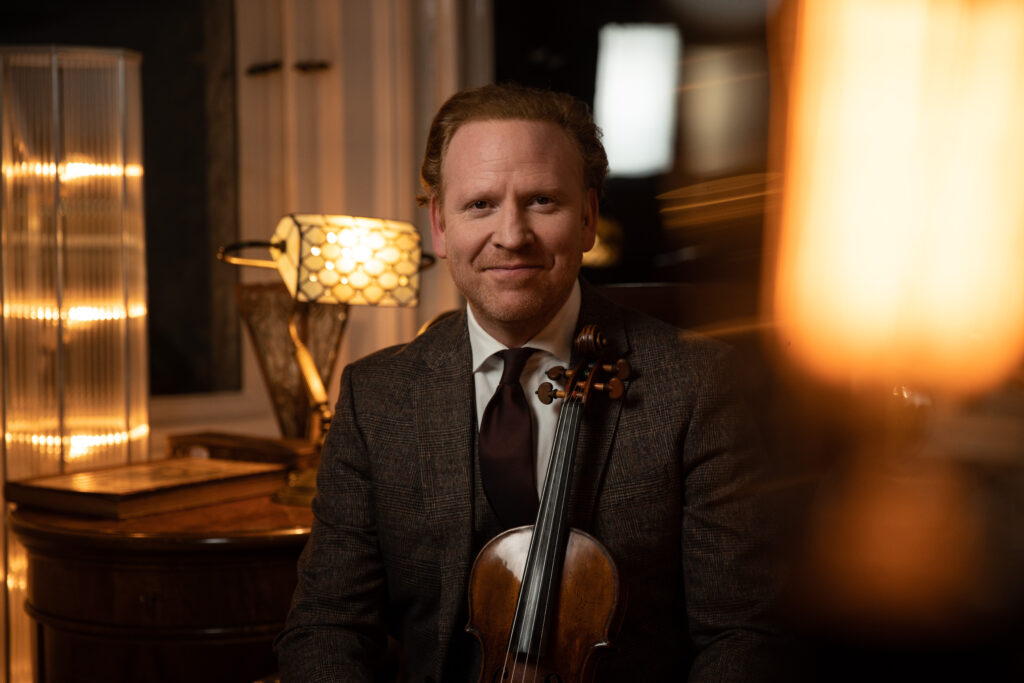
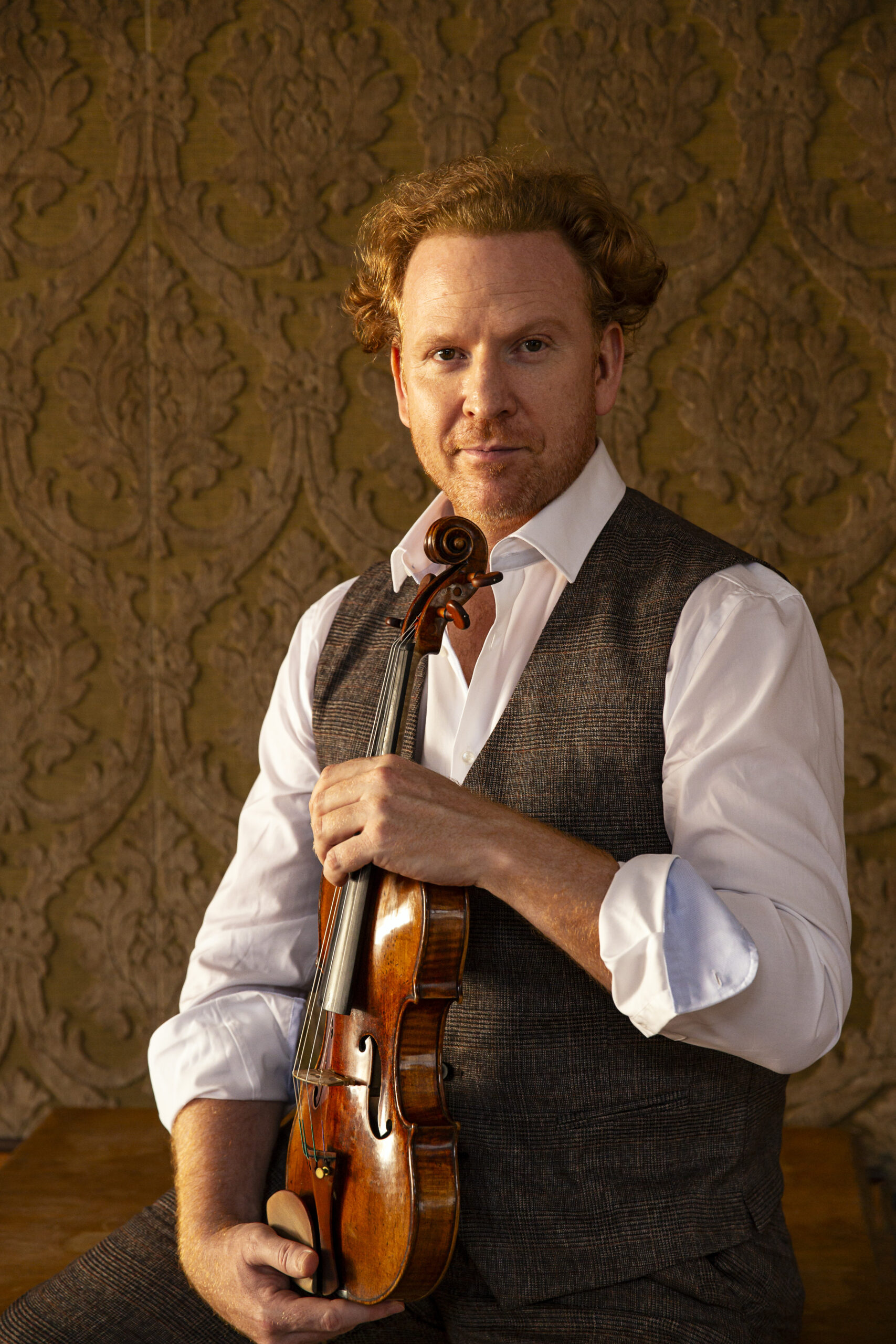 Photo: Inge Prader
 I was born in South Africa and we were kicked out of the country when I was a baby – my father, Christopher Hope, is a writer and a journalist and his books were banned. So, we left head-over-heels on a so-called exit permit, which meant you could leave but never return, ending up completely penniless in London. Even though my father had made a name for himself as an anti-apartheid campaigner, it was impossible in the 1970s for South Africans to find jobs, or difficult anyway.
He tried all sorts of options and wasn’t able to get any books published at the time, so my mother went out to find work to feed the family and for us to survive. Through a series of rather bizarre coincidences, she managed to meet somebody who had a very high-powered temp agency that placed secretarial jobs. This particular gentleman took a shine to my mother and offered her the job of secretary to either the Archbishop of Canterbury or to the violinist, Yehudi Menuhin. It was an extraordinary choice!
The interesting thing was the Archbishop of Canterbury at that time had been to South Africa, where my parents had heard him speak. They’d been pretty shocked he hadn’t disassociated the Church of England from apartheid and because of that, my mother said she’d never work for him. She also knew about Yehudi Menuhin because he’d been to South Africa during her childhood and was of course a very famous violinist. She thought, I’m not a musician, I don’t have any musical training, but, you know, a secretary is a secretary. She went to meet him in Highgate and he said, “Do you know the difference between Beethoven and Bach?” She said, “I think so.” “Good”, he replied, “when can you begin?”
By all accounts, Yehudi had had more secretaries than hot dinners, so my mother’s job wasn’t expected to last. But what was meant to be a part-time job turned into 27 years, first as his secretary and then becoming his manager.
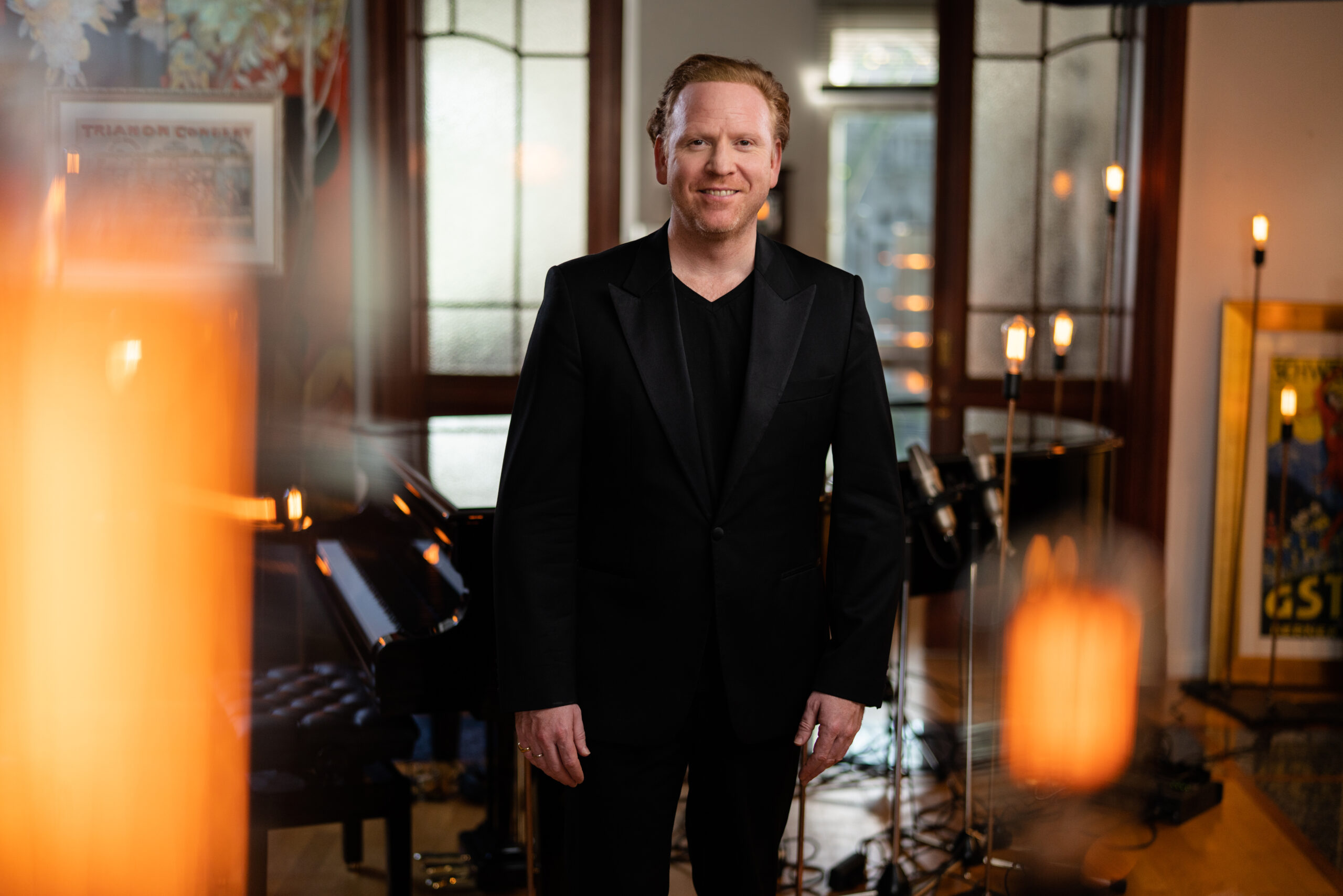 Photo: Daniel Waldhecker
 The first thing he said to her once she got the job was, “Pack your things, we’re going to spend the whole summer in Switzerland because I have a festival to run in Gstaad.” She said, “I can’t, I’ve got two small kids”, to which Yehudi replied, “I would never separate a mother from her kids, so bring everybody!” I remember getting into our completely beaten-up Volvo which broke down several times on the way there, driving through France and then arriving at this extraordinary paradise on Earth. Gstaad is where Yehudi and Benjamin Britten and Peter Pears had created a music festival in 1956, which was four or five concerts with friends in a little church in a village nearby.
I ended up growing up in that festival every single summer. I went to all of the rehearsals, and all the concerts, listening to Yehudi and all the other musicians including the Zurich Chamber Orchestra. When I was about three, I announced I wanted to do the same thing that Yehudi did because I’d been seeing it, and it seemed like a good way to spend one’s time. With Yehudi’s encouragement, my parents found an incredible teacher called Sheila Nelson who lived in Highgate as well. After that I really went my own way until I was about 16. All the while, Yehudi was always interested to know what I was up to and if I was taking the violin seriously, and once or a couple of times a year I’d play for him, occasionally with him, but not more than that.
A really decisive moment came, funnily enough, in Gstaad when I was 16. By then I’d started studying with the Russian teacher, Zakhar Bron who’d caused a huge sensation on a recent trip to the UK with some of his students. I think Yehudi was very curious to see if he could do something for me, so I was invited to play for him in a kind of official masterclass in Gstaad. I think it was at that point he saw for the first time how serious I had been taking the instrument and what it meant to me, and that he understood I was going to do this with or without him. Yehudi’s response was to take me on the road and play concerts with him where he would conduct, and for about the next 10 years we did that.
If we fast forward some 45 years later, with me becoming Gstaad Festival’s artistic director this year, it feels like something has come full circle, although it’s a much bigger festival these days – about seven weeks. It’s not just in that one lovely church but in several, and there’s a tent where we host 70 concerts and events with major symphony orchestras.
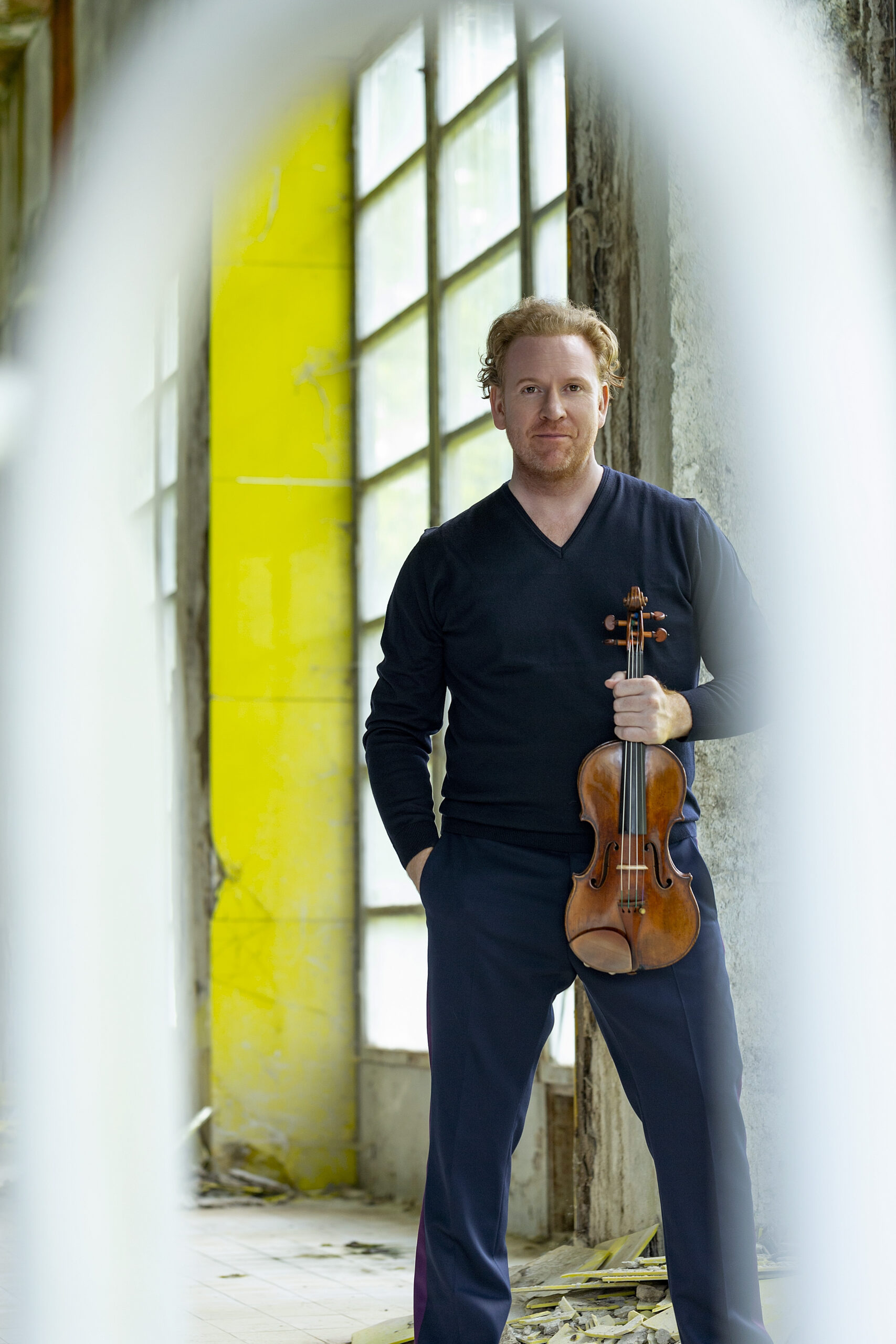 Photo: Inge Prader
 My predecessor had run the festival very successfully for 24 years. He had come in as a very young man and decided to get away from, let’s call it the weight of that Menuhin history. He wanted to go very much his own way. There were a few things connected to Menuhin, but he was not particularly interested in keeping that going – I think partly because he didn’t have that personal connection. When I wanted to take over, I was very clear to the board that, if they selected me, I would take the festival back to the roots, values and some of the artistic concepts that Yehudi had brought to Gstaad when he began it. In the same spirit of Menuhin’s forward thinking and his ability to connect different musicians, building bridges will all be part of the mix I’ll be bringing about in the coming years.
It does feel like a homecoming for me because of the amount of time I spent here when I was younger. I know so many of the people and places in Gstaad that it feels like an extended family. For my first year, I’ve decided to go for the theme ‘Family Matters’, even if not every single concert has that exact connection. I wanted to design a program that looks at the idea of family, not just the traditional sense of family, but connections between various individuals or a family of instruments and then to use this basic thread to build the program. I have to say I enjoy having a theme because it allows you to bring strands together, especially if you think as widely as I do in terms of music. It’s quite a departure from the way the festival’s been, so we’ll have to see if audiences like it! For me though, it was incredibly important to be positive and to look at something that brings empathy back because the world is so incredibly divided and polarised at the moment. A music festival is a wonderful chance to bring people together and to celebrate music.
The festival – its 70th – opens with the Zurich Chamber Orchestra, which is wonderful because they were the first orchestra I heard at Gstaad all those years ago in the same church. To walk out on stage with them as their music director now of 10 years, is very moving, actually.
Menuhin Gstaad Festival runs from July 16 – September 5, 2026