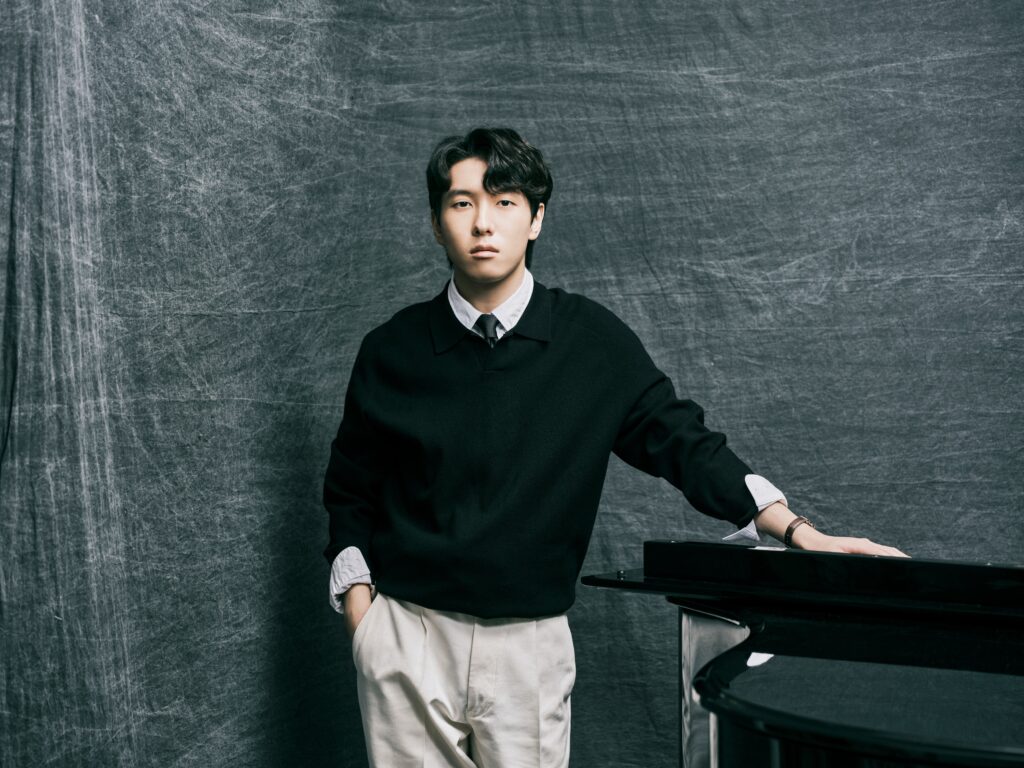
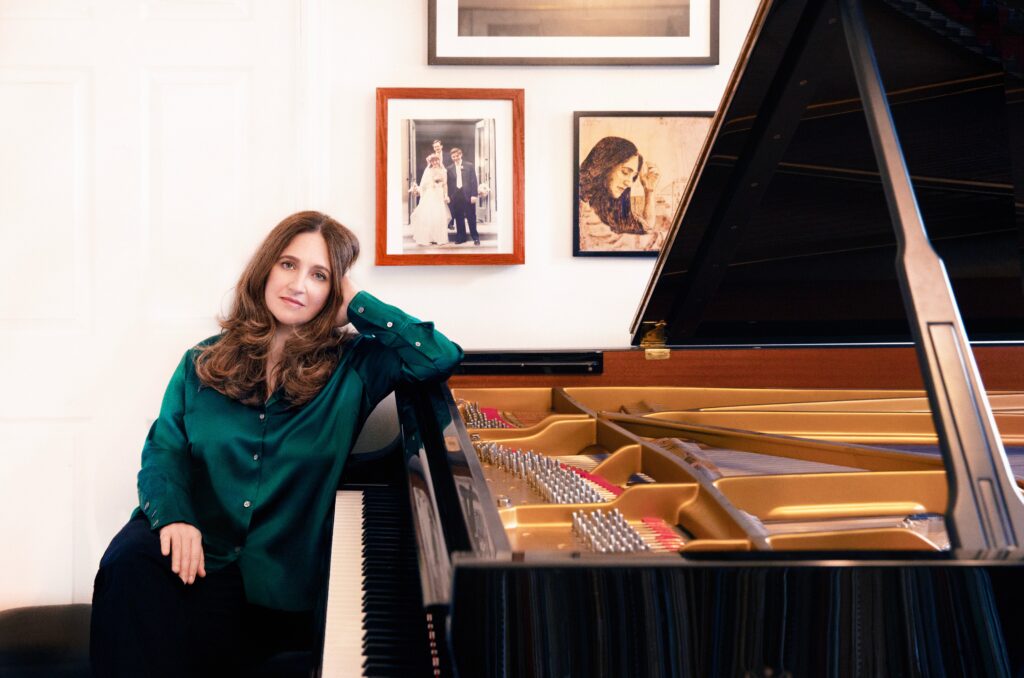
French-born, Hungarian-heritage violinist and educator Etienne Gara is the founder and artistic director of Delirium Musicum, an award-winning self-conducted chamber orchestra based in Los Angeles since 2018. Renowned for his innovative approach to classical music, he has performed as a soloist and chamber musician all over the world and has collaborated with the likes of Itzhak Perlman and Leonard Cohen. Here, he shares why curiosity is the key to the future of classical music and moving the world forward one delirious note at a time.
Stories: Etienne Gara
Share: 


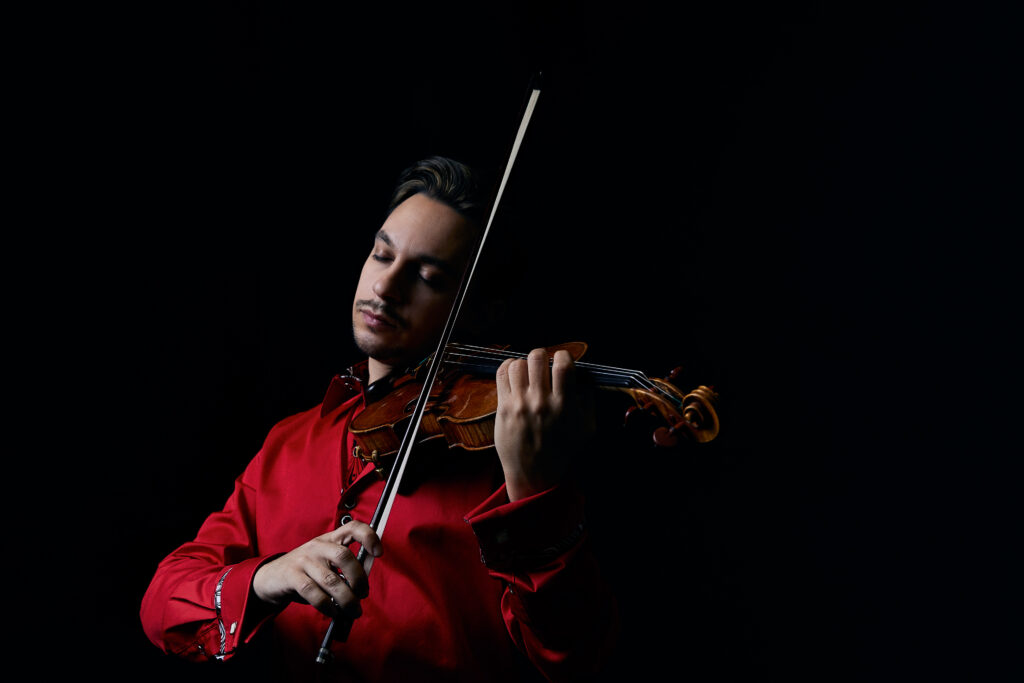
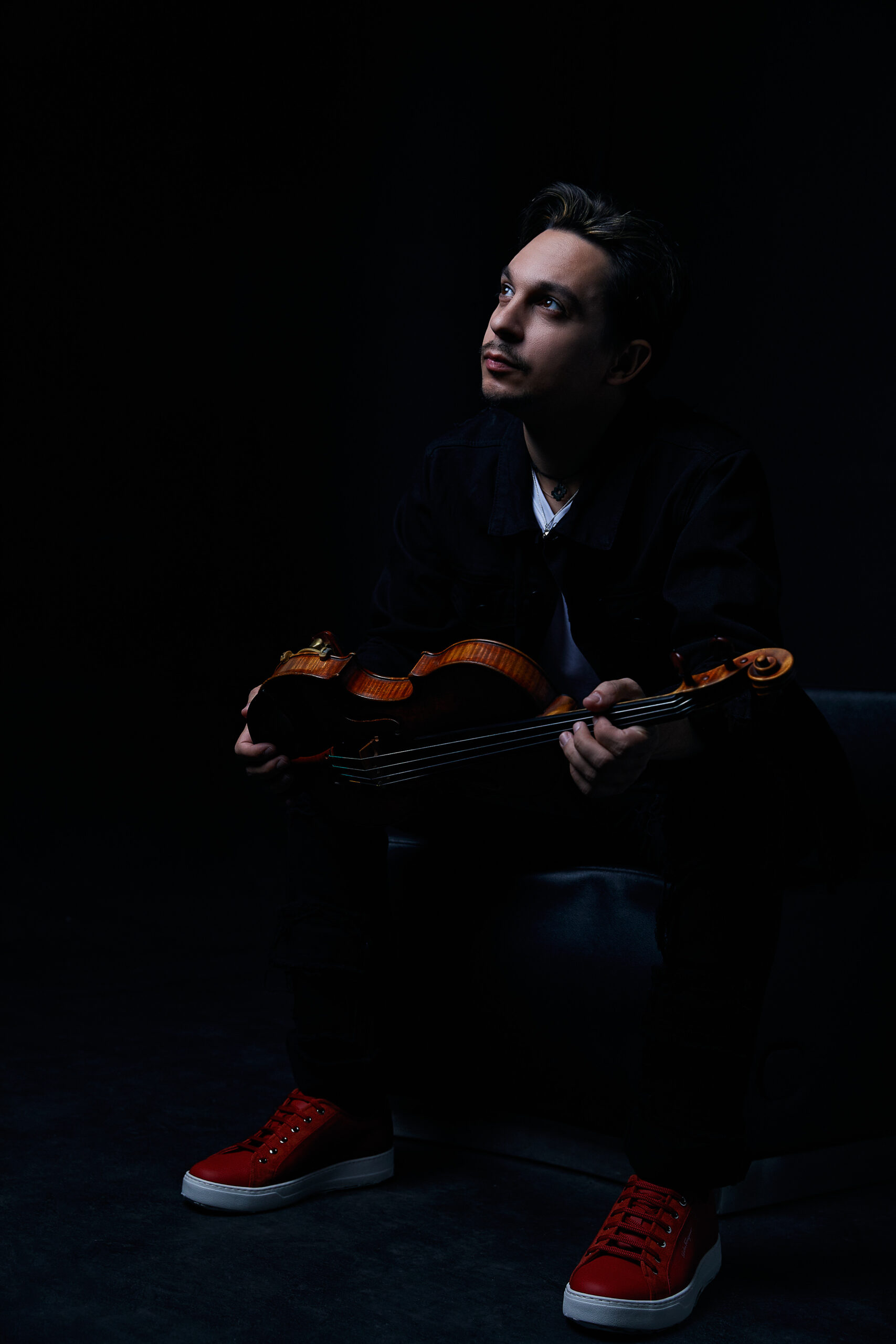
I am asked from time to time why I named my band Delirium Musicum. The answer has evolved over the years, but today I think of delirium as the rare state in which we allow ourselves to experience something without prejudice or traditional preconception. We spend so much of our lives categorizing the world – by nationality, profession, generation, politics, culture, even by musical genre – that we often forget that the most profound human experiences refuse to fit into categories. Music-making with Delirium Musicum reminds us of just that every time we gather in the same room.
When an audience listens together, something very special happens. Hundreds of people, each carrying their own history, worries, convictions, and dreams, begin sharing a common emotional journey. A musical phrase belongs equally to the retired engineer, the recent immigrant, the child attending a first concert, the lifelong subscriber, and the musician. For those fleeting moments, we are no longer defined by what separates us, but by our ability to feel together. I don’t believe music changes the world because it provides answers. I believe it changes the world because it reminds us that before we are anything else, we are human.
That conviction has shaped every decision I have made as a musician. I have never been interested in building an orchestra whose identity rests solely on repertoire or tradition. I have been far more interested in creating a community of artists united by a common sense of purpose, of curiosity, despite coming from different cultures and artistic backgrounds. My role has never been to erase those differences, but to reveal the extraordinary possibilities that emerge when they are placed in dialogue with one another.
Perhaps that is also why I have resisted being defined by a single title. I am a violinist, but performing has never been enough. I am an artistic director, but curating concert programs and projects has never been the ultimate goal. I am an educator, an entrepreneur, a collaborator, and an eternal discoverer because curiosity has always demanded that I keep moving. The moment we become comfortable with labels, we risk confusing identity with limitation. Curiosity, on the other hand, refuses to acknowledge those boundaries. It invites us to ask questions whose answers cannot be found within the walls we have already built.
The future of classical music, in my view, will not be determined by how faithfully we preserve the past, nor by how aggressively we reject it. It will depend on our willingness to remain curious: curious enough to welcome artists who think differently and want to explore, curious enough to seek audiences who have not yet discovered that this music belongs to them, to us, to all, and curious enough to imagine concert experiences that speak to the world as it exists today without sacrificing the depth of the tradition that brought us here.
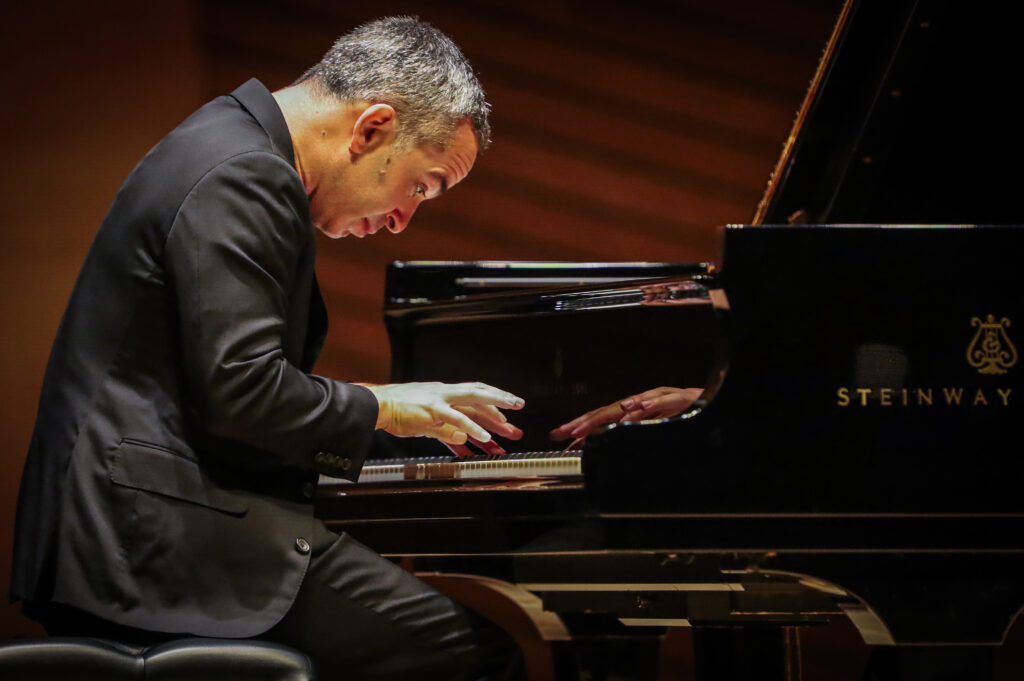
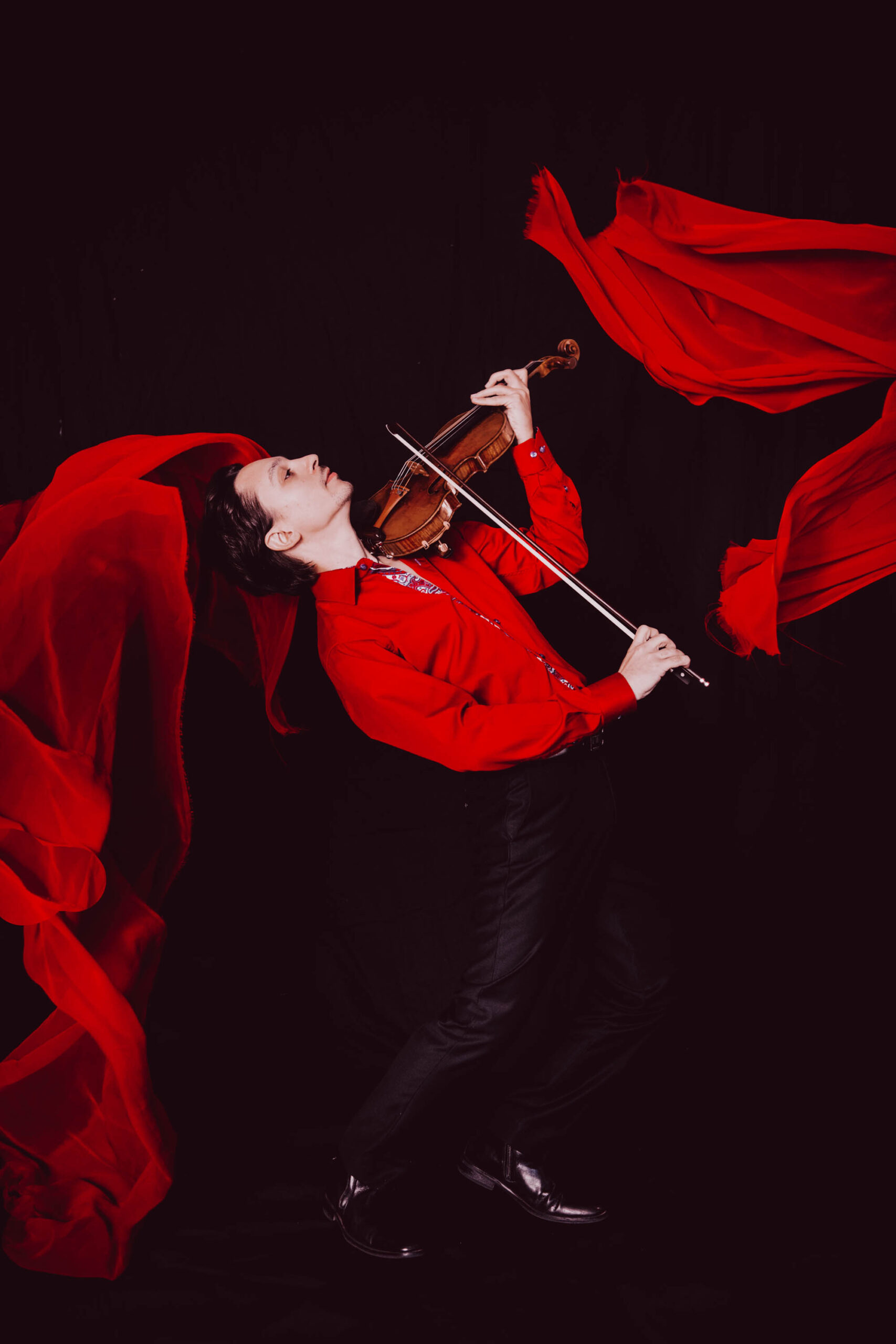 PHOTO: Josh Rose
 I often say that I want to save the world one delirious note at a time. Of course, I know a concert cannot end conflict or erase injustice. But I also know that every meaningful change begins by recognizing ourselves in one another. If music can create that recognition – even for a single evening, even between complete strangers – then it has already accomplished something extraordinary. In an age increasingly defined by division, perhaps there is no more radical act than gathering people in a room and inviting them to listen together.
These ideas shape every project I undertake. Each one is an opportunity to ask a different question, to challenge a different assumption, and to invite audiences – and ourselves – into a new conversation.
Seasons, my first album with Delirium Musicum for Warner Classics, was never intended to be another recording of Vivaldi’s masterpiece. Instead, it proposed a conversation across centuries and cultures, exploring how the changing seasons resonate across civilizations and generations. At a time when climate change has become one of humanity’s defining challenges, the cycle of renewal, fragility, and resilience found in nature felt more relevant than ever.
Our second Warner Classics album, Cabinet of Curiosities, embraces the same spirit from a different perspective. Inspired by the Renaissance cabinets of wonder, each door one pushes opens up to a unique musical, acoustic, emotional universe. I curated this album more like a concert program than an album, as each short piece is as different from another as it gets – just like the musicians of Delirium Musicum and the artists I like to work with – but when one listens to the whole album the connecting elements appear naturally, almost self-evidently, revealing the scenery of a beautiful musical journey. It celebrates discovery for its own sake, moving effortlessly from Baroque masterpieces to contemporary works, from film scores to folk songs; this album refuses to recognize the boundaries that often separate musical worlds. Instead, it invites listeners to experience each piece with the openness and curiosity of someone encountering it for the first time.
That same philosophy inspired another project very dear to me: Treelogy, a work commissioned by The Soraya, in Los Angeles, for Delirium Musicum, as a tribute to California’s three iconic trees that have suffered devastating damage from recent wildfires. Billy Childs explored the giant sequoias, while Steven Mackey and Gabriella Smith wrote respectively about the redwoods and the Joshua trees, each exploring one of these remarkable species through their own musical voice. More than an environmental reflection, Treelogy became a meditation on resilience, interconnectedness, and the quiet wisdom of nature – reminding us that, like a forest, thriving communities are built not through uniformity, but through diversity and mutual support.
That spirit of exploration continues to guide my newest project, which will premiere at The Soraya in 2027. Bringing together musicians, dancers, and a lighting designer, the work dissolves the traditional hierarchy between disciplines. Light becomes a performer. Musicians discover movement as an extension of sound. Dancers shape rhythm and sounds as much as they embody it. Rather than placing different art forms side–by–side, we are asking what becomes possible when they begin creating a shared language.
Perhaps that is the common thread running through everything I do. I am less interested in presenting finished answers than in creating spaces where curiosity, exploration, and human interconnectedness can flourish. For me, a concert experience is a shared one between audiences and artists. If audiences leave a performance having discovered something unexpected – not only about the music, but about themselves and the people sitting beside them – then I feel we have accomplished something worthwhile.
The world may never be transformed by a single concert. But every concert has the potential to transform the way we see one another. And if enough of those moments accumulate, perhaps we really can move the world forward – one delirious thought, one delirious dance move, and one delirious note at a time.
Delirium Musicum will make its New York debut in Central Park on July 7, 2026, as part of the Naumburg Orchestral Concerts. Tickets are available now.