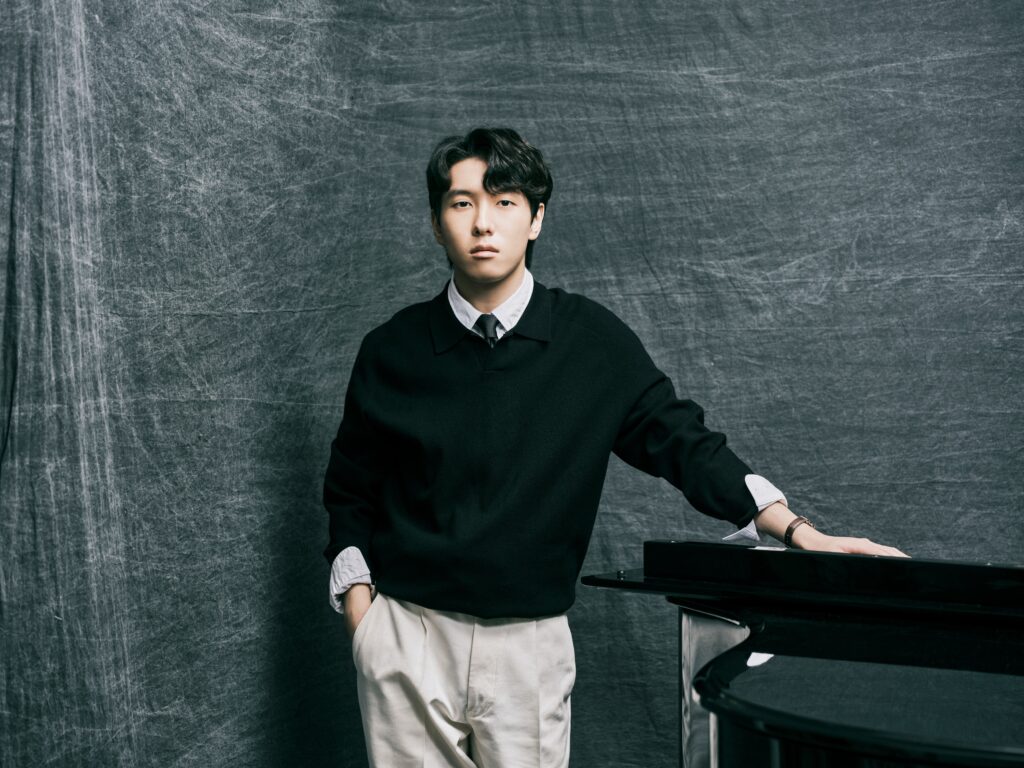
Concert pianist Inon Barnatan has become a familiar and much-loved presence at the Aspen Music Festival over the summer weeks. Here, he reflects on its enduring appeal, his longstanding partnership with the cellist Alisa Weilerstein, and life as a music director at his own festival in La Jolla, California, later this summer
Stories: Inon Barnatan
Share: 


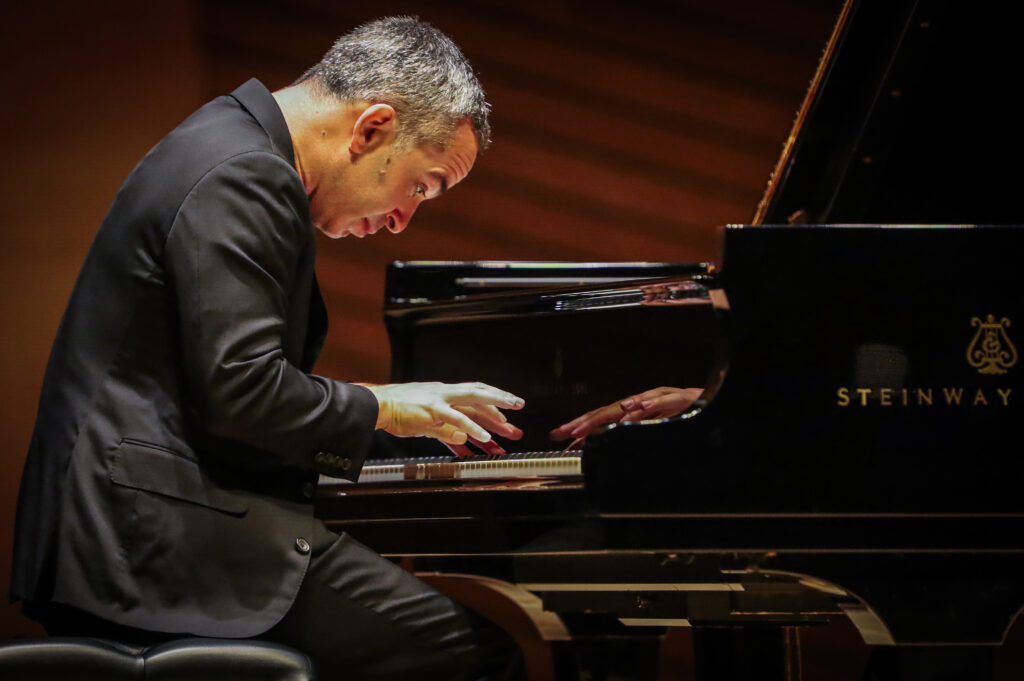
I’ve been coming to Aspen for the better part of 20 years and I absolutely love it. The location is famously gorgeous, but over the years the festival has also reached a point in which it’s become one of the most adventurous without being self-proclaimed adventurous or focused on contemporary music or anything like that. It’s the scope and the freedom of the projects they allow artists that makes the festival almost unparalleled.
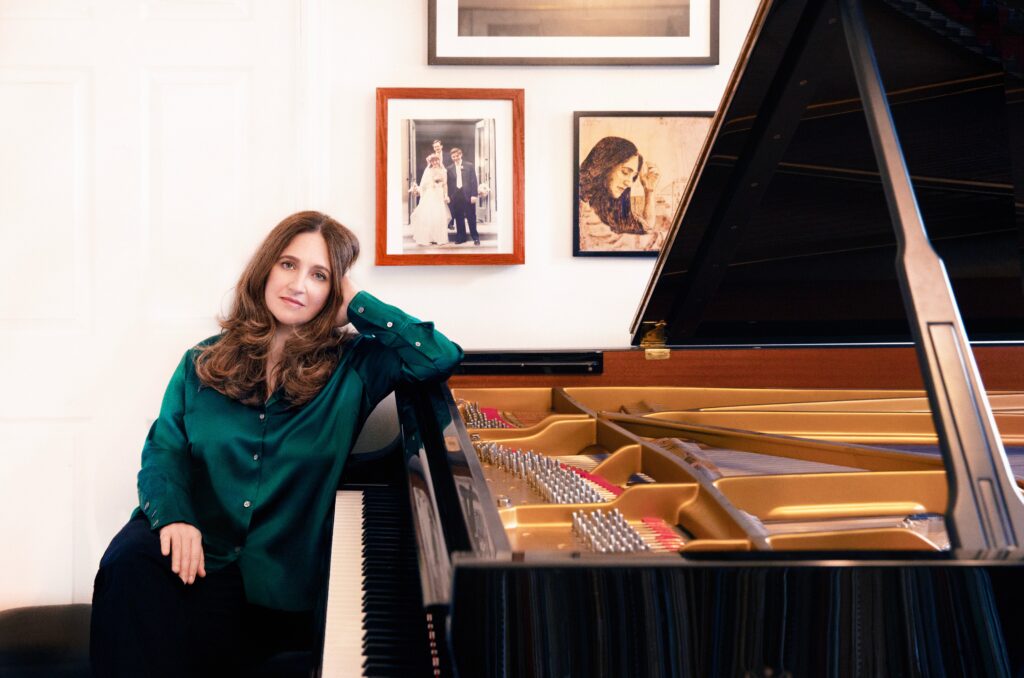
This year I’m giving two concerts, one of which is with the cellist Alisa Weilerstein. We’ve been duetting for almost two decades. It’s not a very romantic story; we both shared a manager – and still do – who at that time was Pat Winter of ICM and she said to both of us, “I really think you should play together.” I wasn’t looking for any kind of musical partnership and nor, I think, was Alisa but we trusted her, so I went over to meet Alisa, who was living in Boston. We read through some music and it was just electric and instantaneous and it was obvious from that moment we were going to play together. We probably wouldn’t have guessed we’d still be performing with each other 20 years later!
It’s such a joy to be able to make music with a friend you also admire as a musician. I feel like we push each other in different directions. When you get to a certain point in your musical life, once you’ve stopped taking lessons, there are very few people you get real musical feedback from. It becomes a very difficult thing. String quartets can because they have each other, but as an instrumentalist, as a soloist, unless you have a very forthcoming conductor, it’s very rare to get somebody’s real opinion. So, we can actually talk to each other about ideas, about music, about each other’s playing, and really enjoy that relationship.
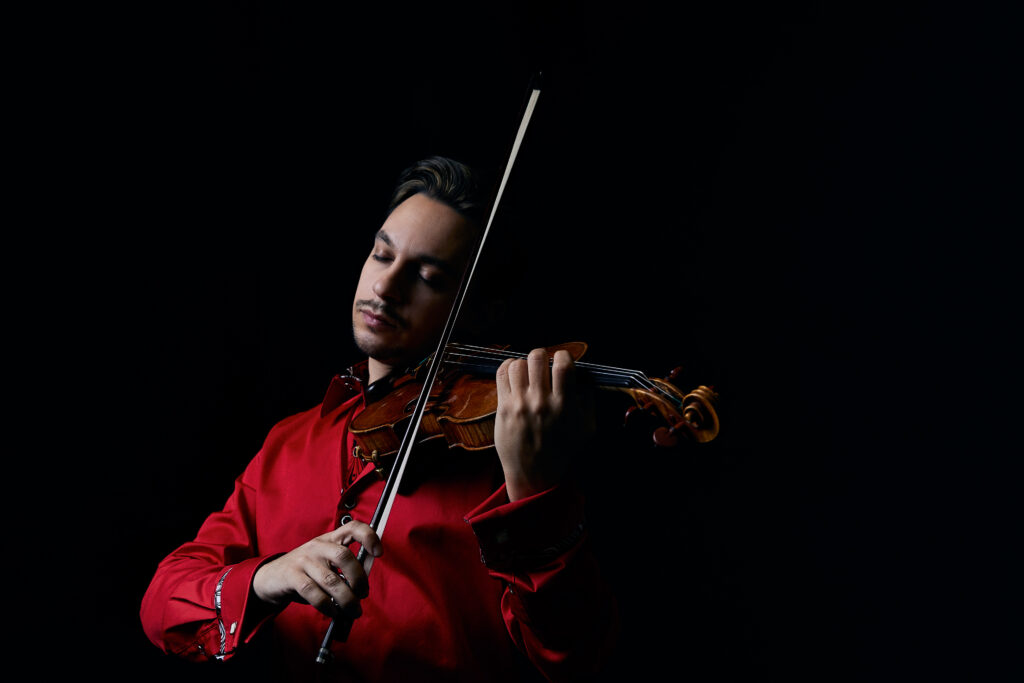
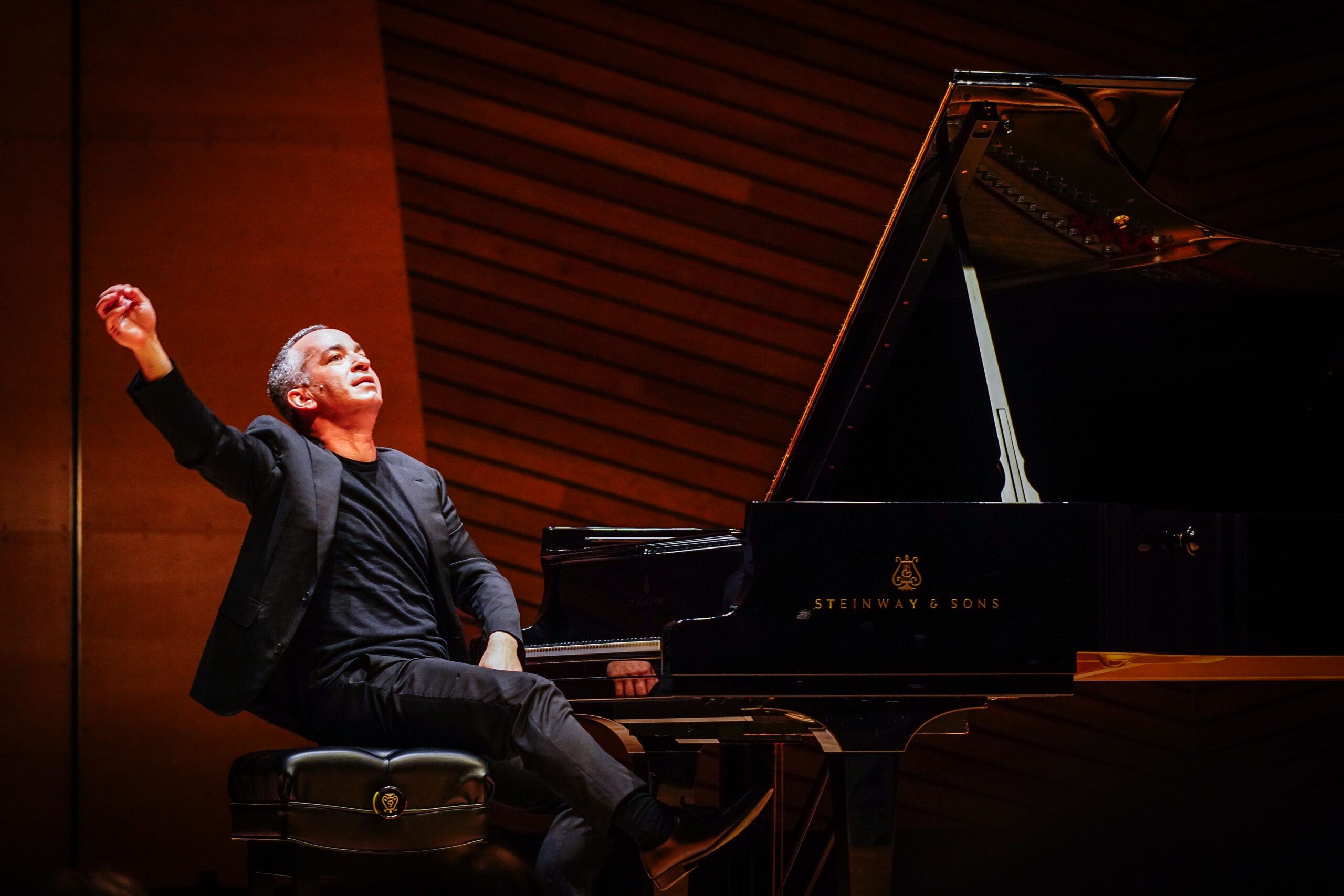 PHOTO: DIEGO REDEL
 One of the pieces we’re performing at Aspen is Brahms’ Regensonate (Rain Sonata) in G Major. Brahms wrote it for the violin but not long after, somebody transcribed it into D major for the cello. We had plans to record this version but a couple weeks before I was practicing it and I just didn’t like it, it felt wrong. There are so many changes to the piano part, and I felt it was too virtuosic and high on the cello. If you hear Brahams’ original, even on the violin there is something very deep about this sonata. I think a lot of it is in the lower range of the violin because it does seem to have this kind of depth. So, I texted Alisa and said, “what do you think about doing this in the original key?” She said, “let me look at it,” and half an hour later she was like, “let’s do it.”
Our main goal was to leave it alone as much as possible; we don’t need to help Brahms. There were moments where we made decisions of register both for cello and piano but most of it was left intact so we could deliver it as faithfully as possible to the original. The fact that it was being played by the cello and therefore, lower, revealed a different aspect to the piece.
After Aspen I have the Summerfest at La Jolla in California, where I’ve been the music director since 2019. I think a 21st-century musician can’t be a plug-and-play performer anymore, just going out on stage and playing the same pieces. We’re all getting more interested in the three-dimensionality of what it is to be a musician; to be a programmer, a collaborator, and going beyond simply choosing the best players and music. So, at Summerfest I’m involved in things from the lighting to everything that a modern concert needs to get people out of the house.
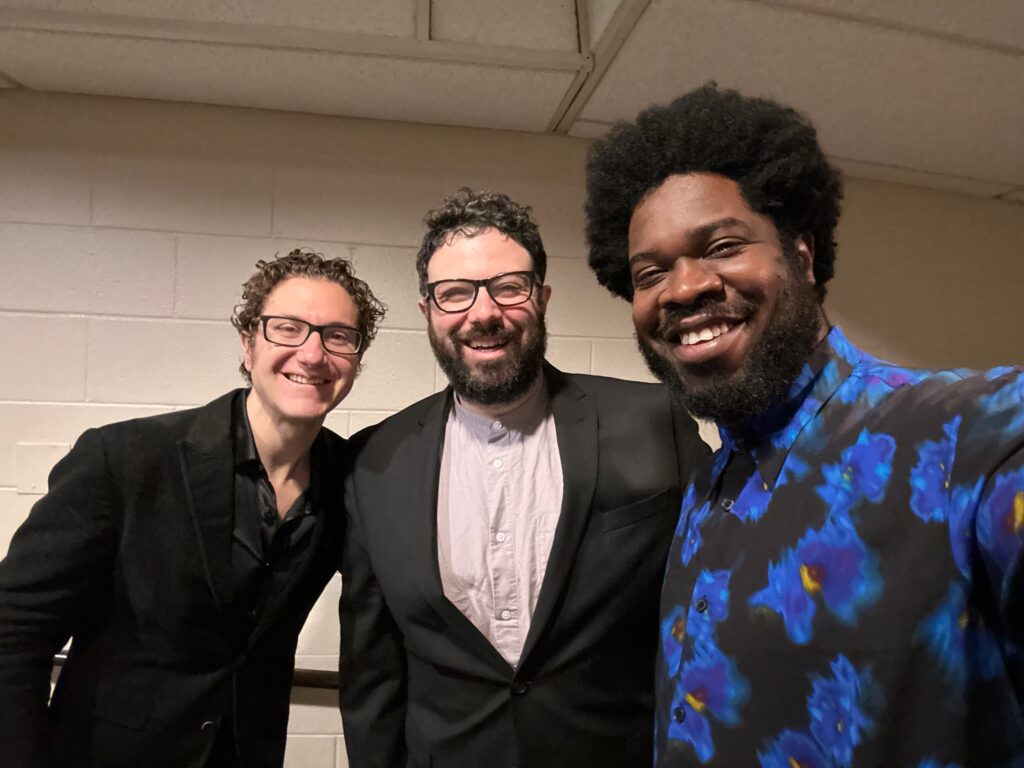
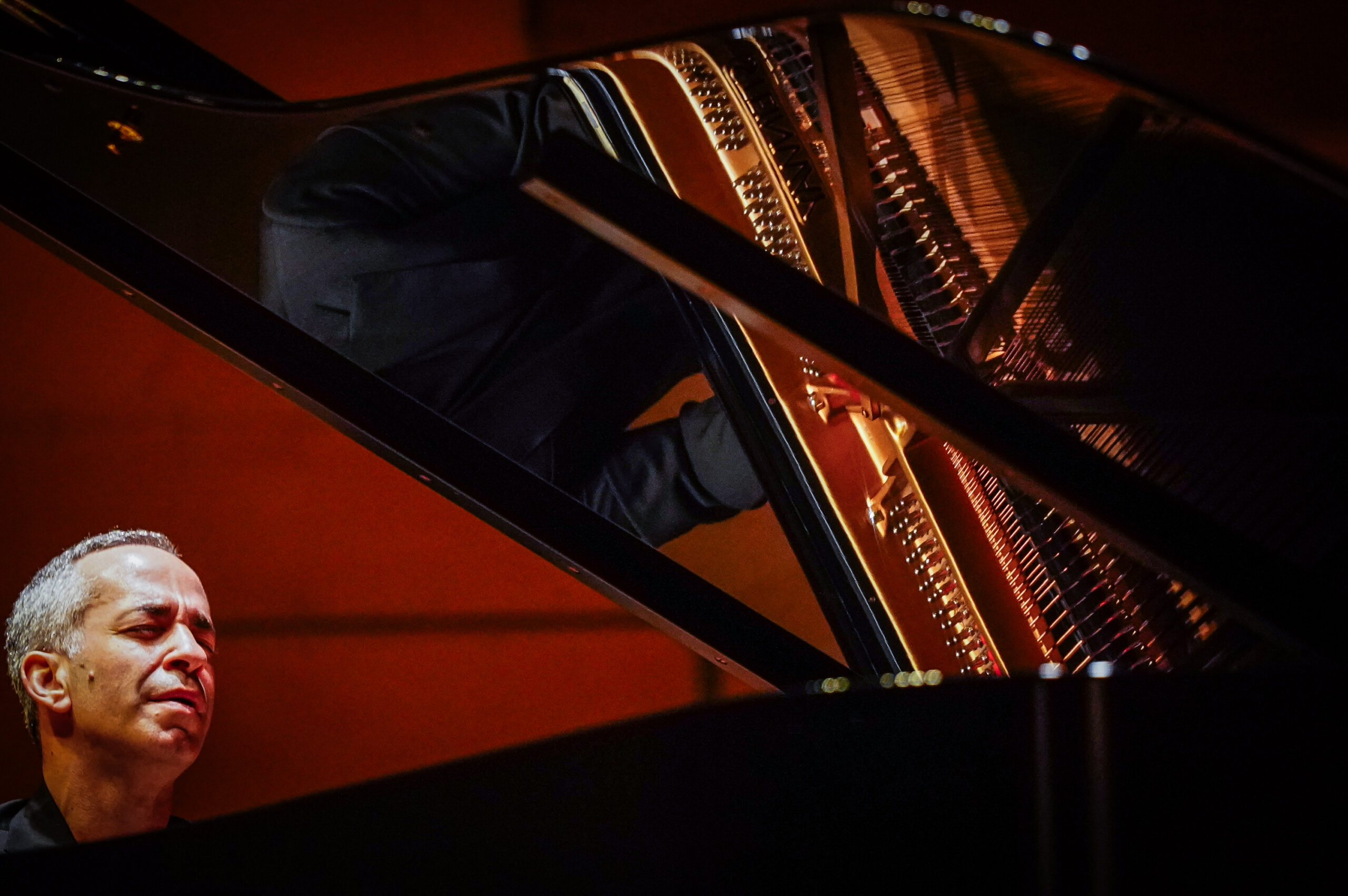 PHOTO: DIEGO REDEL
 As it’s Summerfest’s 40th anniversary and the 250th anniversary of the United States, I wanted a theme for the festival that felt celebratory but also said something about the making of history. An idea came to me to start the festival with a musical survey of a ridiculous and unachievable scope called, The Incomplete History of the World in Ten Pieces. It’s mostly about how composers evolved with the history of the world, from being incidental to Shakespeare, to being the Wagner model of the God Almighty composer, to Bernstein as the unifying melting pot.
There were obvious pieces I felt we had to include, like Stravinsky’s The Rite of Spring, or Beethoven, and to be sure they were feasible in a chamber setting. We start with a vocal piece by Hildegard of Bingen from the 11th century. I’m hoping this idea has a life beyond because I’m actually thinking about turning it into something for solo piano. That’s one of the things I love about the festival – it’s a great incubator for ideas!