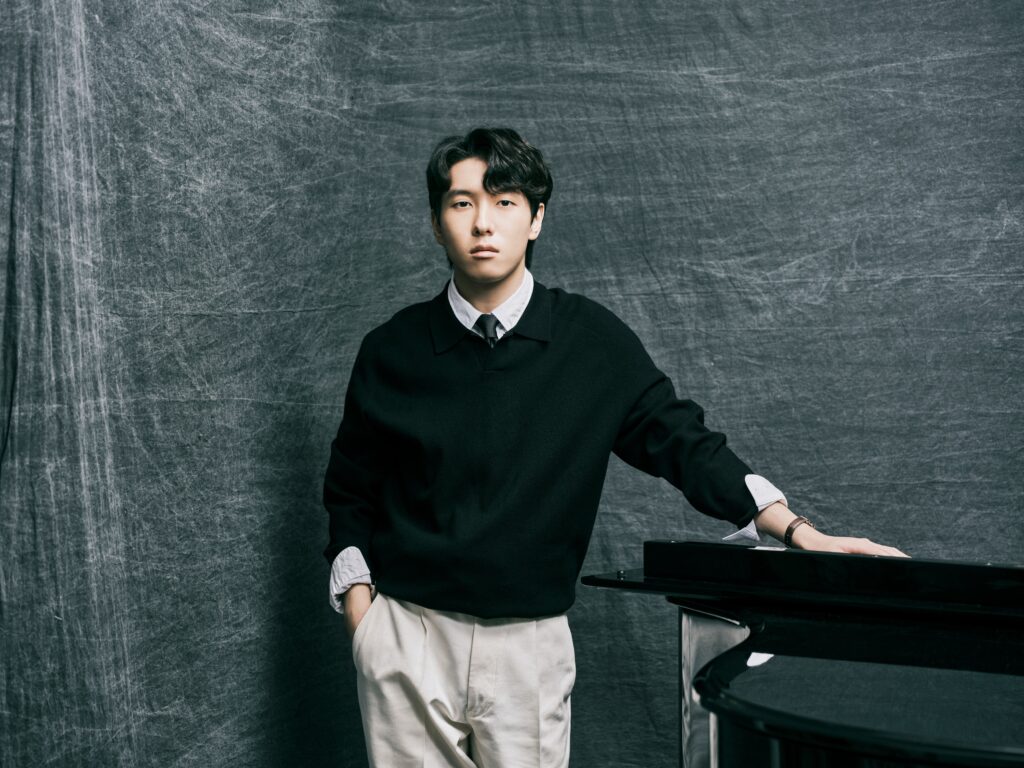
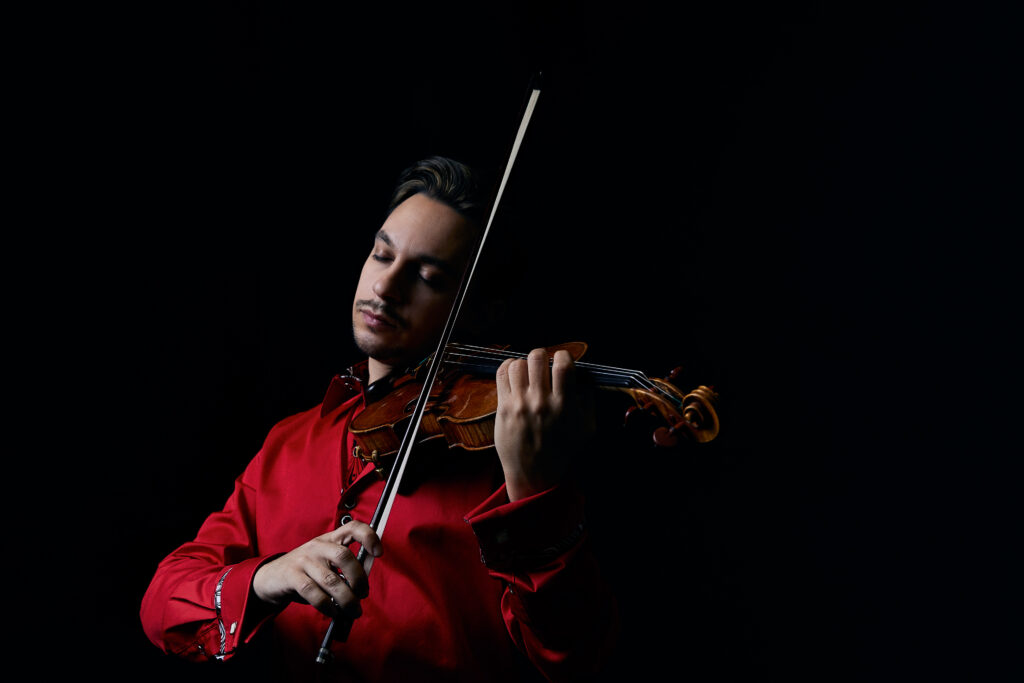
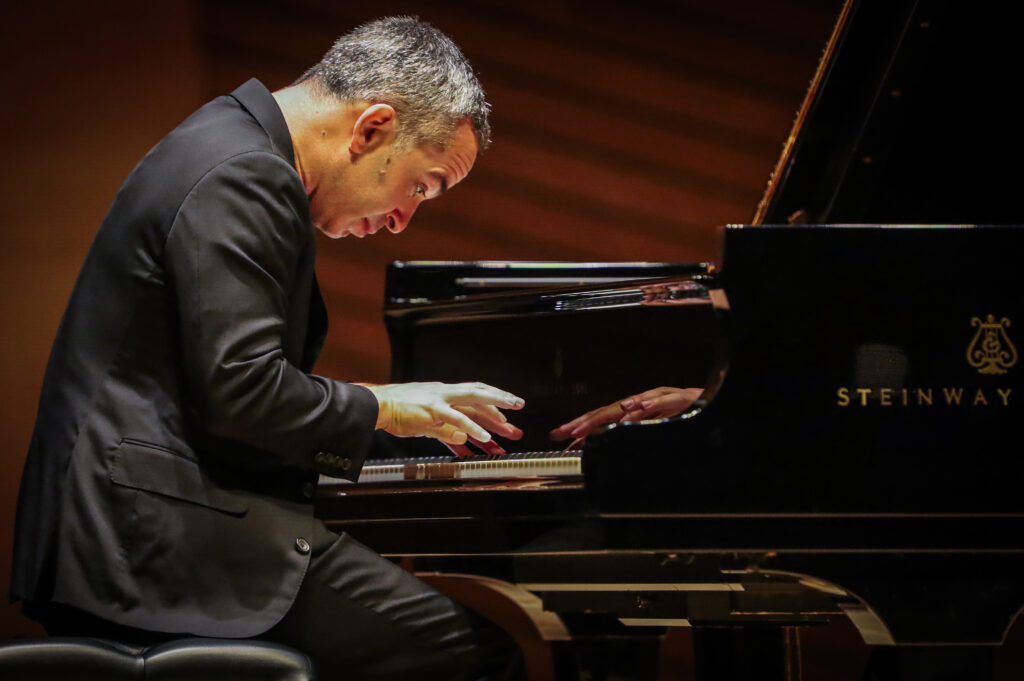
This summer the Brooklyn-based composer will be releasing The Year of Silence, a new recording with the Louisville Orchestra and Teddy Abrams, narrated by Dashon Burton and based on a short story by Kevin Brockmeier that Christopher discovered in 2010.
Stories: Christopher Cerrone
Share: 


I first read Kevin Brockmeier’s The Year of Silence sitting in a friend’s Brooklyn apartment, sifting through an anthology of The Best American Short Stories. The tale of a city that goes mysteriously quiet had qualities I’ve always been drawn to – a fantastical concept; short, numbered sections; words closer to poetry than to prose. It’s told in the first-person plural, by a mysterious “we” that feels ancient and disembodied, like a Greek chorus. It reminded me of Italo Calvino, whose Invisible Cities I’d adapted into my first opera.
But unlike Invisible Cities, this was a linear story. I couldn’t lift sections out; the whole thing moved in one direction, and the whole thing was the point. Set whole, as sung text, it would run four hours, so I shelved it. I loved it enough, though, to scan the pages and save the file.
April 2020. The hope that a few weeks of flattening the curve would set things right was giving way to a formless expanse. I needed to keep busy, so I was digging through my hard drive for something to read, and I found the PDF file.
The story read completely differently. The premise that had once seemed elegant now felt like a way to document something both surreal and impossible to fathom, yet utterly mundane from moment to moment.
Something had changed in me, too. I’ve set texts to be sung since I started composing – words and music have been inextricable for me from the beginning. But my recent work had pulled me toward the spoken voice. In Beaufort Scales, for eight treble voices and electronics, I set the words of the wind-force scale and threaded interludes with narration between its steps – texts about water, including a passage from Anne Carson’s Plainwater about a rainstorm in Burguete.
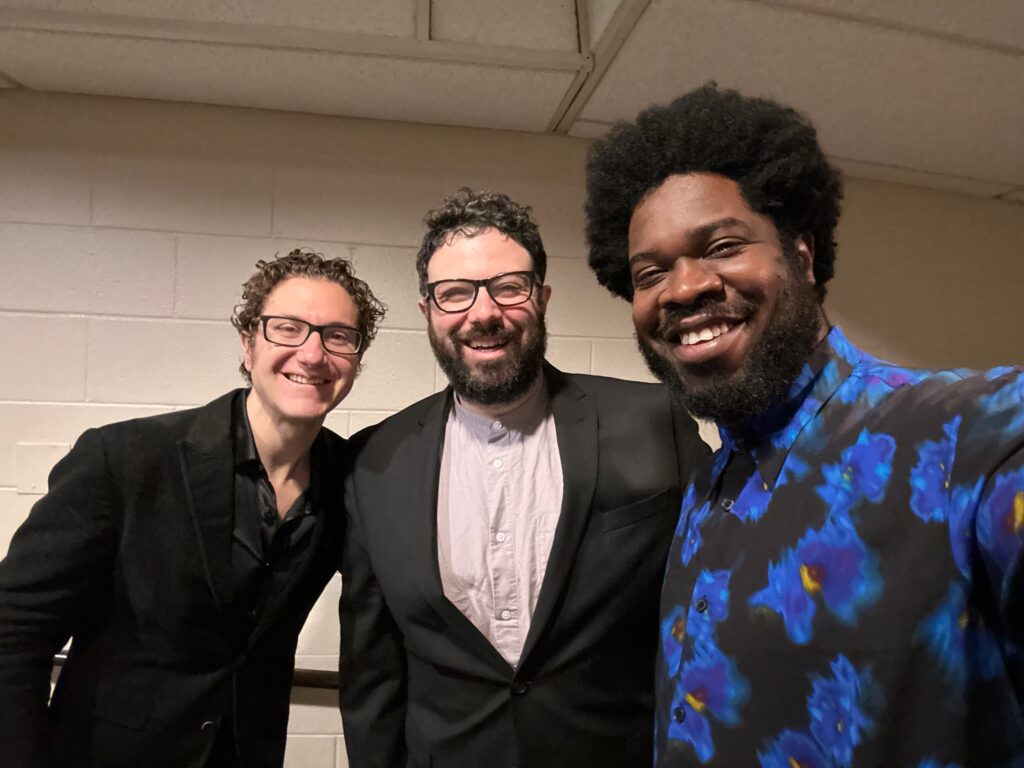
Those narrated interludes unlocked how to adapt The Year of Silence: it wasn’t a story to be sung. It was a story to be spoken, carried by a narrator with a beautiful voice. I wrote to Teddy Abrams, a dear friend and ongoing collaborator. He wrote back almost immediately, having already decoded the puzzle at the end of the story; and we – along with my friend Dashon Burton, whose voice, sung and spoken, I love – were off to the races.
In composer-time, the project came fast, but that still meant a few years – you can’t simply will an orchestra piece into being – and for a long stretch there weren’t even any orchestra concerts to write it for. But my focus on the moment held. That same summer, Caramoor Center for the Arts had scheduled the livestream premiere of Don’t Look Down, with Sandbox Percussion and pianist Conor Hanick, so I took it as yet another chance to document the world directly around me. The third movement of that piece opens with the metallic clatter of a construction site – the first sounds to return after the city had shut down – and is named Caton Flats, after my Brooklyn block.
The Year of Silence effectively picks up where that movement leaves off. Not just prepared piano and drums conjuring construction, but trombonists slapping their mouthpieces, strings snapping pizzicato at the highest possible note, air pushed through the tubing of flutes – the ordinary machinery of a city, orchestrated.
But unlike Don’t Look Down, the bustle I’d embraced kept giving way to pockets of silence: quietude, observation, mourning. Beneath the mundanity was a living tragedy – I remember idly noticing that a single day that winter carried something close to the death toll of 9/11, an arithmetic too large to hold. But that scale felt wrong to write toward. No one wants to linger there, and like the worst forms of violence, it has little to tell us beyond this is bad. So I turned to the small instead: the texture of the moment, the empty streets and plazas, a laundromat that’s normally open 24 hours sitting shuttered and dark, even the liquor store on the corner closed.
The story ends the way it began: with the return of noise. Having remade the city to keep it silent, the residents let the sound creep back, louder with each new arrival, until the quiet is gone. Which is to say: even Brockmeier knew we’d do all we could to forget it. The consequences of those years still reverberate, in countless and mostly terrible ways, but the source is hidden from us – we wanted noise, not silence, to hide in. What we’ve let go of is the specifics: the rapid test, the PCR test, the Italian Green Pass I once scrambled to secure, the international contact-tracing forms. The machinery that organized whole days has simply evaporated, displaced by the next crisis, and the one after that.
That Brockmeier saw all of this in a story written years before any of us lived tells you how much a strange moment can reveal about what’s fundamental in us. Buried in his story, a cryptographer finds a message tapped out in the silences: listen well. The close of my piece answers it – a quiet dot-dash-dot, a duet between the narrator and a bass drum, sent back into the quiet. It points to something I think music can do better than any other form. It slows us down. It gives us time to be human, to linger in the things we’d rather forget.
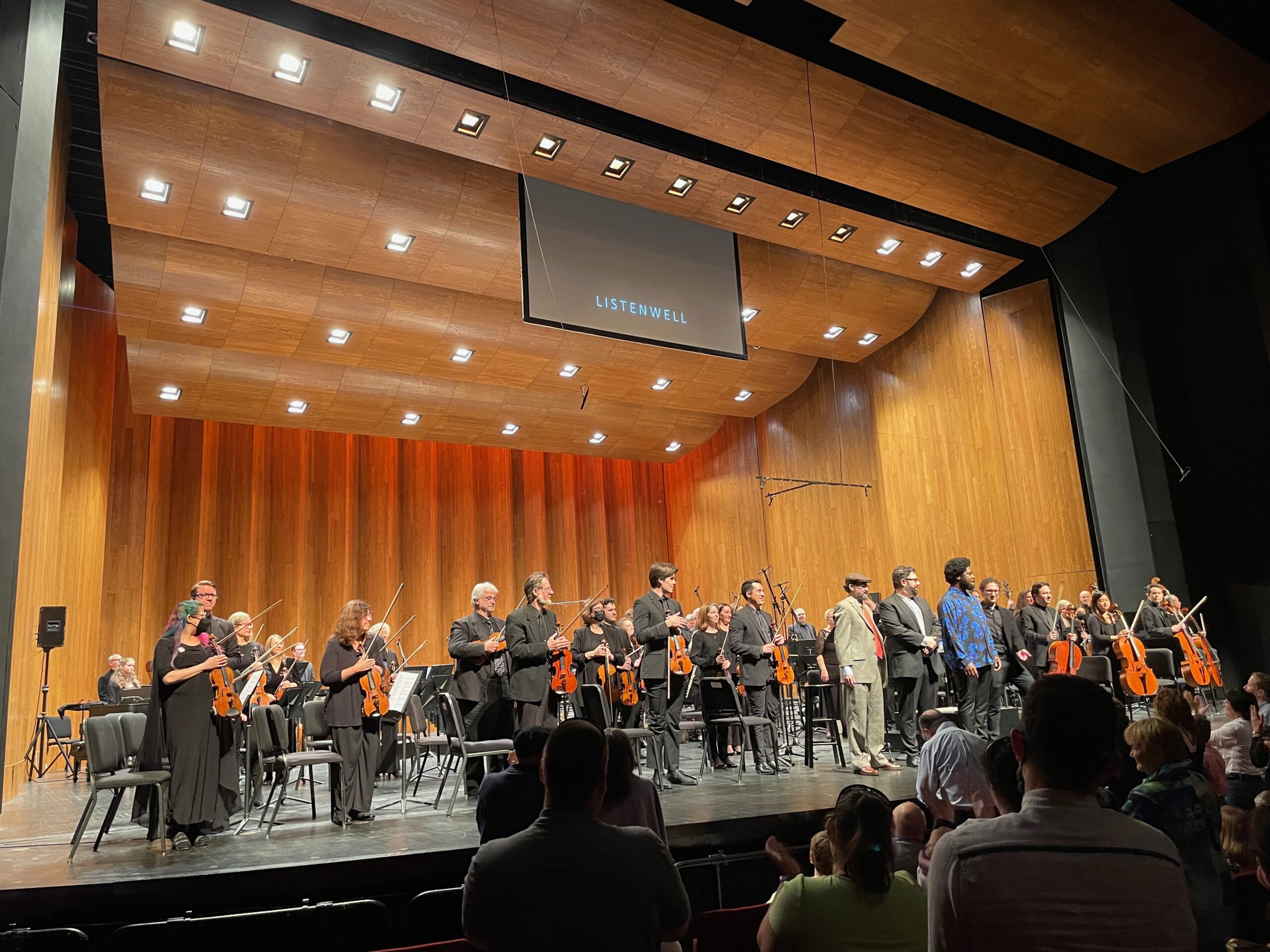
Christopher Cerrone’s album The Year of Silence, recorded live with the Louisville Orchestra, Teddy Abrams, and narrator Dashon Burton, is out June 26th on Pentatone; christophercerrone.com