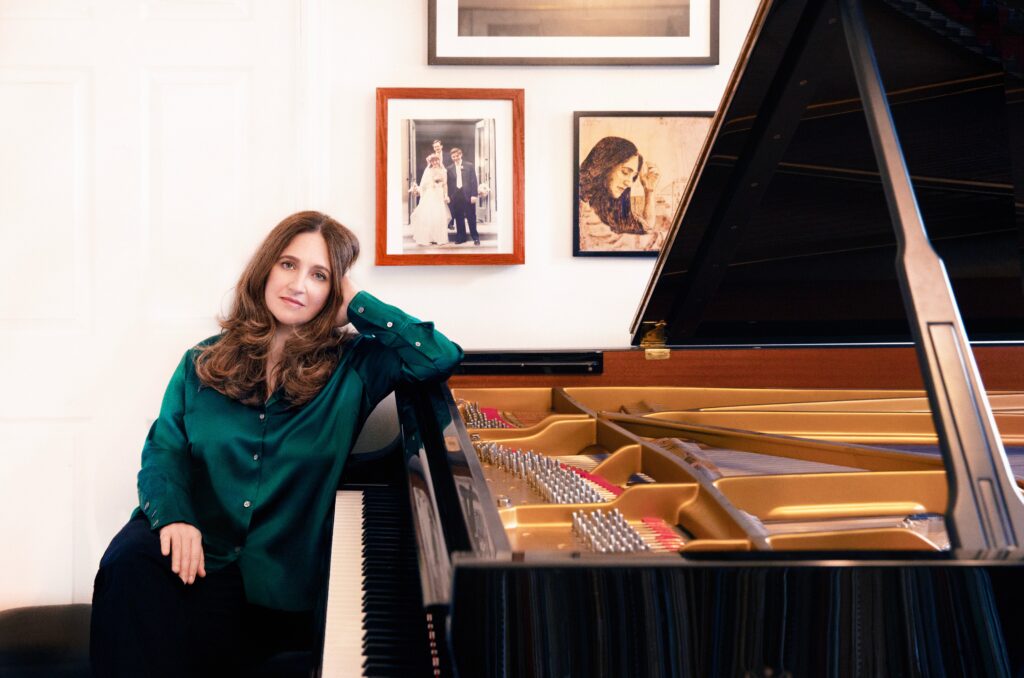
Ahead of a series of six concerts entitled FRAGMENTS, which pairs each Bach cello suite with newly commissioned work, American cellist Alisa Weilerstein recounts how the Aspen Music Festival has shaped her career.
Stories: Alisa Weilerstein
Share: 


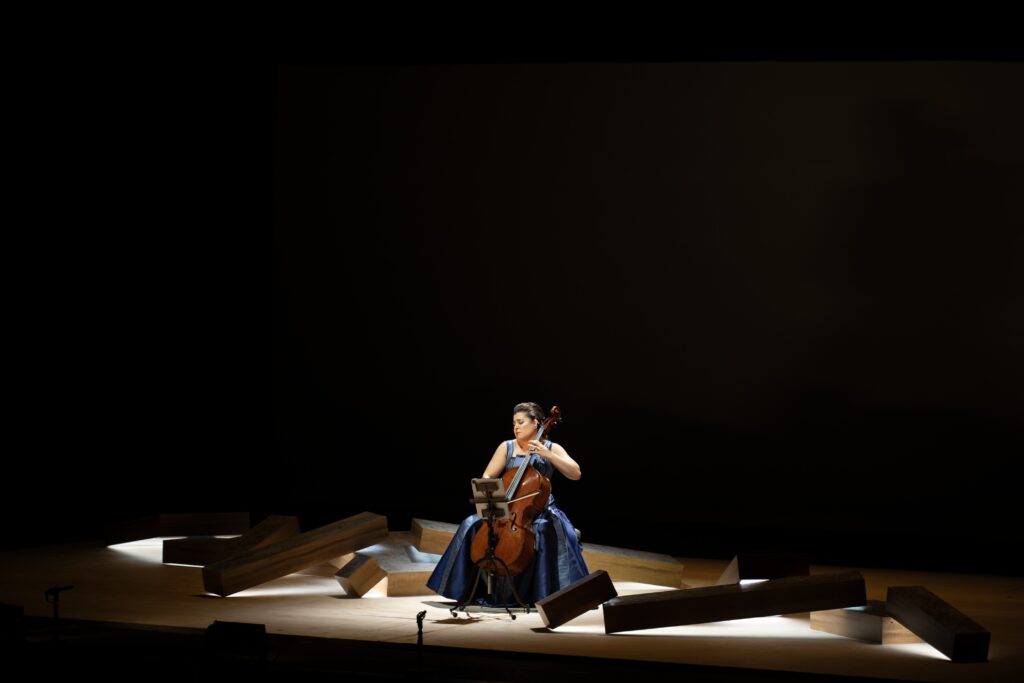
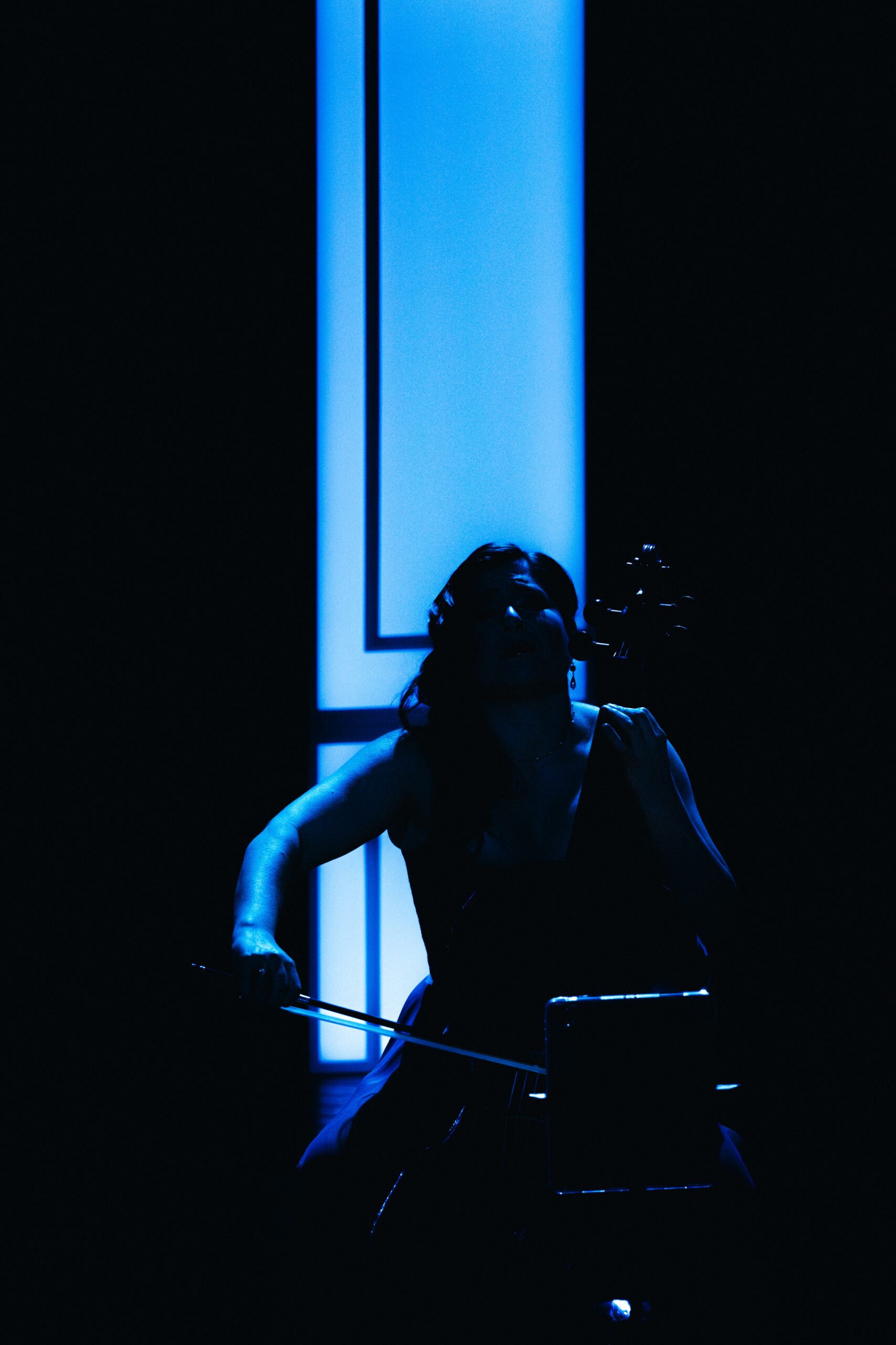 Photo: Petr Chodura
 My parents were both on the faculty of the Aspen Music Festival for 35 years, starting in 1976. It’s very possible that my first encounter with classical music occurred, while still in the womb, in the workshops and concerts of the festival. I spent every summer of my childhood in Aspen until I was 18, and from 13 onwards I became a student.
I received my first invitation to perform as a guest artist when I was 26 and, since then, I’ve gone back to the festival almost every year. It was, and still is, my second home. A place that really serves as a coherent throughline in my professional and personal life.
As I began work on a series of six concerts entitled FRAGMENTS, which pairs each Bach cello suite with newly commissioned work from incredible contemporary composers, it felt natural to make Aspen an essential part of the creative process. We did our first workshop of the first two programs in San Diego in the spring of 2022, right after our second child was born. Then, in the summer of 2022, just as the pandemic was fully waning, we travelled to Aspen to really refine these first two programs.
I emphasize “we” as this project is truly collaborative – not only between me and the composers, but the team (Elkhanah Pulitzer, Seth Reiser, Molly Irelan, Hanako Yamaguchi, and Will Knapp) that has made FRAGMENTS a true gesamtkunstwerk. Although the project was intended, as its name would suggest, to embrace surprising moments of contrast, the boldness of this contrast had to be tempered with a coherence between the visual and the auditory.
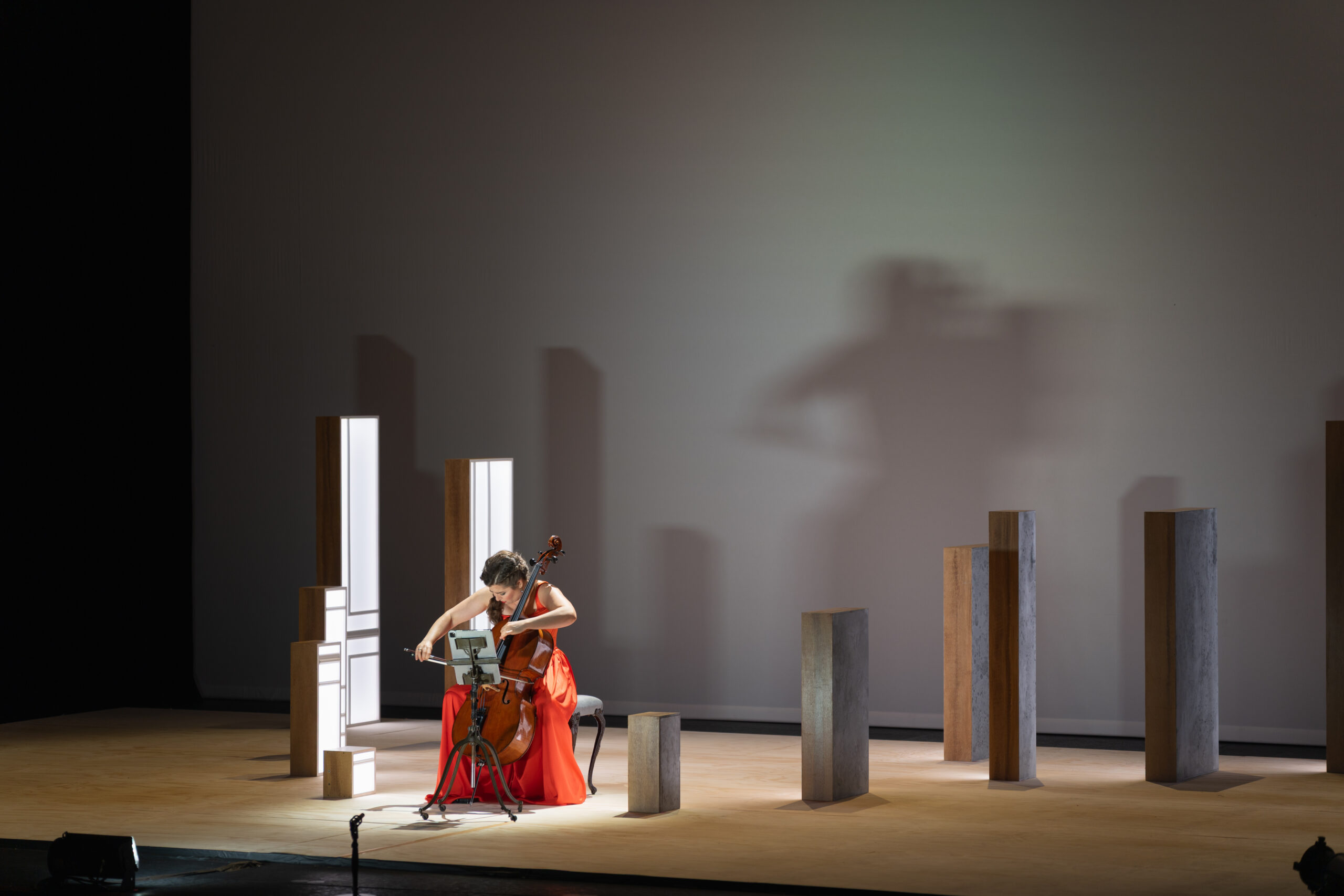 Photo: Mike Ledford
 While I was learning the music, even before everyone got together in person, I would make simple iPhone recordings and send them to Elkhanah and Seth. They would start to create images in their minds based on what they were hearing. So, every visual element you see is the result of a completely organic response to the music. That’s one reason I love working with them so much: they would never force a visual idea from the outside. Everything was developed from the inside out.
The folks at Aspen were kind enough to give us full use of Harris Hall for a couple of days to workshop, run through the material, and even hold a seminar discussion after two performances. It was a semi-private audience of about 50 people, and we performed the first two FRAGMENTS programs which totaled two hours of music.
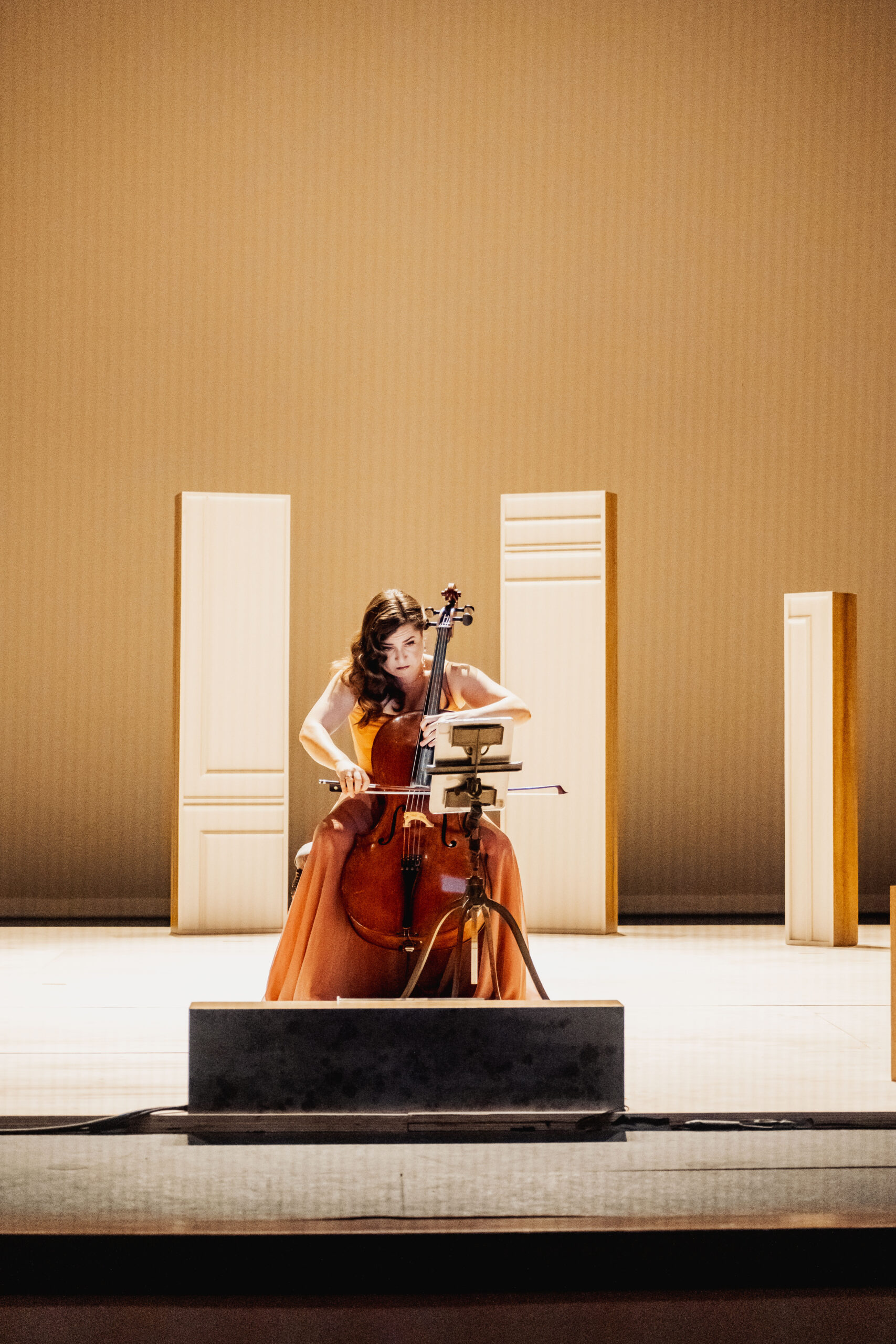 Photo: Leigh Webber
 Perhaps the biggest creative challenge for me, apart from mastering all this new material, was the decision on how to order the program. When I commissioned the pieces, my only parameters were that I wanted roughly 10 minutes of solo music, ideally in two or three movements, that could each stand alone. I told them I intended to reorder everything, and that the program order would only be given to the audience after the performance. My theory – especially with new music – is that when we come in with context or bias, we don’t really hear the music.
When people push back on this, I like to draw a comparison with the experience of museum-going. When you go to an art museum, you usually encounter the work before you read about it. You make aesthetic and intellectual judgments before your opinion is colored by names and movements and manifestos. Why don’t we do the same with music? Classical concert music is actually the only format where we practically never do that. FRAGMENTS is, in part, an attempt to change that status quo.
These creative decisions, from the visual, to the interpretive, to the programming, were joyous but also extremely demanding. It felt very fitting that a lot of these open questions were sharpened and resolved in a place I so strongly associate with my own artistic formation. The official world premiere was five months later in Toronto, but that could not have happened without Aspen’s support. It was just invaluable for us all.
Alisa Weilerstein will perform at this year’s Aspen Music Festival on July 9 and 12, 2026. See aspenmusicfestival.com for more details