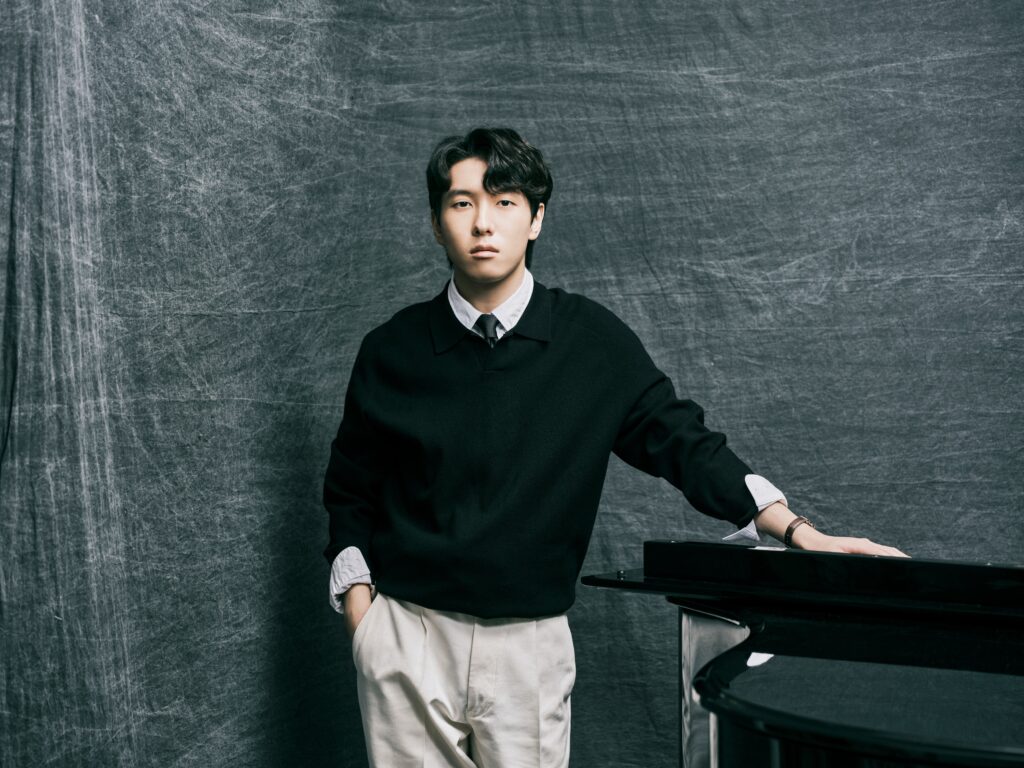
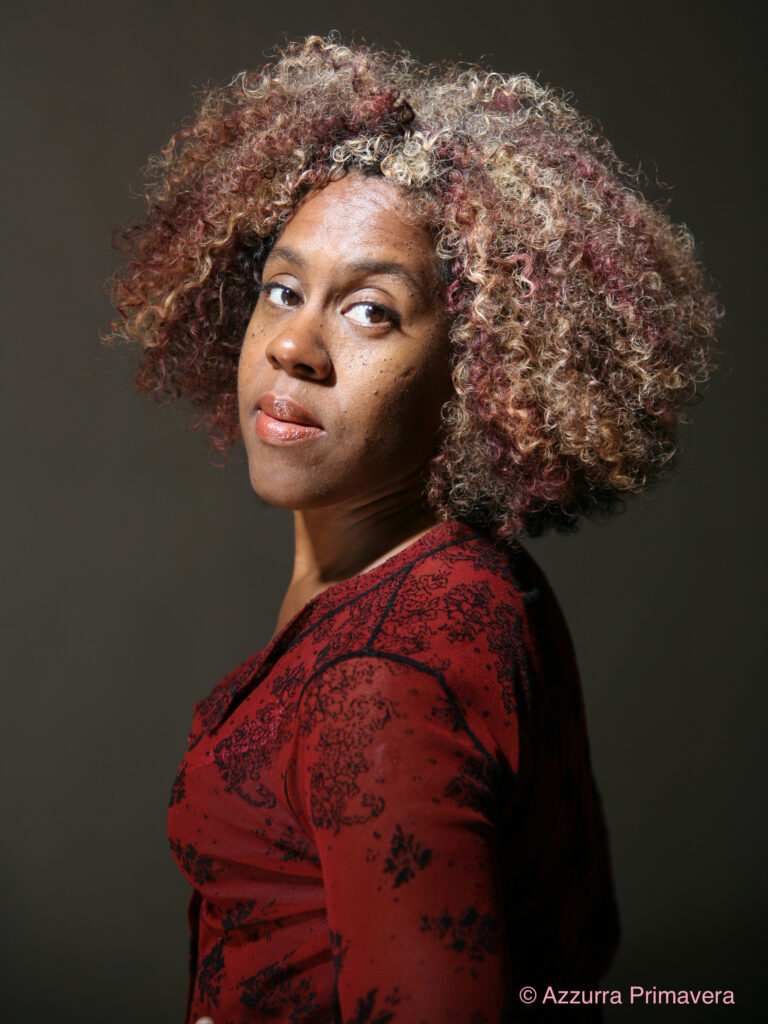
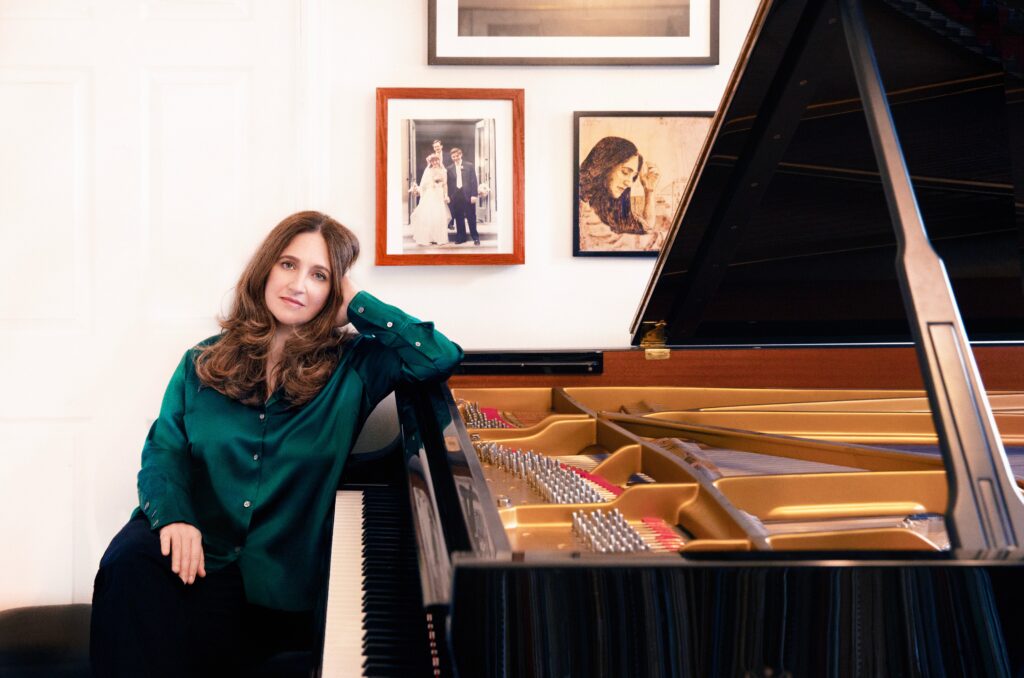
Inbal Segev is an Israeli–American cellist committed to reinvigorating the cello repertoire. Her piano trio will receive its world premiere in New York and West Windsor in June.
Stories: Inbal Segev
Share: 


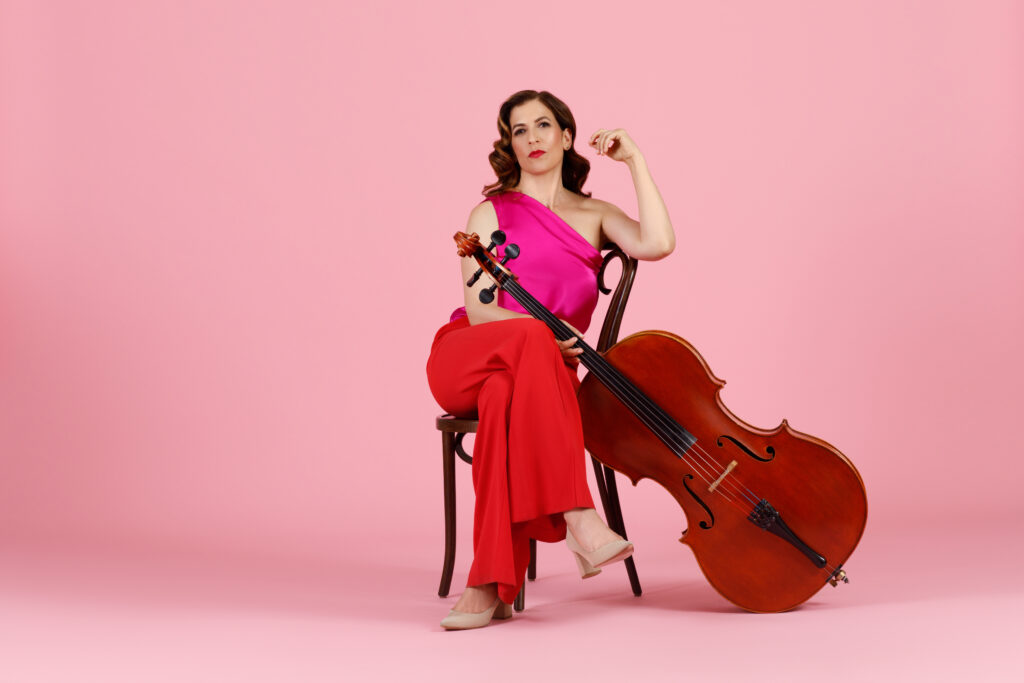
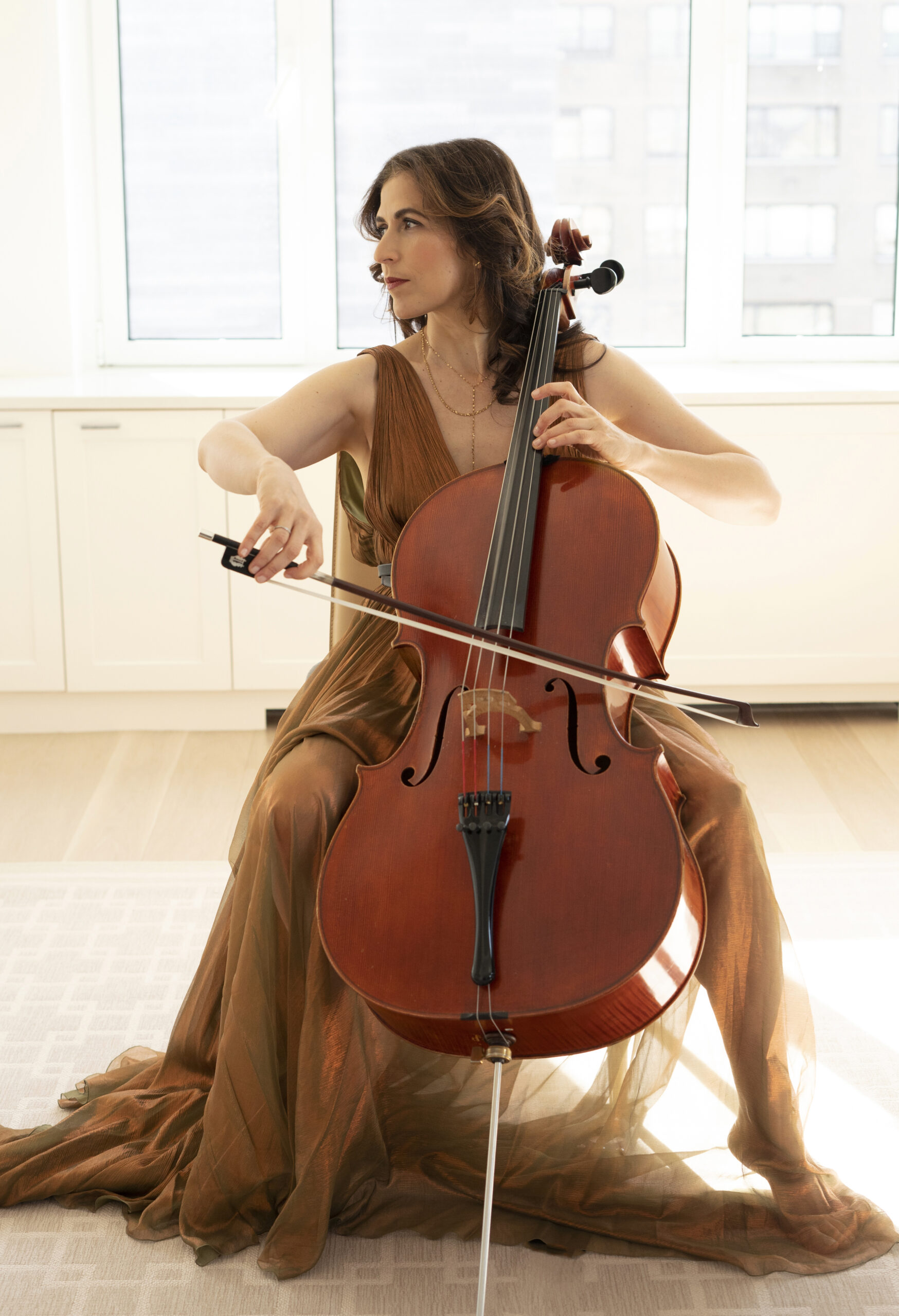
I started writing music pretty organically. It was during the pandemic, when everybody was sitting at home wondering, “now what?” I really got hooked. I think part of the reason why it came at the time it did is because I’ve been playing and performing since I was six years old. Cello is always going to be a central part of my life. In fact, it’s in my DNA, and I notice that I get depressed if I don’t play, if I don’t perform; it’s essential. But at the same time, I felt like I needed something more. A lot of my colleagues conduct or have started concert series where they’re a little more on the administrative side. Neither of those options sounded alluring to me, because I’m an introvert. I like to work alone, and I really enjoy writing, it turns out.
I commissioned a lot of works first, and then I thought… I have my own voice that I can add that will be just as valid, or just as strong. Of course, it’s still a work in progress. I don’t yet have all the tools that a mature composer has. But one of the things I’m trying to do is bring my own background – which is Israel, and being Jewish – to music, to the Western tradition. And how do I marry those elements? In Israel we have a few wonderful composers, but the audiences are not hooked on new classical music. A lot of the Israeli composers I grew up listening to were mid-20th century and tonality was out the window, and things are very hard to listen to. I think now that we’re in a post-minimalism era, pieces are much more tonal and approachable. And there’s also the crossover with the pop world where anything goes. I really want to find something that will be accessible and yet still has the classical music depth and complexity that I love.
When I write, I try to have a symbiosis of a lot of different genres and styles. I love Schoenberg before he developed 12-tone serialism. I love the chromaticism of the late 20th century. I also listen to pop and jazz a little bit, and sometimes I get some influences from there. I think electronic music is cool, too. I don’t know if writing for movies is my vocation, but I certainly enjoyed the writing I did recently for a 15-minute short film.
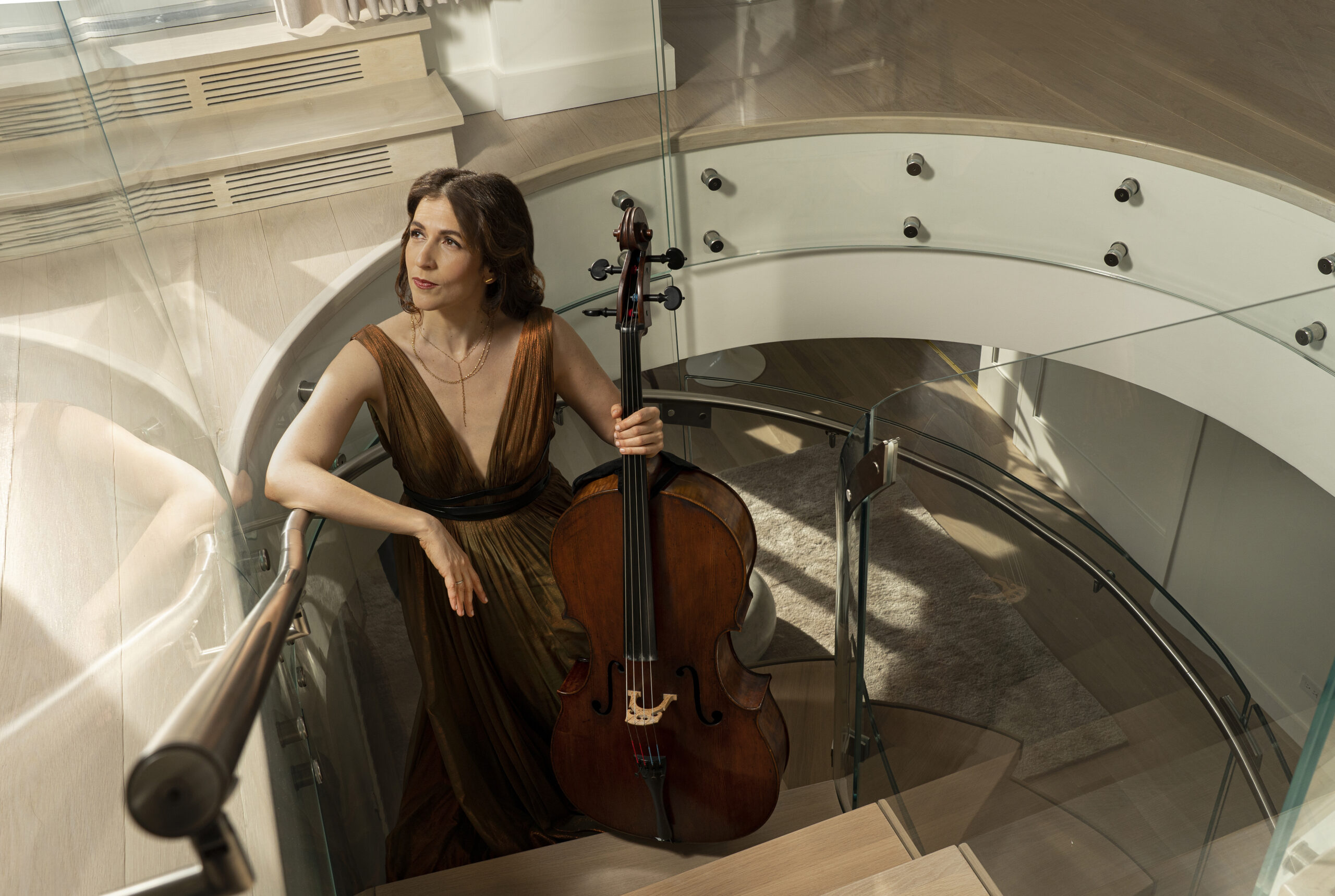
There’s so much that’s been written for cello, but now I’m trying to bring in the Jewish-Israeli tradition of my background. In my piece Postcards to Jerusalem, the second movement is based on a folk song we love about Jerusalem. The opening of the concerto, the first theme, is inspired by an Arab–Israeli composer. I like showing different sides of Israel. In the piece, I also use a scale that’s called the double harmonic scale, which has that very Middle Eastern sound often associated with Jewish music, or some iteration of that scale, but again, my music is rooted in the Western canon. It was a challenge. I use some instruments that are Middle Eastern, like the doumbek. I use the violins, pizzicato, and violas in a way that can sound like an oud, which is also a Middle Eastern instrument. When they start, the musicians put the instruments (violin, viola) on their knee, and they alternate pizzicato with arco.
One of the great silver linings of becoming a composer is how much it has informed my playing. Harmony and analysis were never things I loved, and I still don’t, really. I do a lot by ear, but now I understand more. There are things about structure that I see better when I play now. I used to be a little more vague about where things come and go. It really helped me interpret other people’s music.
I’m very critical of my own works, to be honest, but I do love to play the very first piece I wrote. It’s a cello quartet, and I recorded it with three wonderful cellists, and I enjoy listening to it. I’ve performed it a few times. I also recently wrote a piece for a woodwind trio, which premiered in February, and I think that’s one of my best pieces so far.
It’s a little nerve–wracking to sit in the audience and listen to your composition being performed instead of being on stage. You want the players to do well, and you want the audience to enjoy it. And if the reception is lukewarm, you take it personally. Is the music just not good enough? Or is it just too complicated? How can I make it more accessible? And then, if they’re happy, of course, you’re very happy. Still, it’s very exciting to hear your music played by other musicians. You have this perfect idea in your head, and it’s not always perfect, but hearing it live is incredible. It’s like seeing in color after you’ve heard the computer play in black and white. To see how musicians decipher the code – and to see if I wrote it clearly enough that they can understand it – it’s amazing.
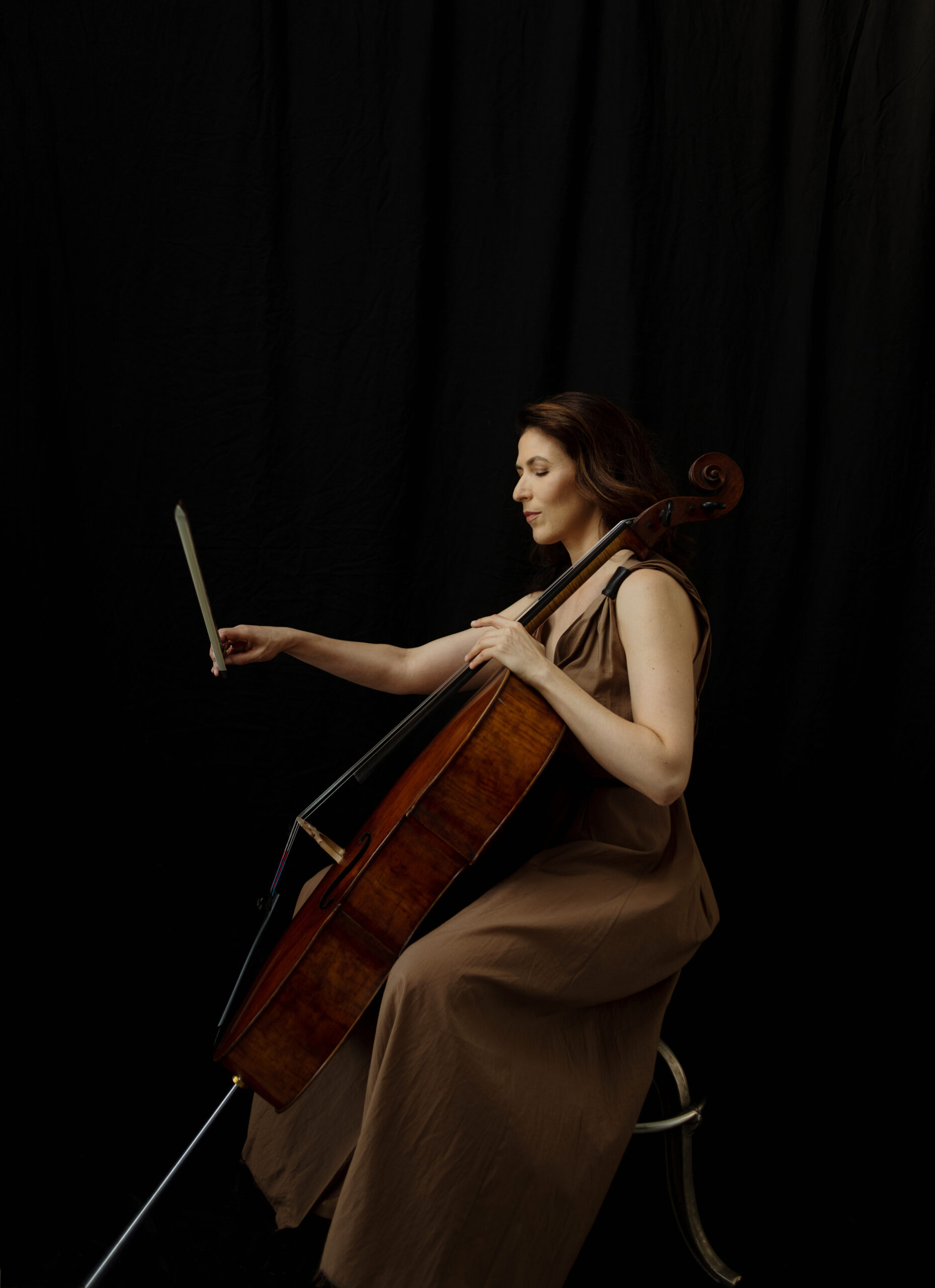
I’m constantly taking courses and studying. Right now, I’m taking a course on harmony at Berkeley, just refreshing some things. They have a lot of jazz-related harmony there. It’s a little bit out of my comfort zone, but I love learning new things. Hopefully I’ll just keep growing as a composer. I think my two paths converging would be ideal, because I do love playing new pieces, but I think that playing my own pieces is a different kind of fun, very satisfying, very fulfilling.
If I were to give advice to a musician who wants to begin composing… First of all, there’s so many of us, which you don’t know until you start writing. I thought, there’s a lot of cellists, but there’s a lot of composers, and it just shows that that’s another language that people love to express themselves in. I think if somebody wants to compose, you have to just do it, obviously. And then the more you do it, the better you get at it. You can’t get better without doing it a lot, every day. When I learned the cello, I almost never skipped a day of practicing. Now I do, occasionally, but when you’re building your technique, you must be persistent, and that’s the thing that has basically helped me most in my life: just not giving up, showing up again and again. It can be a little boring sometimes. I always thought that composing is, you know, Beethoven sitting at his desk, inspiration flowing from his head to his pen. But I realize now that it’s just like playing the instrument; you learn and you hone your craft, and there is a craft, not just an art, and the craft requires a lot of work. There’s a process. It’s not just inspiration.
I see it with jazz musicians. They speak that language because they’ve been immersed in it since they were very young. They’ve been doing it every day. They’ve been playing and practicing and hearing those chords and tweaking those chords, and there are no shortcuts. I’m immersed in the classical tradition, so that comes much more naturally to me because I live in it. But there are no miracles. My cello teacher used to say, “there are no secrets.” I always thought, “how does Rostropovich play like he does?” I was already an accomplished cellist, but very young. And I thought, “it’s like a miracle, what he does.” But so much of it can actually be explained. Of course, there’s genius too.
I was either lucky or unlucky in that I always needed to work hard to get good results. Yes, I have some natural talent, but like all people who are successful, it’s a combination of what you’re born with and how much you are willing to work. Maybe there are a few who don’t need to work as hard – but I don’t know them.