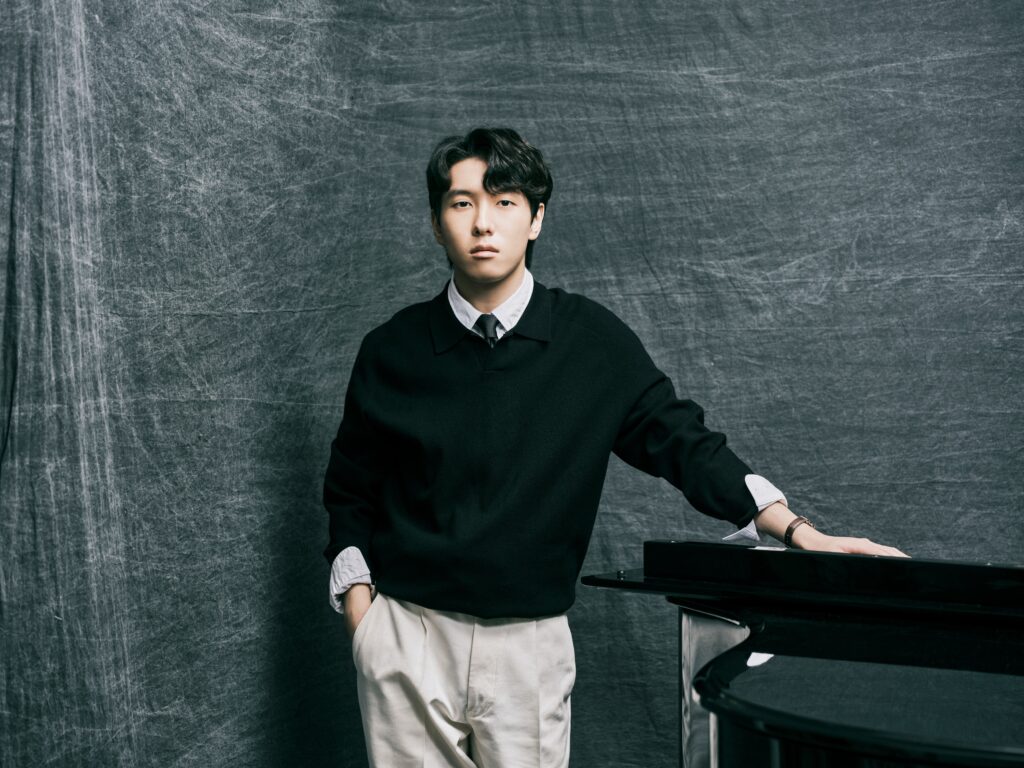
Tenor Ian Bostridge is renowned globally for his interpretations of German Lieder.
Stories: Ian Bostridge
Share: 


I didn’t learn an instrument at school, I just sang in choirs – a lot of Britten, Bach, and so on. My first encounter with Schumann was through my parents’ classical LPs and 45s. One of them had pieces from Schumann’s children’s music, Kinderszenen, performed by the superb pianist Sergio Fiorentino, that got the music into my blood.
As someone who would later perform the songs, encountering the piano music first was instructive. Schumann’s songs are as much piano pieces as they are music for voice, and the piano often completes what the voice has said.
In high school, I had a great German teacher who, in large part, taught us through listening to and reading German lieder (songs). This really marked my first focused introduction to Schumann’s songs. I’m not quite sure when I first heard Schumann in concert, but I must have been around 15. It was Dietrich Fischer-Dieskau, whose voice I had become obsessed with, singing Dichterliebe at Wigmore Hall in London.
The following year I sang the same Schumann cycle at school, accompanied by our music teacher. I had a tape of it at some point, stowed away in the attic. But since I put it somewhere very safe I, naturally, can no longer find it.
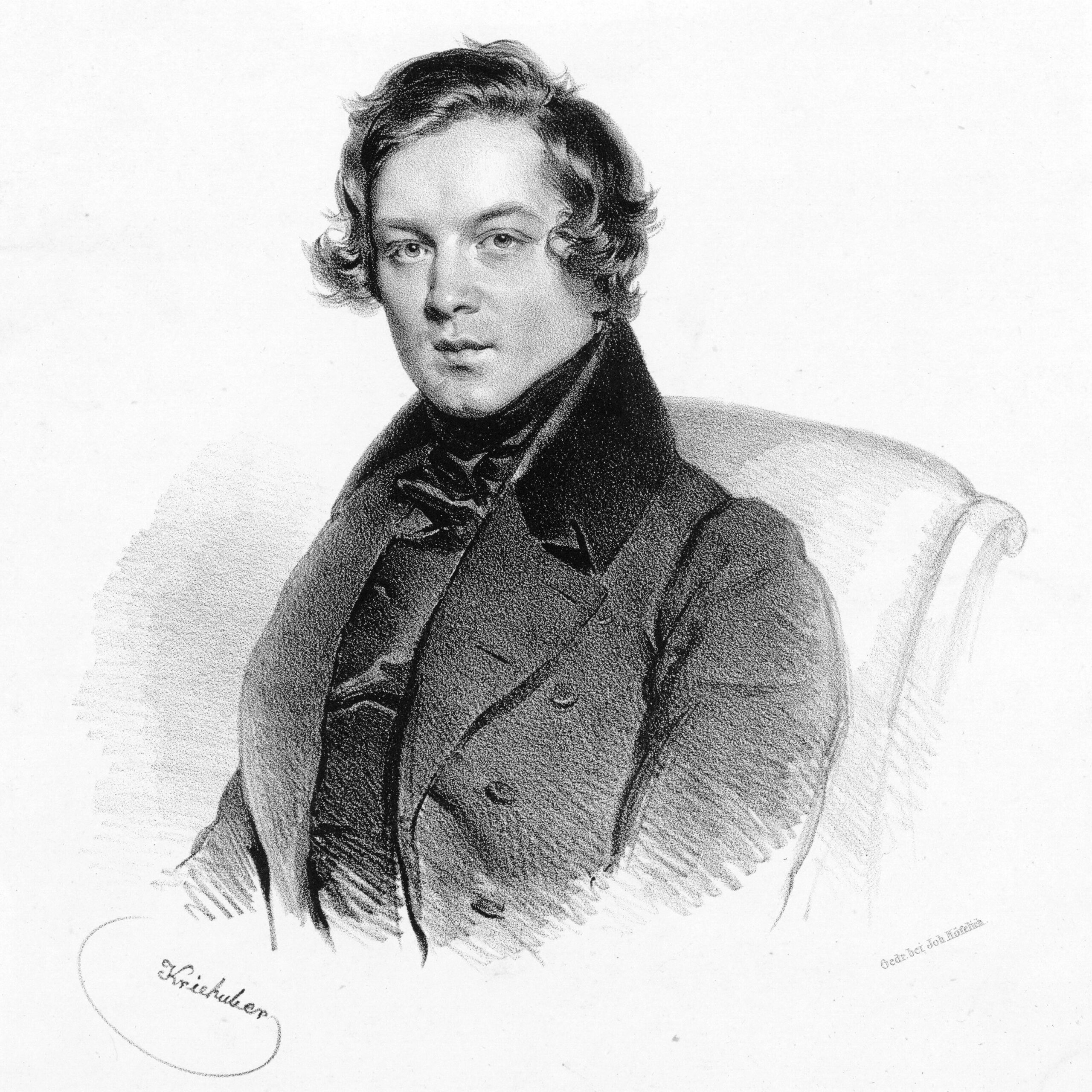
Schumann spent all his time in the 1830s writing piano music and not really touching song. Then in this amazing year, 1840, he composed more than 100 songs – all the songs we really know – as a release when he finally knew he could marry Clara Wieck, having had this incredible fight with his father.
The most well-known vocal work from this “year of song” is Dichterliebe, which I recorded very early on in my career alongside the pianist Julius Drake.
This recording, and the warm reception it received, really enabled and emboldened me to make German song a central theme of my musical life. There had always been the voice in my head which said, “The thing I really love is German song but I’m English. How am I going to make a career as a Lieder singer?”
But, after this Schumann album and a recording I made of Schubert’s Die schöne Müllerin, I got a reputation for singing German song. I could go to Germany and sing these songs for Germans and feel welcomed and accepted.
I continued to do a great deal of Schumann performances with Drake over the following years. My next recording of Schumann was with the soprano Dorothea Röschmann and the pianist Graham Johnson, where we recorded a few Schumann duets alongside songs that Schumann gifted Clara on the day of their wedding.
I continued to perform Schumann with quite a few singers, including Angelika Kirchschlager and Thomas Quasthoff, as well as pianists Leif Ove Andsnes and Lars Vogt. My recent record with Saskia Giorgini, Twilight Schumann Songs, came about from a desire to make a formal recording of songs I had been singing for a long time – centered around Opus 39 and Opus 35. I had recorded two albums with Saskia – one Schubert and one Respighi – and we both agreed that this was a perfect moment to record these songs.
Although Schumann wrote a number of songs after 1840, none of them quite have the immediacy and intensity of his songs from this Liederjahr (year of song). There is something special, I believe, about art song in contrast to other kinds of composition.
Composers tend to write songs, or at least their best songs, in bursts. Hugo Wolf, when he wrote his Mörike settings, described the process as the button coming undone, as if something had suddenly popped, and he was able to write song after song. We find that with Schumann as well – he’ll sit down and write four masterpieces in a day. They’re distilled brilliance, with material and perception worth a whole symphony, but it’s just a page. It’s incredible.
Listen to Bostridge x Schumann here