Rachmaninoff Piano Concerto No. 3 in D Minor, Opus 30
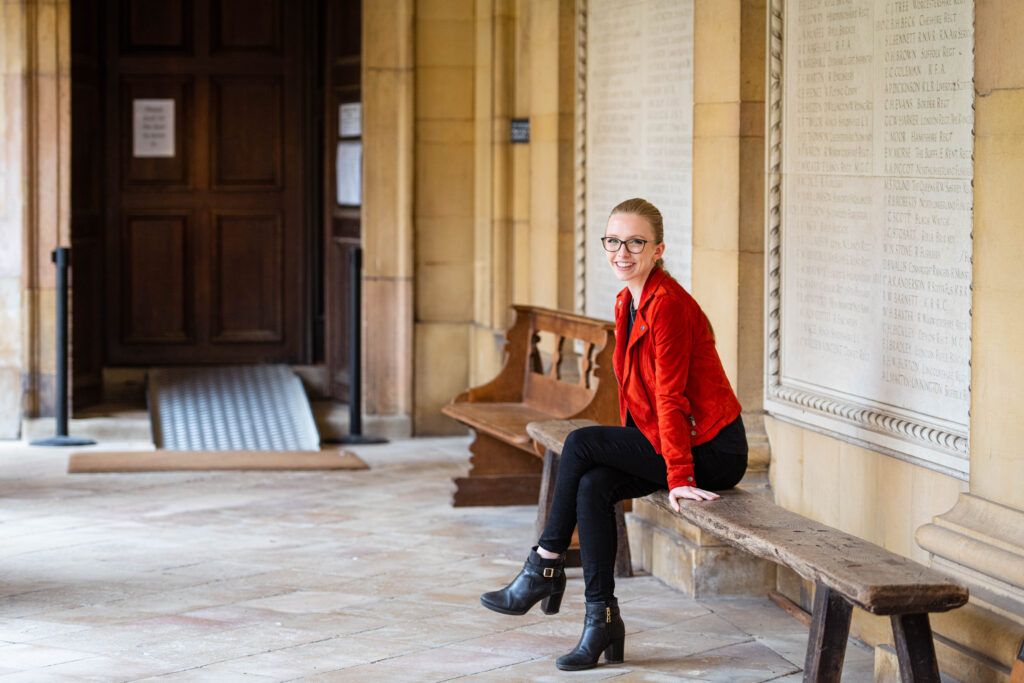
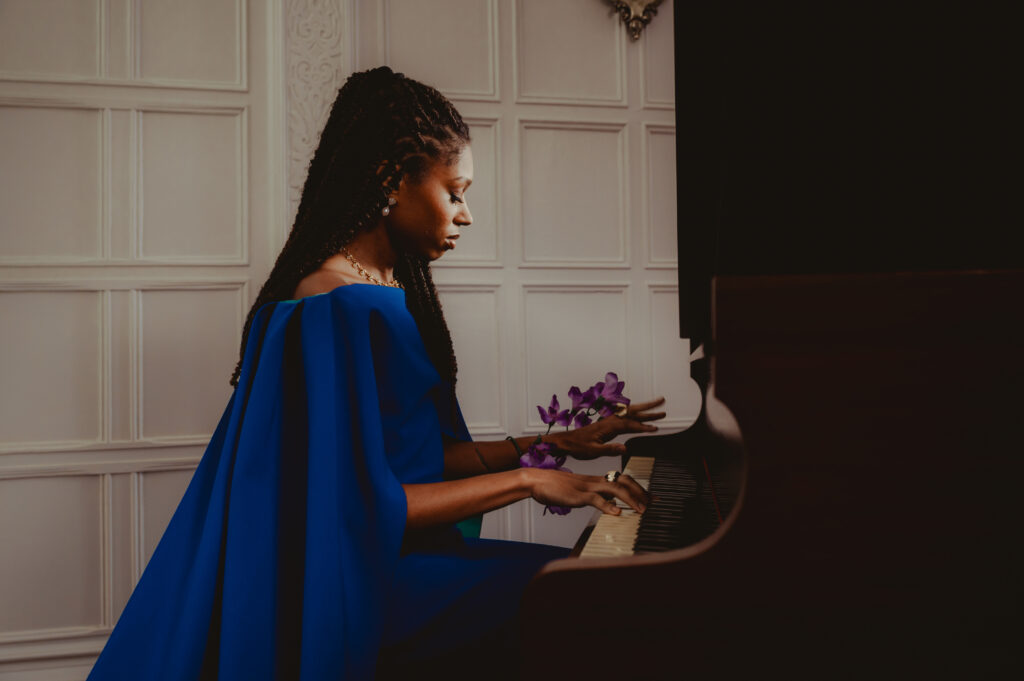
Isata Kanneh-Mason is a British concert pianist.


Rachmaninoff Piano Concerto No. 3 in D Minor, Opus 30
Isata Kanneh-Mason is a British concert pianist.
It’s between Rachmaninoff’s second or third Piano Concertos because both of those pieces have shaped me at different stages of my life, and they’ve given me so much that I wouldn’t be me without them. But… I’m going to say the Third Piano Concerto because I’m learning that now.
There have been times in the past where I have felt quite disconnected from music, or disconnected from myself, or maybe just going through a not particularly happy phase, and I’ve listened to that piece, and it’s brought life back to me. Rachmaninoff speaks to me more than any other composer. He’s given me so much emotionally; I feel like I really have something to say with his music. It’s given me a lot as a listener, and I think it will give me a lot playing it as well.
He manages to convey emotion through the harmony and the voicing; all of the inner voices, the chromatic lines in the middle will link up to what’s going on above and below, and not a single note is there by accident. And then the harmonies are so beautiful and complex, which somehow makes me feel a certain way.
“There have been times in the past where I have felt quite disconnected from music, or disconnected from myself… I’ve listened to that piece, and it’s brought life back to me.“
I just feel like I understand the different emotions in each movement quite clearly. There’s lots of joy, actually; lots of passion. There’s despair, but I think he’s rarely hopeless so even in the more mournful moments I feel like there’s always some kind of joy or hopefulness around the corner. Sometimes those things exist simultaneously as well, which I think is very special.
I’ve been listening to a lot of different recordings of the piece recently and I was having this conversation with my dad, because we were trying to find our favorite one. We both agreed that Vladimir Ashkenazy does the best second movement, but Yuja Wang has our favorite first movement. Vladimir Horowitz also has an amazing second movement. The third movement, I’m not sure, I’m still dabbling between some people, so I like different pianists for different reasons.
I’m still in the note-learning process. At the moment, I don’t think the notes are particularly difficult to learn, I think it’s more that there’s so much music in each bar. Getting the notes under your fingers is one thing, but then getting all of the voicing accurate and clear is another. It’s one of those pieces that the initial learning might feel OK, but then it’s going to go through so many mutations that I kind of want to give myself months and months to go through all those stages. So it needs time, which doesn’t necessarily mean it’s difficult. If I had to learn it in a couple of months, then it would be extremely difficult.