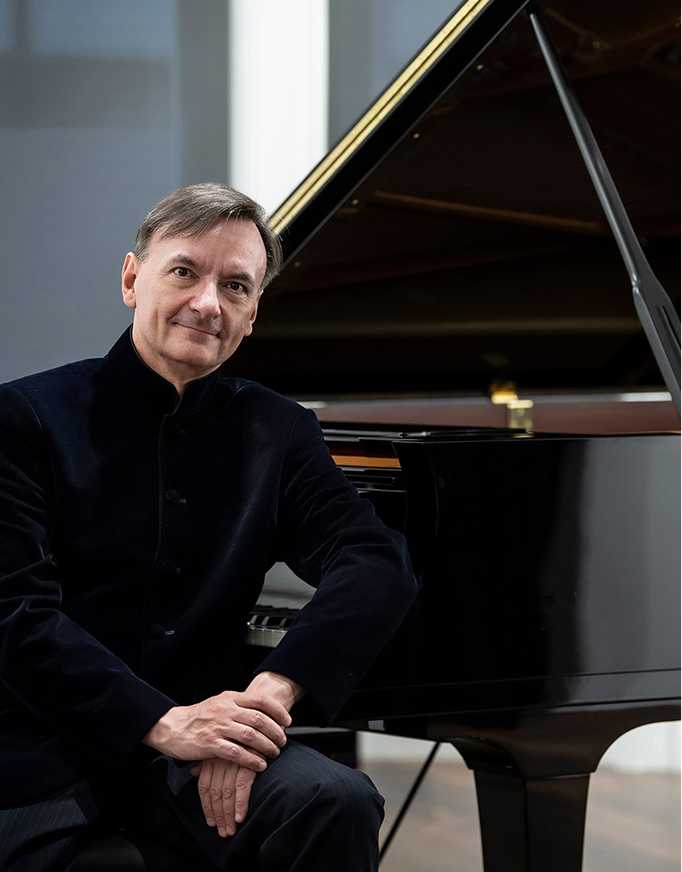
Sir Stephen Hough is a pianist, composer and writer.
Listening Room: Stephen Hough
Share: 


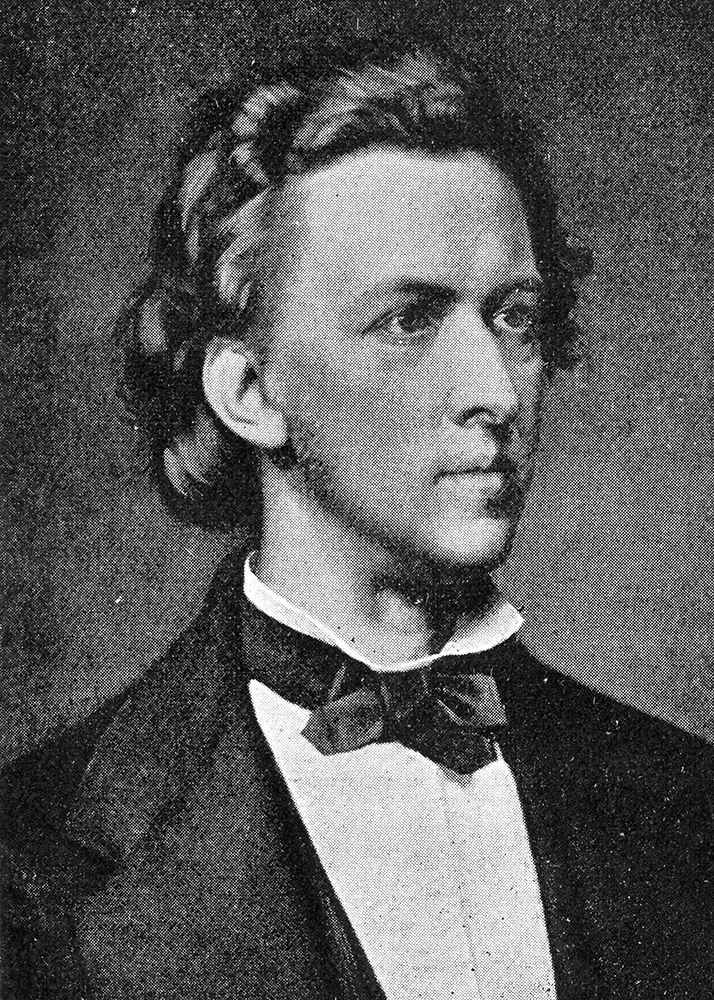
Chopin (1810-1849), to me, is one of the greatest composers, an absolute genius. But he’s probably the most limited of all the great composers because he only wrote for the piano; plus, a couple of chamber works and a few songs and some youthful pieces for piano and orchestra. Everything else, about 90 per cent, is just solo piano music. And yet, with his extraordinary originality, he never wrote the same piece twice.
Now you can’t say that about almost any other composer – I’m talking about the people who are traditionally thought of as the greats like Bach and Beethoven and Mozart. There are pieces of theirs that sound similar to one another. But with Chopin, although he has his own voice, every single piece has a unique sound world. It’s a little bit like one of the great poets: most of them – Wordsworth or Blake or Eliot – well, you feel like some of the poems are one vision that’s been split up. In other words, every poem isn’t written with a totally different voice. But with Chopin, every single piece – and there’s a lot of them, of course – strikes you as a new creation from a fresh source.
An advantage with his work for the listener is that there are a lot of short pieces. So, for someone who’s coming to classical music for the first time, you can have a piece that lasts just two minutes that gives you a slice of genius.
Nocturne No. 17 in B Major, Op. 62, No. 1
My top five pieces by Chopin would have to include a nocturne. All of his nocturnes are gorgeous. The second one, Opus Nine, Number Two in E-flat Major is one of the most famous pieces of classical music. Many people will have heard it even if they don’t know what it is – in a movie perhaps or on the TV in an advert or whatever. So, I’m not going to choose that one because I want to push our intelligent, investigative audience a little bit more than that to one of the more difficult nocturnes from the end of Chopin’s life, the B Major, Opus 62, Number One.
Now this is a little bit longer than most of the nocturnes, it’s about five minutes. But it seems to me that in these five minutes you experience a whole world. It’s like an entire human life in one short piece. It’s extraordinarily tender, and expressive. But the emotion is a little bit detached. The earlier nocturnes are very in your face, heart on sleeve – in a sense rather obvious. This is a bit like many artists in their late style – you think of Rembrandt, you think of Shakespeare; all of the expression is there, but it’s been distilled somewhat. In this piece you get the distillation of a whole life of composing, almost like an opera aria. Or, indeed, like a whole opera. In five minutes.
If I might, I’d like to suggest you listen to my own recording of this piece. I recorded the complete Nocturnes during the pandemic; we were able to get London’s Queen Elizabeth Hall to open up even though the whole Southbank Centre was closed. We went in there as a little team, all distanced and legal, and we were able to make the recording. It’s a two-CD set.
Étude in A-flat Major, Op. 25, No. 1
Then I’m going to have an étude. Chopin wrote 24 études, two books of 12 each. In these, he changed everything about how we play the piano today. I think Liszt did this too, in a different way, but piano playing could never be the same after Chopin wrote these works. He changed the way our fingers touch the instrument. It would be a bit like someone inventing a different tennis racket and altering the whole way that the game of tennis is played, every stroke, every elbow motion, the whole thing.
I’d recommend the Étude in A-flat Major, Opus 25, Number One, and I’d suggest you listen to Alfred Cortot’s 1934 version. Cortot was one of the great Chopin players, he recorded most of Chopin’s music. As this recording is from the years of 78s it’s a little scratchy sounding, but you won’t hear a more lyrical or more extraordinary performance. It’s two minutes of complete musical ecstasy.
Polonaise in A-flat Major, Op. 53
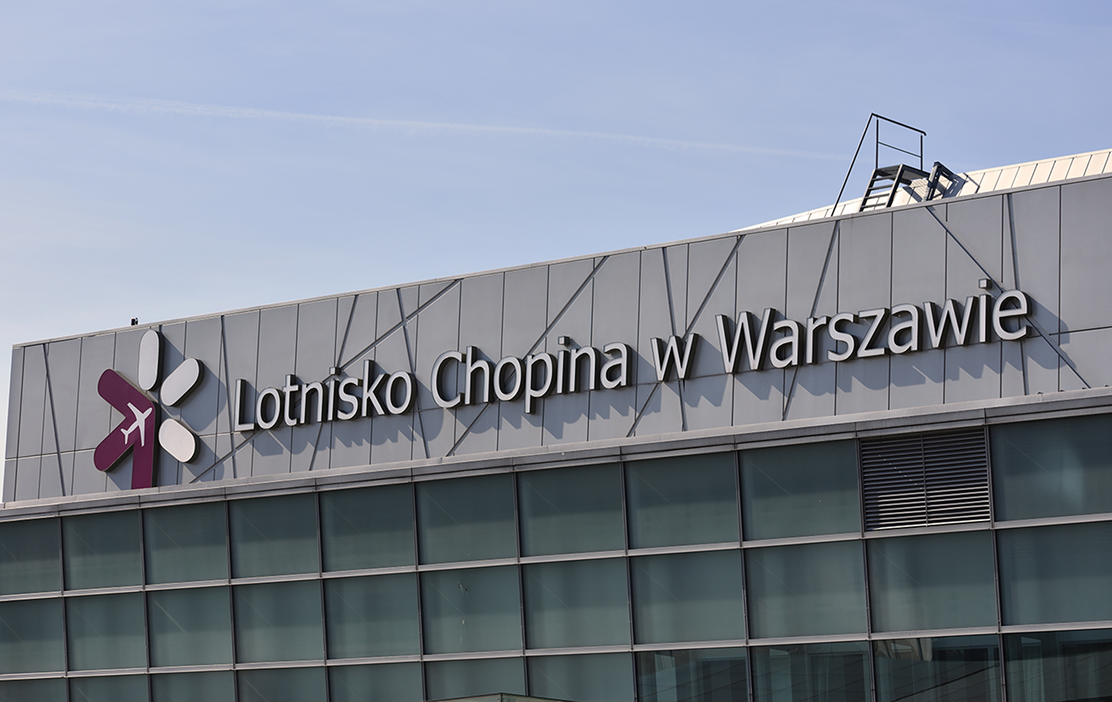
This is the very famous Polonaise in A-flat. This is a piece that you’ll hear military bands play; you’ll hear it as you’re landing in your plane coming into Warsaw – of course the airport there is named after Chopin – and it’s one of the most famous pieces he wrote. It’s a symbol in some ways of the whole country, the whole culture, the people of Poland.
The “Heroic” is its subtitle – Polonaise Opus 53. And I thought we might have Arthur Rubinstein playing it, a Pole who was one of the great Chopin performers of the 20th century.
Mazurka No. 41 in C-sharp Minor, Op. 63, No. 3
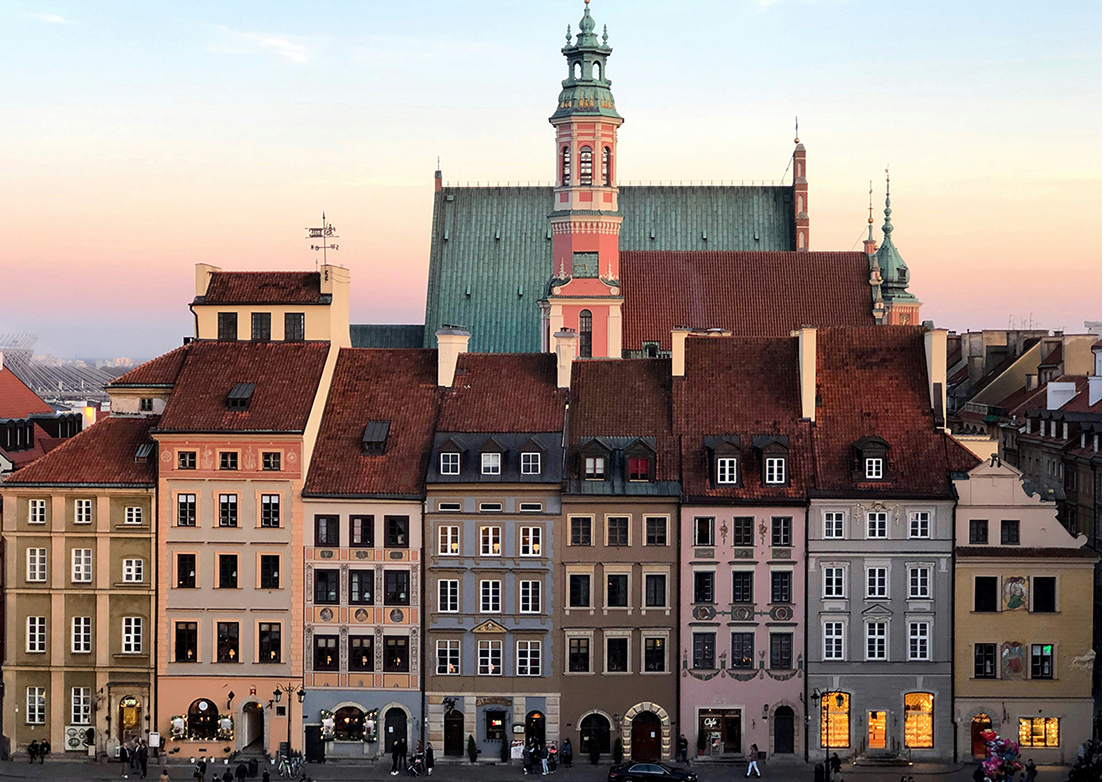
But while the Polonaise is very Polish, the public face of the culture, the private, personal soul of this culture is contained in the mazurkas. The Polonaise is the kind of music you might hear a band play, but in private Chopin might play you a mazurka. He wrote around 60 in this form, based on folk dances. The longest I think is four minutes, the shortest, maybe not even two minutes. And in these works, which he wrote from the very beginning of his compositional life to the end (probably the last piece he wrote was a mazurka), we see everything that Chopin felt about his home country. The sense of suffering, of course… Poland has been occupied by so many different countries over the years; this whole cultural history is contained in this extraordinary body of work.
If you don’t mind a slightly scratchy sound, no one played the mazurkas better than Ignaz Friedman. I haven’t actually chosen a specific mazurka, but you could start with his recording of the C-sharp Minor Opus 41, Number Four.
Ballade No. 1 in G Minor, Op. 23
And then finally, I would suggest the G Minor Ballade. There’s a wonderful documentary called Chopin Saved My Life in which this particular piece is taken around the world and various people to whom it means a lot talk about it – like a person affected by the tsunami in Japan, for example. Unlike Brahms, we don’t think of Chopin as being a writer of big forms.
He never wrote an opera, he didn’t write symphonies, his two piano concertos are early pieces. Even though he wrote three piano sonatas, he was uncomfortable with the big traditional forms. But in his ballades – each of these lasts about 10 minutes – what he does is condense a big sonata-like structure into this brilliant, shortened form. It’s like a great novella; as if you could imagine something like one of the great Dickens novels, but in 80 pages. And that’s what you feel like with these ballades. The structure is extraordinary, how he pulls the thing together; you feel the huge emotional trajectory of these pieces, each of which begins with a sort of big question mark and then explores their unique emotional worlds.
The First Ballade moves through tragedy to exultation and then ends in a desperate, turbulent kind of coda with no solution. So, I would suggest this, the G Minor Ballade, as our fifth piece. And I’d recommend you try a recording by Annie Fischer or Martha Argerich, whichever you can find. They’re both wonderful pianists in this repertoire.