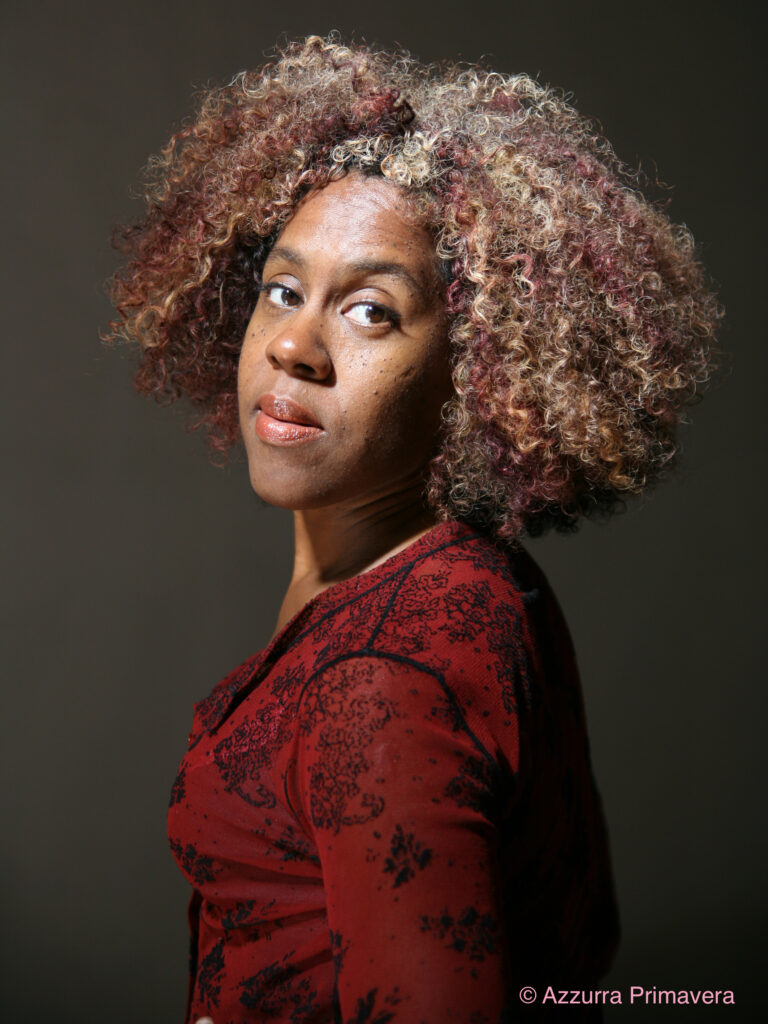
New Zealand-born Geneva Lewis is a highly acclaimed violinist who has established an international reputation for her expressive playing, technical brilliance, and musical sensitivity. She began performing as a soloist at the age of 11 and has collaborated with distinguished musicians including Sir András Schiff, Mitsuko Uchida, and Gidon Kremer. Here, she discusses Samuel Barber’s 1939 Violin Concerto, featured on her debut album for Delos/Outhere Music
Stories: Geneva Lewis
Share: 


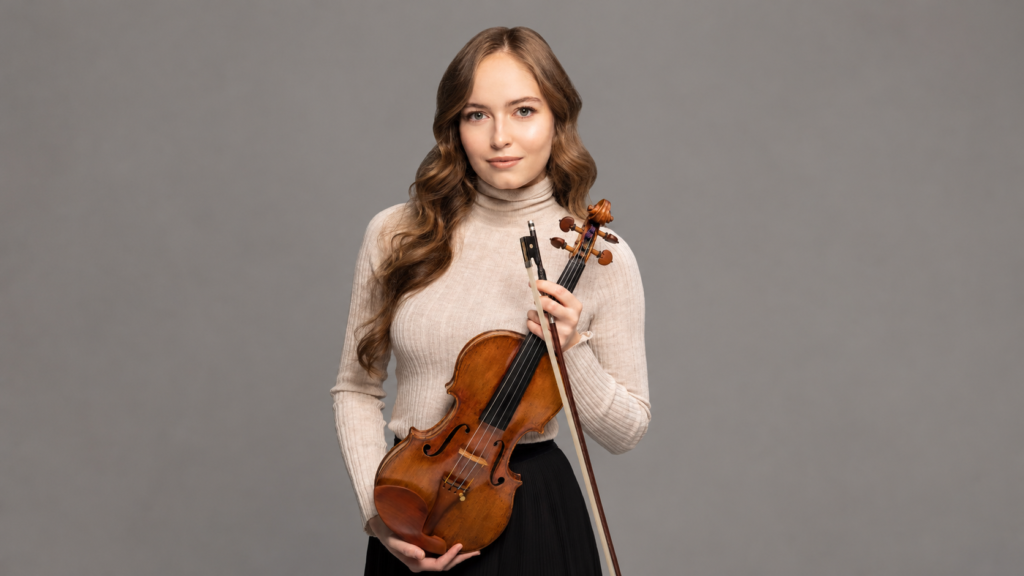
Samuel Barber’s Violin Concerto would probably make anyone’s Top Five list of Great American Concertos, and it might just deserve the top slot. It’s a beautiful, emotional work full of extraordinary melodies. It’s no wonder that it seems to instantly connect with listeners.
To have been able to record it on my debut album, along with works by John Zorn and Philip Glass, with such wonderful partners in Gemma New and the BBC Scottish Symphony, was a fantastic privilege and joy.
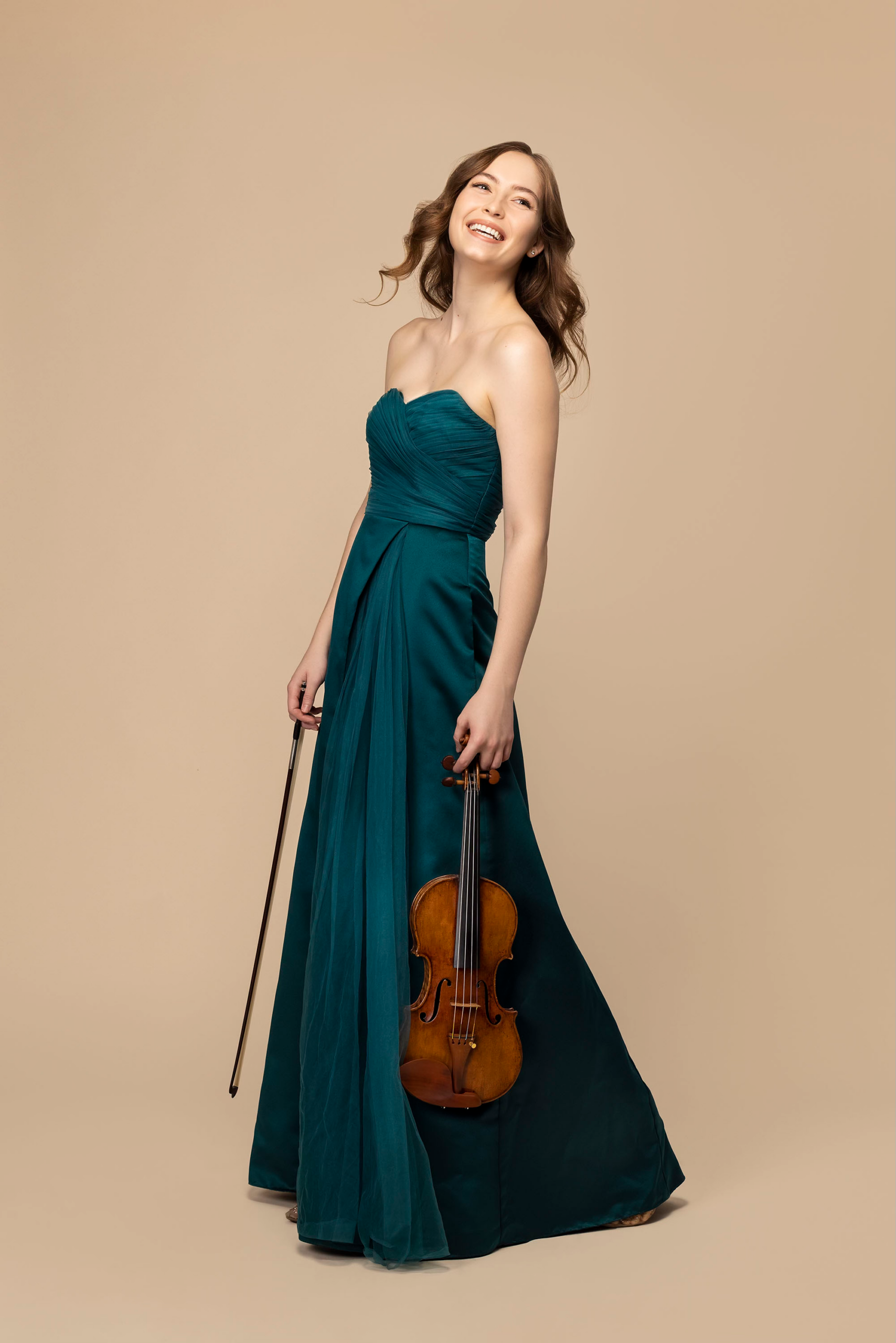 Photo by Matthew Holler
THE WORK
The first movement of Barber’s concerto has some of the most beautiful melodic content. It just feels great to play.
Within the orchestra, the textures are just so sweeping. It’s quintessentially American music, about what I think of as American. For me, it evokes landscapes. I think Barber does such a great job in evoking these vast American landscapes. The movement doesn’t have any tremendous technical challenges, though I don’t mean to say it’s an easy piece. One of the reasons I like it so much is because there’s not so much struggling in it. It feels really good to play, and I think it also feels really good for the orchestra to play. It’s really enjoyable.
The second movement is very much the heart of the piece. My favorite part is the beautiful oboe solo at the beginning. I love the experience of getting to stand on stage and just listen. It’s such a vulnerable melody, and such a special moment in the work.
It was so beautifully performed on this recording. I feel like it’s such a nice opportunity to feel connected to people in the orchestra and listen to other musicians’ artistry. It’s a deeply emotional movement. I sort of feel that there’s a lullaby quality to it, especially when the theme comes back in the violin in the middle. I think there’s something deeply yearning about it. I love it. It’s dignified in a certain way.
I feel like there’s something ever so slightly restrained, of fighting back tears or holding yourself back. In some ways, it’s incredibly intense, and I think the way that it builds towards the end of the movement is actually very painful.
As for the finale, I think there was a story behind it – sort of a myth that the person who commissioned the concerto said it was too difficult said it couldn’t be played, which is not true. But I think there was a discussion about it being out of proportion with the concerto. It is unusual that the first and second movements are about ten minutes each, and the last movement is three and a half minutes. But to me, it just feels right. It feels like the first two movements are so expansive that to have something that condensed feels like a perfect culmination of everything. It’s just sort of over in a second! It’s such an intricate movement.
It’s this perpetual motion, so the violin part is basically just… straight eighth notes the entire time, these triplets. Absolutely non-stop. But there are all these intricate rhythms that go throughout the orchestra. And I think it’s really fun to try and feel affected by that. Even with my part – it kind of all looks the same on the page, but you feel all those rhythms going against it and how that changes the gesture and interacts with what I’m doing. It’s a really fun and exciting movement.
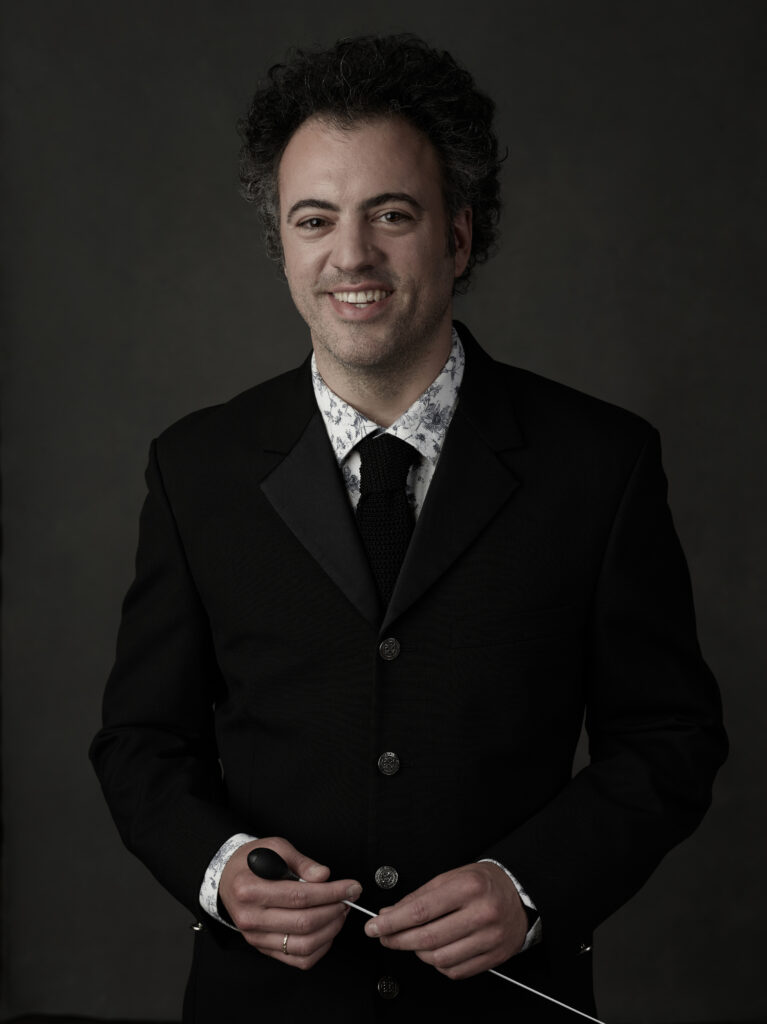
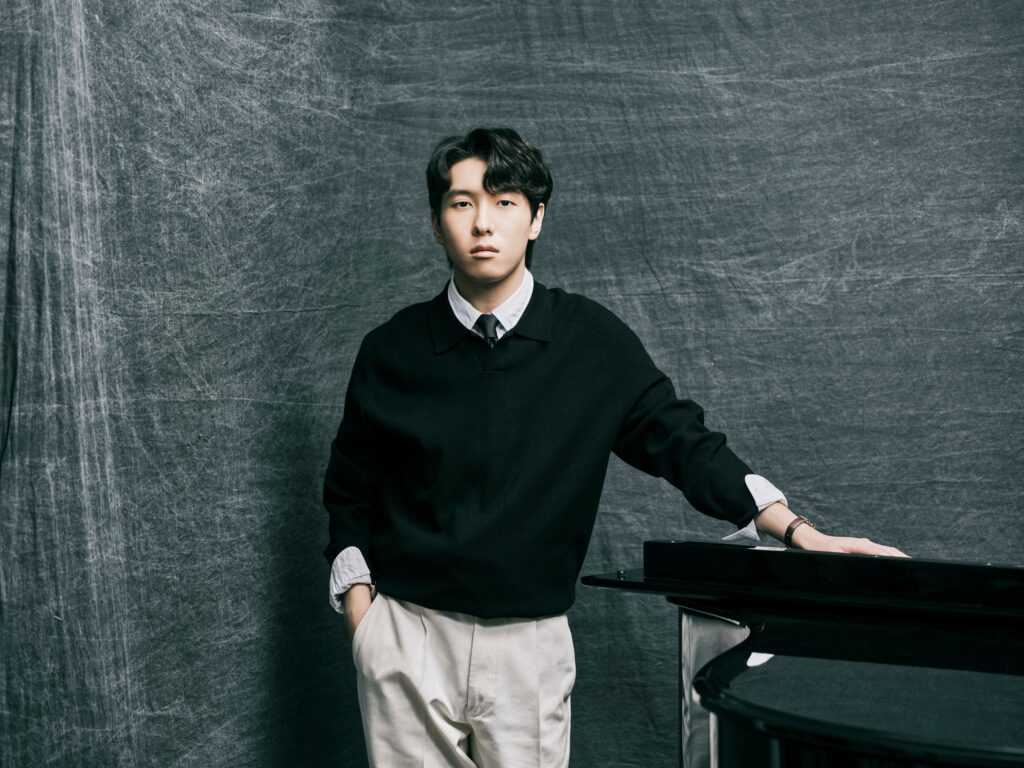
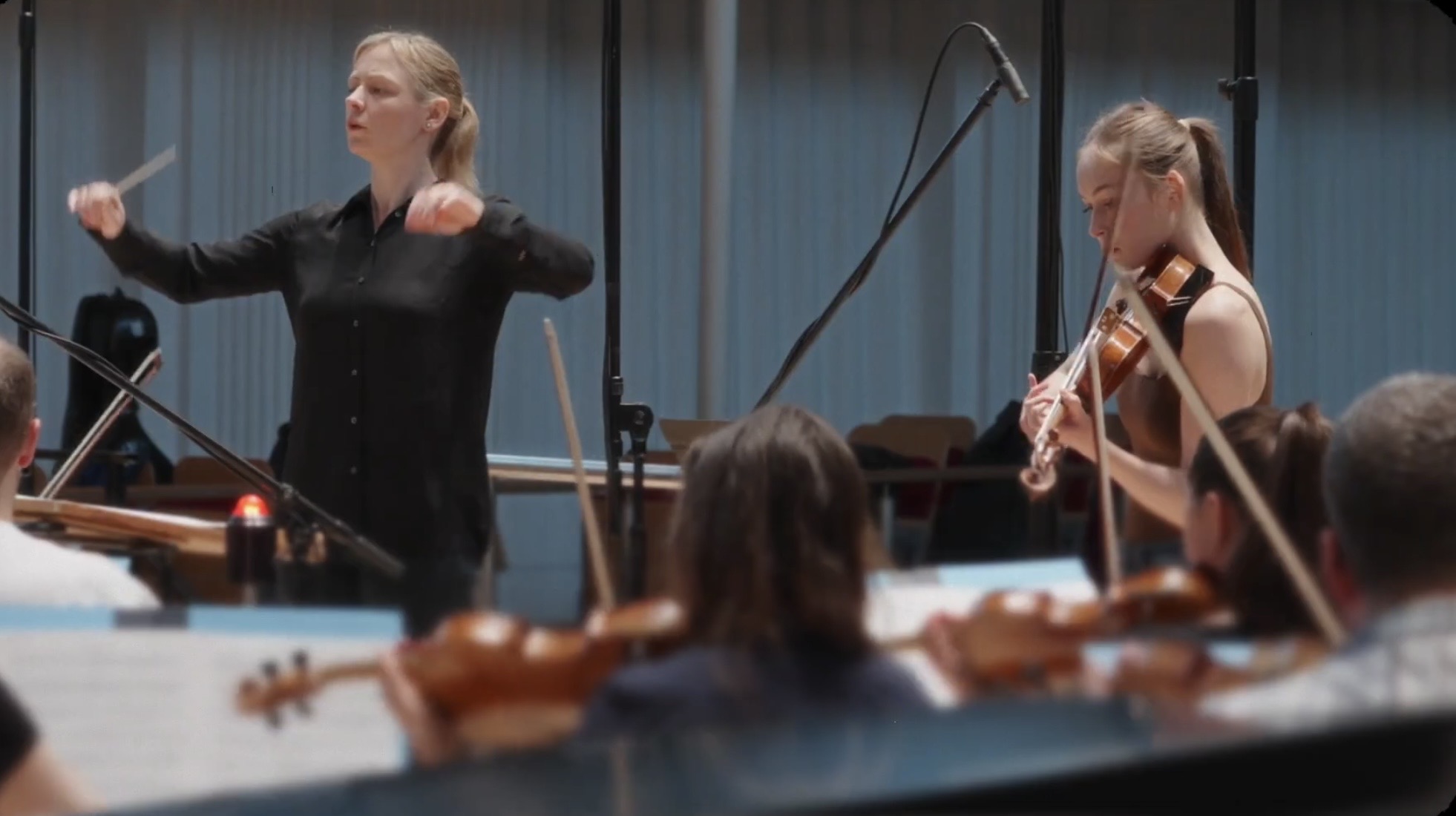 Geneva with conductor Gemma New
MY FIRST RECORDING
Recording this album was a new process for me.
It was my first time making a recording. What would it feel like to record a concerto? I’ve never done it. I was trying to approach it as a live performance. I think that a lot of what I value in album recordings is when I do feel like there’s this live energy to it, or I just like hearing recordings of live performances. And of course, it’s nice to have more control, more takes to try and do exactly what you want to do. It would be a little bit more variable in a live performance, but I really tried to approach it the same way. I just wanted it to be an honest representation of the way I was interpreting the piece at the time.
And I think just with my approach to music, and also a little bit in an attempt to not paralyze myself with a certain kind of pressure, I didn’t think it needs to be the perfect recording. I wanted it to represent that this is how I was playing this at the time, and this is what I believe in. Of course, there are many great recordings of the Barber concerto. I love many of them. I’ve listened to almost all of them, and I’m sure I have learned from them also. I was just excited to delve into this piece. My feelings about it are unique in themselves. I don’t need a conversation in my head about whether it’s better or worse than anything out there, because that doesn’t really matter to me. Besides, it’s all completely subjective. I feel proud that the recording feels authentic. It feels like me, and that’s how I play, and that was the goal.
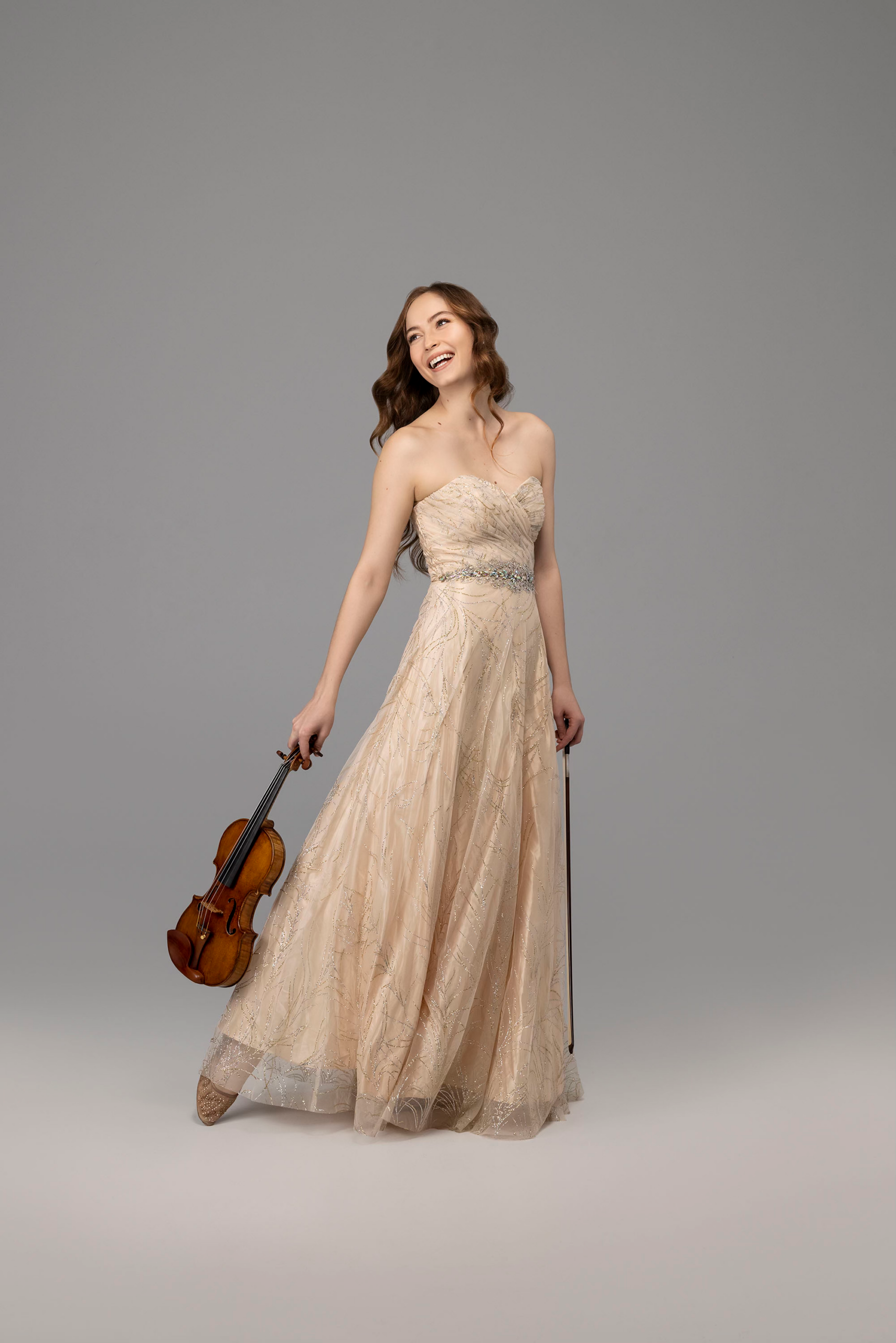 Photo by Matthew Holler
MY PARTNERS
I also feel very lucky to have had great partners throughout all of this. First of all, with the conductor Gemma New, who is someone I’ve been lucky to work with a few times before. When I was discussing the album with the team at Delos, and we were figuring out how to put it together, it was very obvious to me that I wanted to work with her because she’s such a sensitive musician, and I’ve been so inspired working with her. She’s so prepared, and meticulous, and I thought that that would make the whole process feel so comfortable and so supported because I trust her ear so much. It’s really inspiring to work with her. The orchestra, the BBC Scottish Symphony, are just the most sensitive, supportive musical partners. We’ve worked together a few times, and had performed the Barber before, which was an incredibly memorable performance for me. I was really happy that they were willing to revisit it and dive in and do this new adventure with the Philip Glass concerto as well, which I think is not a usual part of their repertoire, and so I appreciate their willingness to jump in with that. And then also to have the whole thing be supported by Delos. I feel so grateful to have a record label to work with that is so artistically supportive. I feel like with this album, I came in with this idea initially and their response was just, “Yes, let’s make it happen.” There was no pressure of any kind to do anything that wasn’t just exactly what I wanted. And this is exactly the music that I wanted, and I am so happy we are putting it out there.