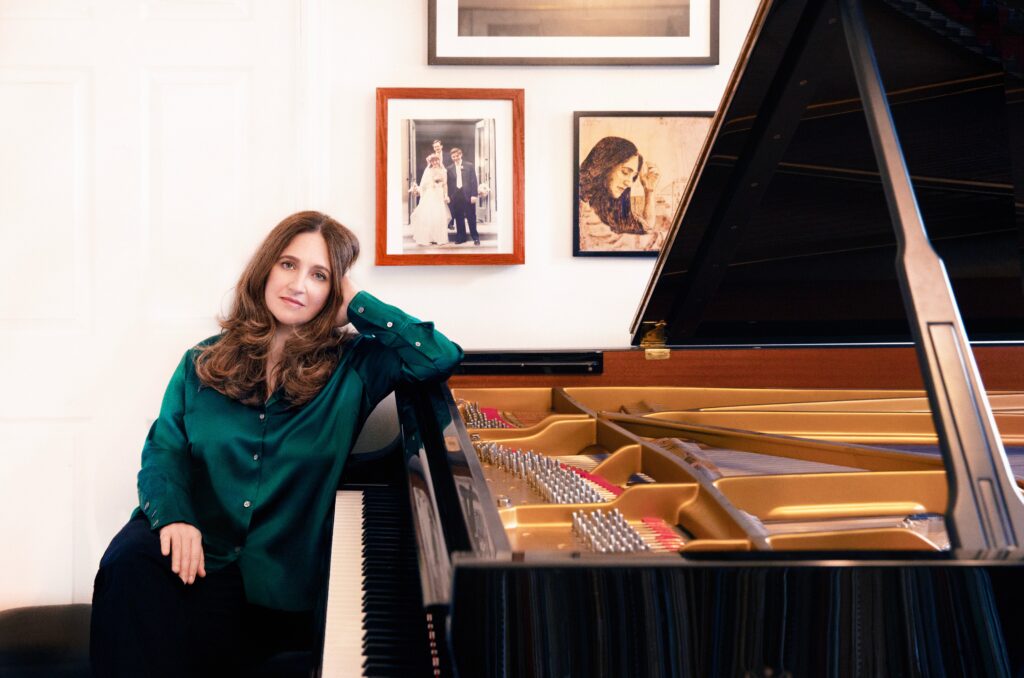
Errollyn Wallen is a prolific and versatile contemporary composer with a big following on both sides of the Atlantic. Her catalogue of works includes operas, orchestral pieces, chamber and vocal music and beyond. In 2024 she was appointed Master of The King’s Music, a title that goes back to the 17th century, making her the first person of color to take on the role.
Stories: Errollyn Wallen
Share: 


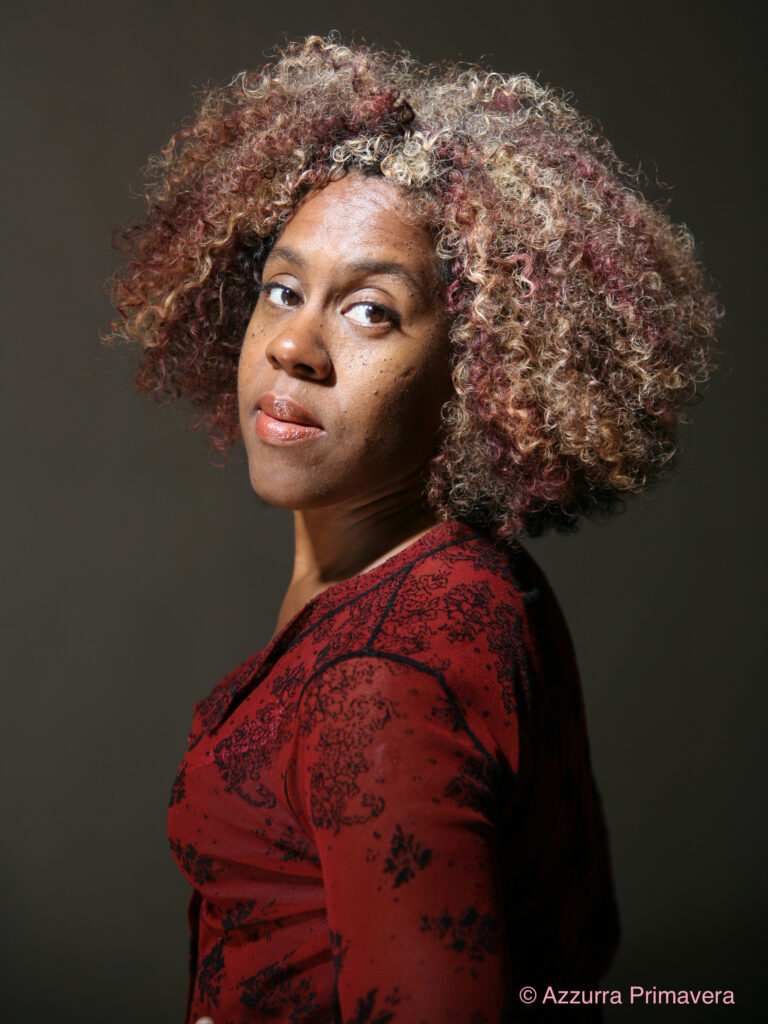
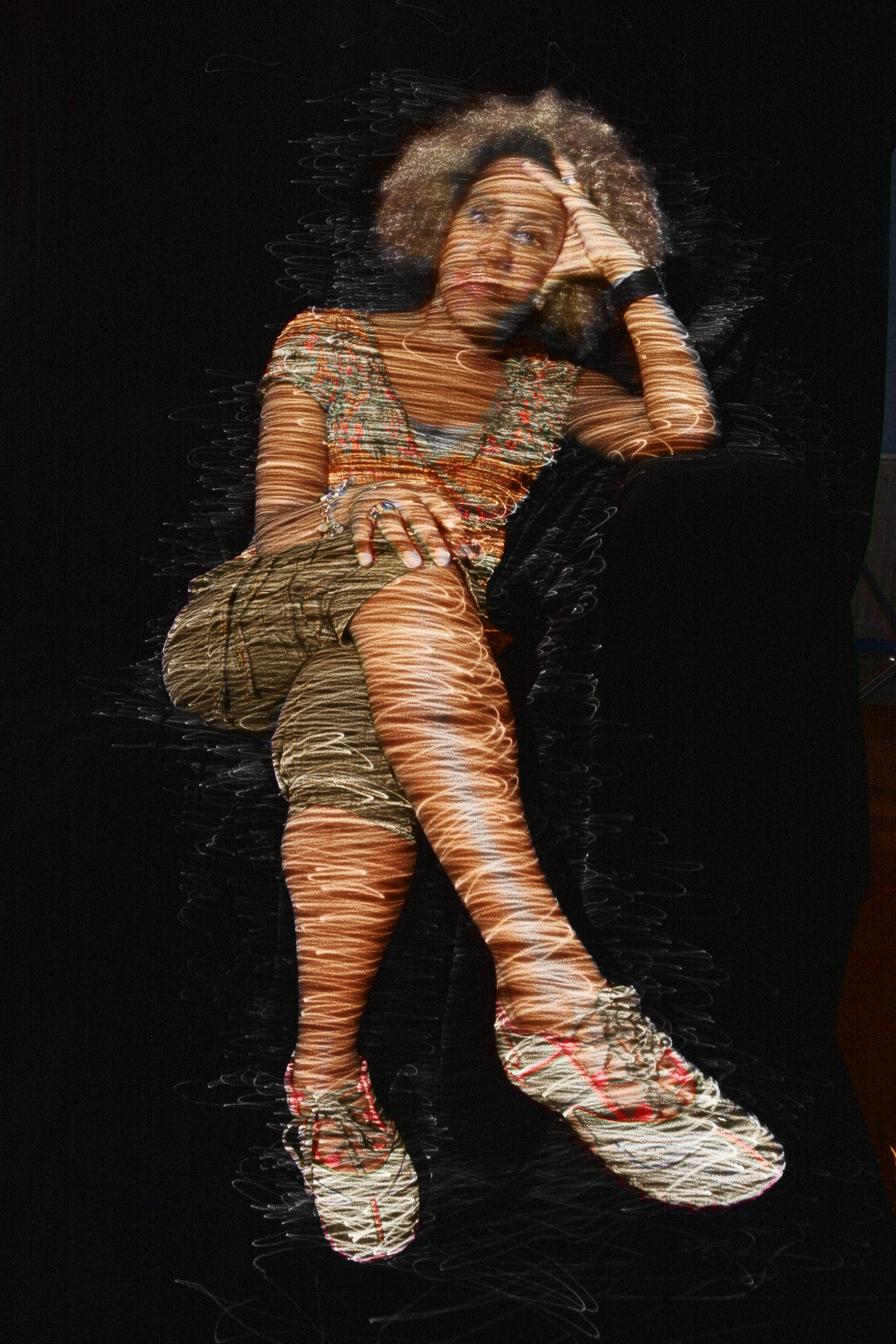 Photo by Dominic Harris
 I’ve been living on Orkney since December 2023. The sea is at the bottom of my garden! I’d been living in a lighthouse on the mainland before, but I saw this house. It’s massive, with 10 maybe 12 bedrooms, who knows. There are seven acres outside. I have neighbors. I’m always fending off invitations because I could be out every night, doing this or joining something. But the point of living here is being able to compose, and I’m always so busy anyway. The amount of admin is overwhelming with all the different teams I’m working with. So, in a way, my life is the same as it is anywhere and I’m always in contact with people. But I miss being able to see things like the premiere of my new piece for International Women’s Day at Wigmore Hall [which took place on Sunday March 8, 2026]. It’s for theorbo and voice and set to a funny poem called Eurydice by Carol Ann Duffy which turns the myth on its head.
I’ve a lot in the diary and the thing is, you don’t even see half of what’s pending. I’ve become very much in demand and I think that’s partly, I have to say, because of what happened after the death of George Floyd, and also becoming The Master of the King’s Music. I’ve heard some American artists refer to George Floyd as the black Jesus Christ because something happened with that murder, it’s as if there was this moment in time when people thought we need to value everybody in the arts. I saw it in classical music, and it went across literature, theatre; this drive to bring in the black artists who were there. I was always busy but then I noticed I got busier.
At the moment I’m fine-tuning the vocal score for a community opera I’m writing. It’s called A Christmas Miracle with a text from a medieval Chester Mystery Play so the whole thing is in Middle English, and it will be performed in Aldeburgh in November, then it comes to Orkney early December, and hopefully Edinburgh and St Andrews after that. It’s literally involving the whole community. The premiere will be at Orford Church, which is where Britten’s Noye’s Fludde was premiered. At the top of the show, we’re going to have to teach everyone the carols. I think we sometimes take it for granted that young people in particular are familiar with hymns and carols.
More recently, I’ve come back from a very exciting new opera production for Opera Philadelphia called Complications in Sue about a woman’s life across 10 decades. Anthony Roth Costanzo, the general director, came up with the idea which involved 10 composers and one writer. It should not have worked but I agreed to do it because I thought it’s an experiment and who doesn’t want to take part in that? Anthony made the whole event so joyful; he led from the front, a brand-new production with hardly any money which brought in audiences that were mixed and enthusiastic. You felt with this company how everyone was pulling in the same direction, and with a shared passion.
I feel the United States has been leading the way in nurturing the art form of opera – bringing on new composers, new writers. That’s not happening in the UK. The main houses are not reaching out in the same way; they’ll have an excuse for it, but I did feel quite bitter about the extent to which some of the big companies in Britain are prepared to ignore the development of the art form, overturning opera into a museum culture. I’m not happy about it because the UK has a National Theatre that does that so our opera companies should be like that.
I really enjoy working with American musicians and I’m very excited because I’m beginning to work on a concerto for orchestra for the Cincinnati Symphony Orchestra to be premiered in March 2027. The person who pushed for that is Cristian Măcelaru who’s recently taken over as its music director and who had conducted a violin concerto of mine the year before. I’m normally a very fluent writer – I just dive in. This one is making me very nervous because I think it’s the largest orchestra I’ve written for; I’ve got six horns, quadruple winds – it’s massive.
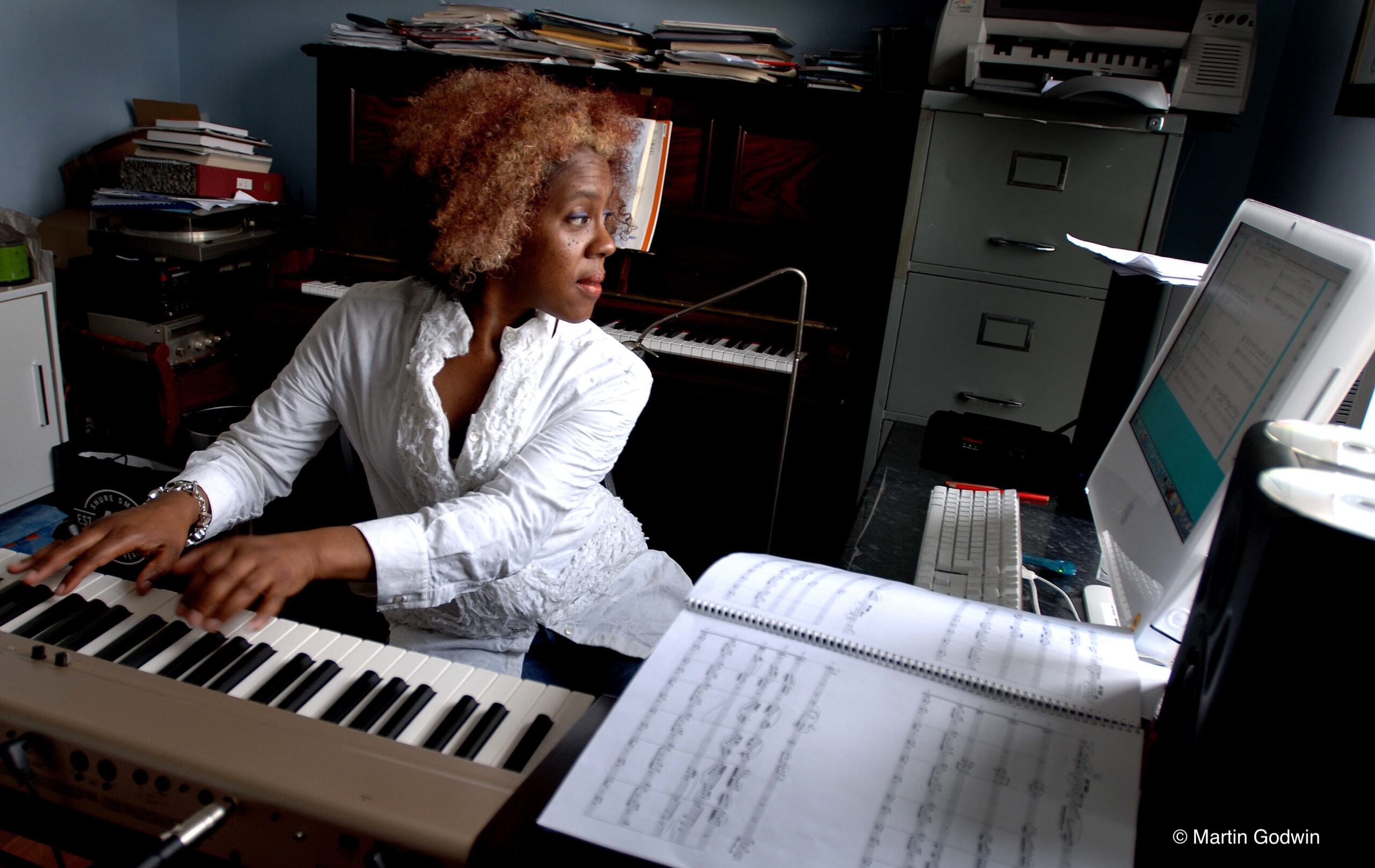 Errollyn Wallen, composer, at work, writing music
Commissioned for Portrait of the Artist
Photograph copyright Martin Godwin.
Errollyn Wallen, composer, at work, writing music
Commissioned for Portrait of the Artist
Photograph copyright Martin Godwin. I’ve been Master of the King’s Music now for just over a year. It’s an honorary title, so that’s important to get clear. There are some duties and lovely things I’ve had to do. For example, I’ve recently formed a committee of great people in our music world, and we decide on the recipients of the King’s Medal for 2024 and 2025. And then I’m sometimes asked to recommend people for certain things or even just to attend some functions. There’s no specific brief but there is a slight ambassadorial feel to the role – that’s how I interpret it. As with Poet Laureate Simon Armitage and Astronomer Royal Michele Dougherty, we all feel the same way that it’s a chance to advocate for our particular field.
Since I took on the role, I’ve had a large amount of requests from people asking me, could you pass this photograph to the King? You know, really ridiculous things because people think I have this direct line to him. The other thing is people want to use that title, which is fine, and I’ll be commissioned and then the commissioner will make it very clear publicly that this is by the Master of the King’s Music, and that word, “master”, is slightly elevating. I’m still an ordinary composer.
The King is the real deal when it comes to music. He’s a very deep listener and has a real knowledge of music making. I know he loves Hubert Parry, and when I saw him last summer, he mentioned a couple of composers from the turn of the 19th century, and I’d never heard of them! I mean, he’s always investigating historical facts to do with composers.
When I think back to my beginnings as a composer, it was really hard to break in. Many of my friends who have children are now professional musicians, and I would’ve loved to have had that sort of parental advice, you know, who would be the best teachers to go to. I didn’t even know about Saturday schools at the academies.
As a composer, where do you start? Nobody knows who you are, and as it is for most composers, you don’t get paid very much, certainly not in the beginning. For years and years, I was really struggling financially. I was writing lots of operas and orchestral works, and I started to realize I wasn’t being paid properly. At the same time, you do these works because you want to build up a catalogue. My best advice is to diversify where you can. It was useful that I could play the piano. I played in bands and things. I did a bit of teaching, and all of those things helped me gain different experiences of making music, but it was really, really hard. I’m not surprised many people give up the moment they want to buy a house or start a family, because a composer’s income can’t necessarily give you that. That’s why so many of our composers are actually in academic institutions because at least there’s a solid basis for a regular salary.
When I started composing, a different sort of music was being presented from what I was writing so I assumed that’s how things would continue. I’m in vogue now but that could stop. You’ve got to be realistic. I’ve seen careers go up and they go down, but as a composer I just thought, I want to have a life where I can be always writing music; that’s the number one consideration. It’s been a gamble though and you have to know you’re taking a gamble. If someone wants to compose then I would say yes, do it, but it tests you. I was interviewing one young composer for something and I asked him, why do you want to be a composer? He said, well, for the lifestyle, and I thought, that’s not going to get you very far. You may see a composer dressed up on a podium taking a bow, but the reality is it requires a crazy commitment that makes no sense. But if it makes sense to you, you have to do it. It’s not even necessarily about being the best musician, but you’ve got to check in that you have the temperament to withstand real hardship.
For me there was this fire inside, which wasn’t to do with personal ambition, but something to do with music, the fascination of it. It took me all my childhood to realize that. If I was at the piano, you couldn’t get me away from it. I didn’t associate that with a talent, but I had the drive that would mean that I would try and learn things. It’s a bit like being an athlete – you have to keep pushing yourself onwards, especially when you’re becoming better known, you’ve still got to create that space for yourself. I feel that all of us who take part in music at whatever level, the music has to be bigger than any of us. You really get that sense when you’re having a piece played or in rehearsal; we’re all trying to somehow create this vision of something, and it’s intoxicating.
I’ve never looked for my voice as a composer, and it sounds strange, I’ve never been that interested. So much of being a musician is having the techniques to bring out and express your ideas. You have to go over various hurdles when you’re completing each piece, and all the time, you’re developing the craft that helps you realize this. I tell my students, don’t worry about your “voice” so much as investigate how music works, look at the music of other composers. Bach is my number one person for so much because, when everything’s stripped away, and you’ve just got the notes and the rhythms and the harmonies, I say that he’s sort of king, because he’s almost like a child in his sense of joy and inventing things.