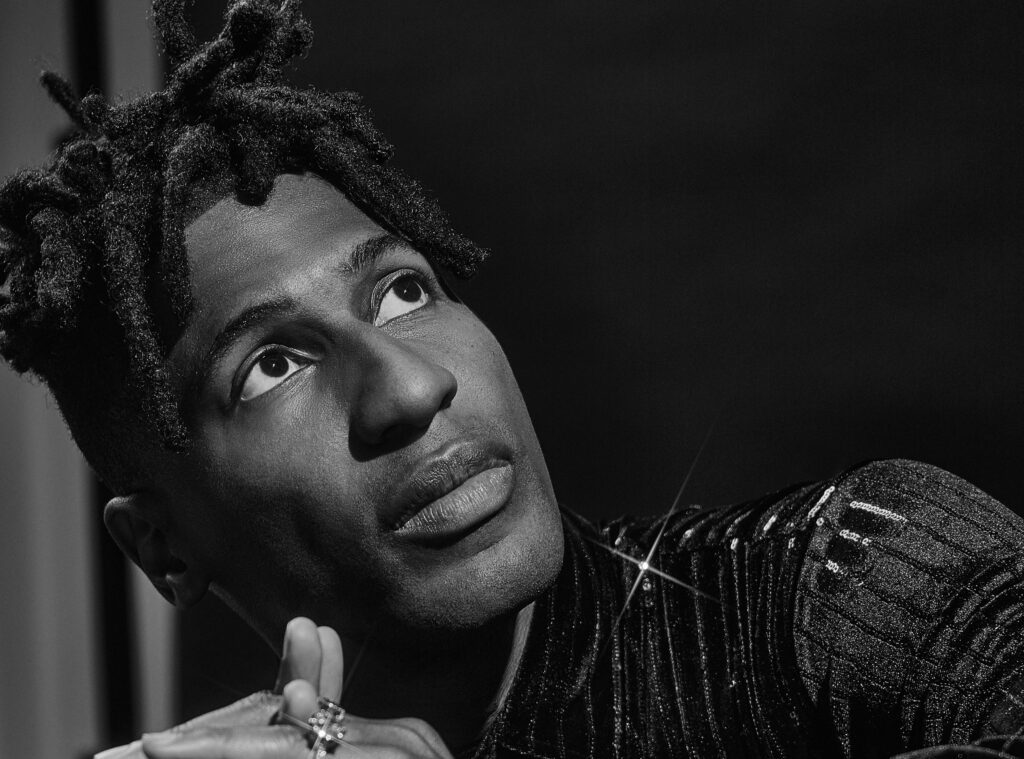
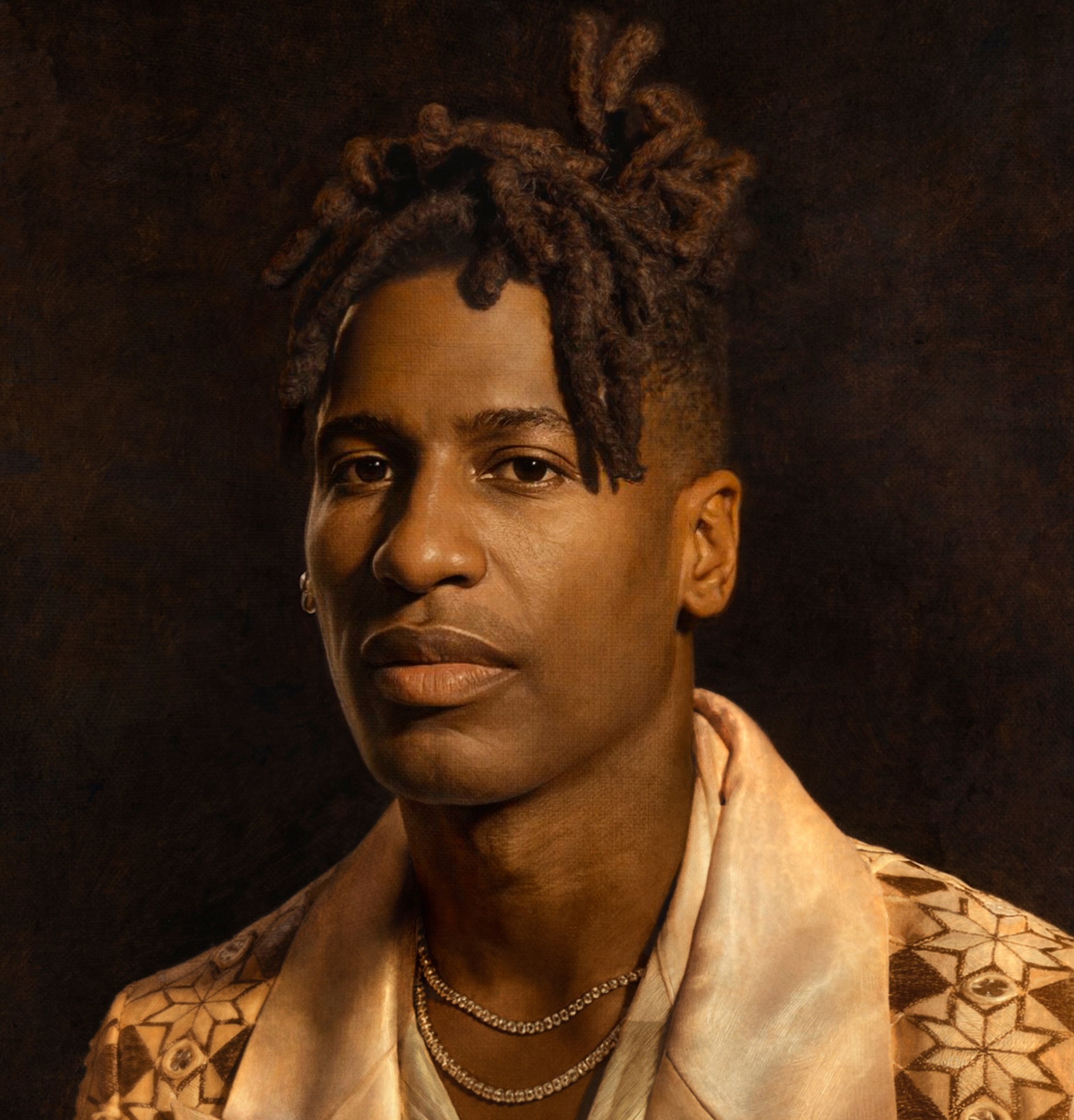
Jon Batiste was bandleader and musical director on The Late Show with Stephen Colbert from 2015 to 2022. He has eight Grammy Awards and won an Oscar for Best Original Score for his work on the Pixar film Soul in 2021. As part of his Batiste Piano Series, he releases Black Mozart, Monk Meditations, and Monk Movements this summer.
Favorites: Jon Batiste
Share: 


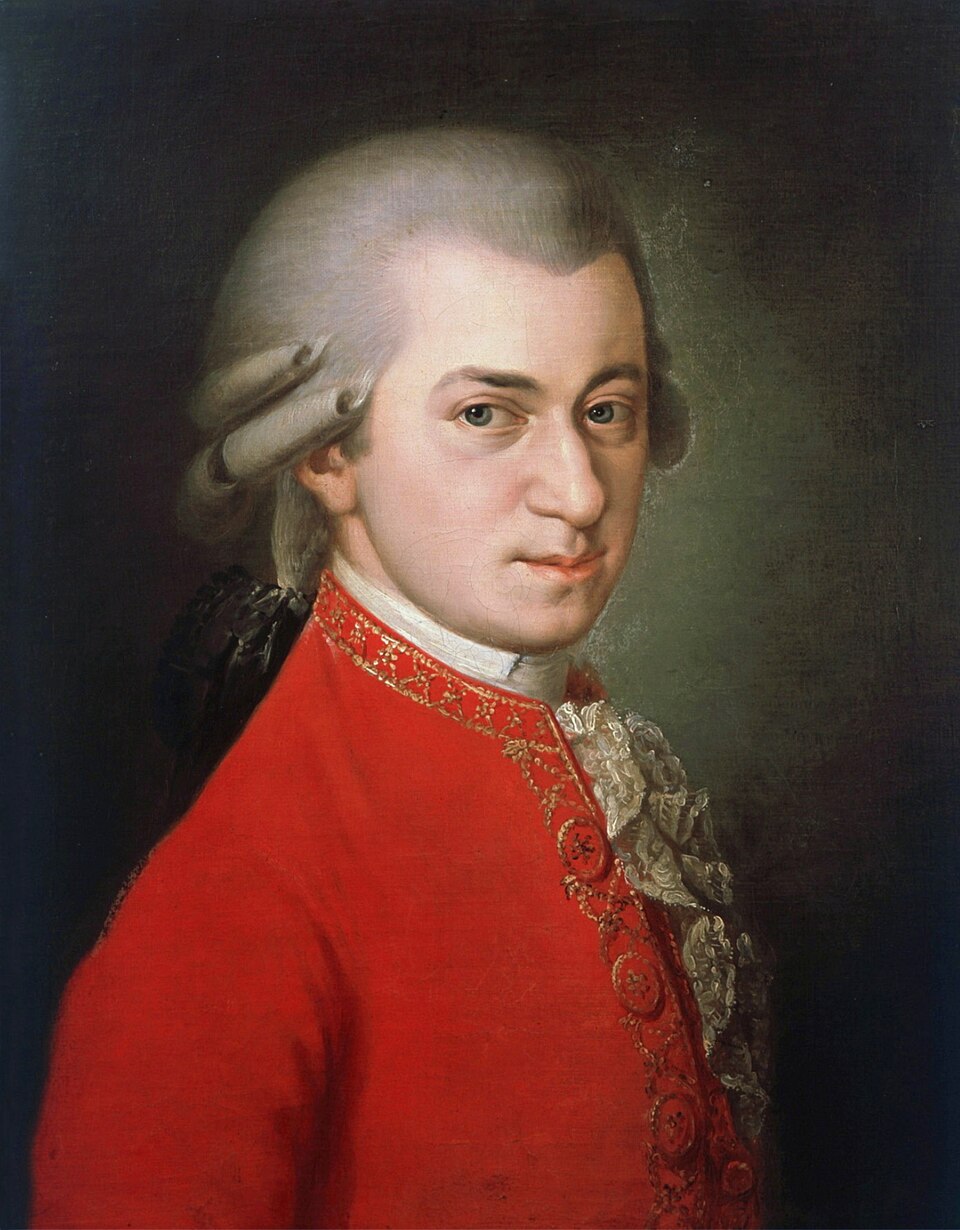
Thelonious Sphere Monk and Wolfgang Amadeus Mozart lived two centuries apart from each other yet have striking similarities as pioneering geniuses. Both were eccentric innovators who created their own musical language, masters of symmetry, refiners of structure and form. They could seamlessly combine extreme melodic simplicity with intense complexity that challenged the conventions of their time while still having a universal appeal. Both have an enormously vast body of work among the most ubiquitous and reinterpreted music of all time.
But in reinterpretation you must not strip the music of its essence. A unique essence made from how the mathematical construction, rhythmic structure, and melodic innocence of the music is in conversation. A special alchemy that if you change one element the wrong way, immediately loses its potency and identity. In that way both are very meticulous metaphysicians, who created a special blend of logical mastery that still somehow defies explanation.
Mozart, and especially Monk, didn’t have large pendulum-swing eras where their musical approach shifted dramatically. They absorbed whatever was in their orbit while the core of their approach remained consistent. Regardless of how idioms changed around them, their music sustained. Somehow their music was always modern.
They both absorbed everything that came before, too; Monk, the obvious successor of Duke Ellington, and Mozart of Johann Sebastian Bach.
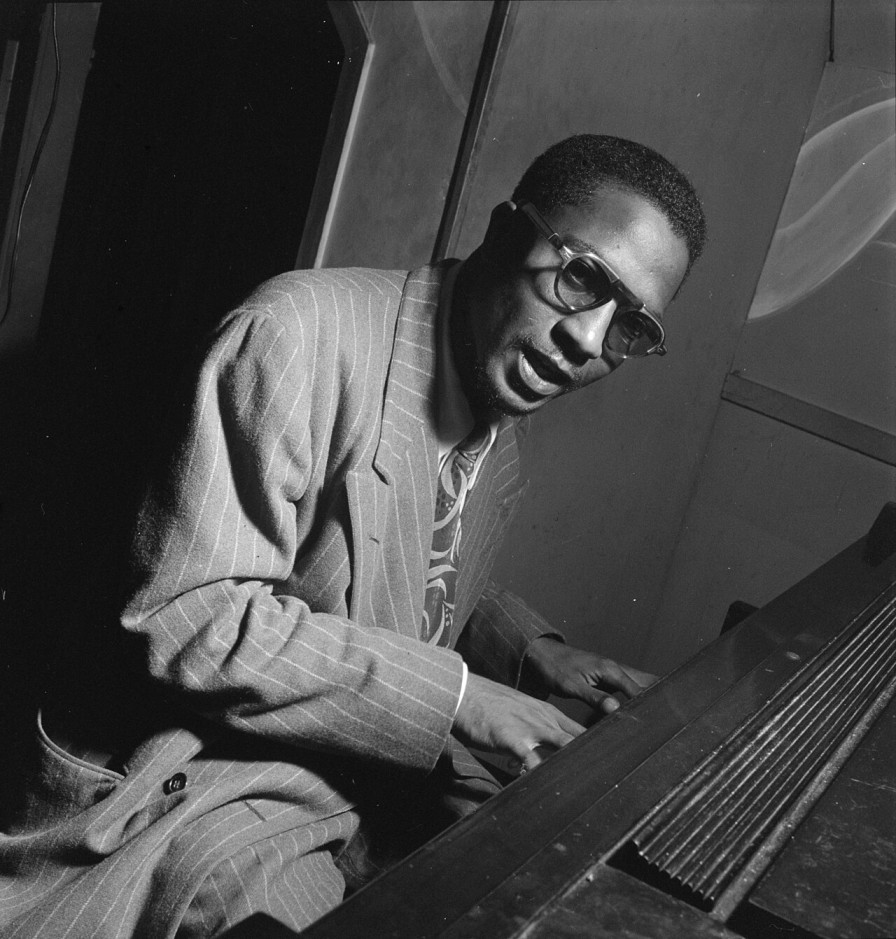 Photo: Jen Rosenstein
 Where Duke measured “It don’t mean a thing if it ain’t got that swing,” Monk asked “Does it Swing? Does it sound good to the ear? Does it have a melody?” I imagine this thinking, phrased in different vernacular, was a vital measure of how Mozart and Bach assessed their vast catalogue of output as well.
All of them were keyboardists, supreme improvisers, providers of melody in all registers, and purveyors of the percussive left hand. This all must have something to do with it. Ellington and Bach are the foundation and Monk and Mozart are the bridges. They extended it to the modern age.
“M” in spiritual symbolism often acts as a bridge between the material and spiritual realms. M is the 13th letter of the alphabet, which in numerology reduces to the number 4 (1 + 3). Four represents stability, structure, and order.
The M in both their names is for Modern. Metaphysical. Melodic. Mathematical. Momentous. Monolithic. Manifestation. Masses, of which their music continues to touch. Mozart even had a religious nickname, Amadeus, which is the Latin translation of his baptismal middle name, Theophilus. Both mean “loved by God” or “lover of God.” Monk was the “High Priest of Bebop” and would often get up and dance in a circle away from the piano when the spirit moved him. Also, his name being Monk, you can’t help but think of his work as somehow linked to his Tibetan brothers.
But that M is a deep part of the connection.
They existed on another plane outside of the physical world. They operated on a plane of existence that was partially of the material world but ultimately just passing through. The music was connecting them to another world. In that way they both were metaphysics as well.
The M was also for Music. Pure music.
Both were of their time but also very alien. Of a place and of their people – the church, the royal courts, Harlem vs. Western Europe, bebop vs. opera – but also very different.
Besides my middle name being Michael, I feel a sense of kinship and gratitude to them for many reasons. I’ve always felt like an alien.
Michael, my father, who was named after the archangel Michael of the Bible, gave me a Best of Monk album when I was 14 to learn Straight, No Chaser. This was among the first tunes I ever learned to play. I always loved it.
Although I was exposed to it around the same time, my first impressions of Mozart’s music weren’t as favorable. It felt a little too ‘stuffy’ for me and didn’t immediately capture my imagination. By the same token, I always thought Monk’s music should be viewed as highly as Mozart’s music was in terms of its canonical import. People instead would focus on his ‘weirdness.’
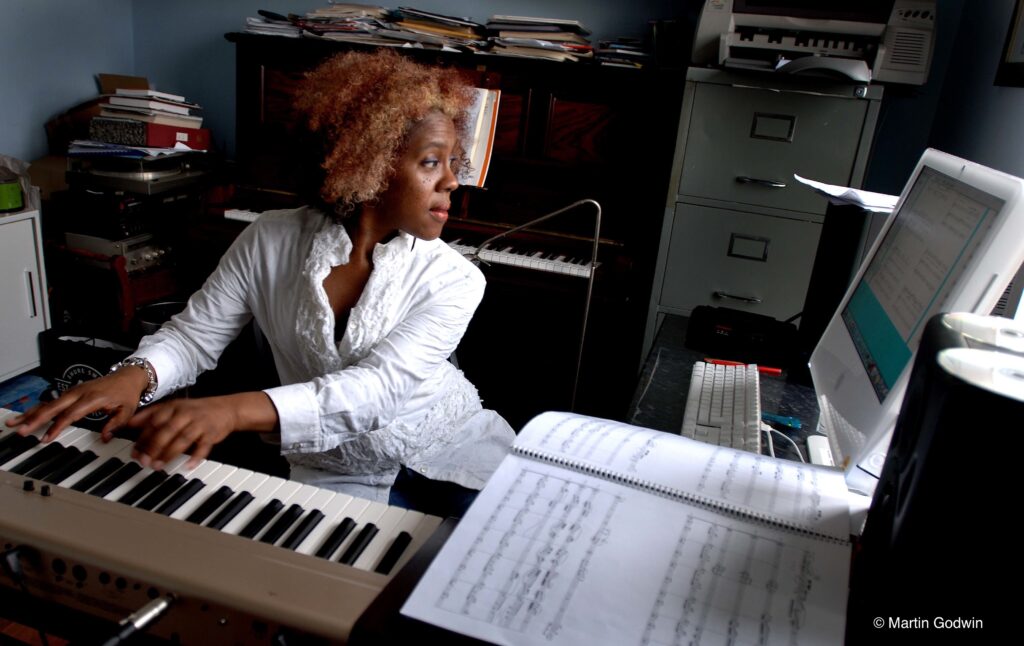
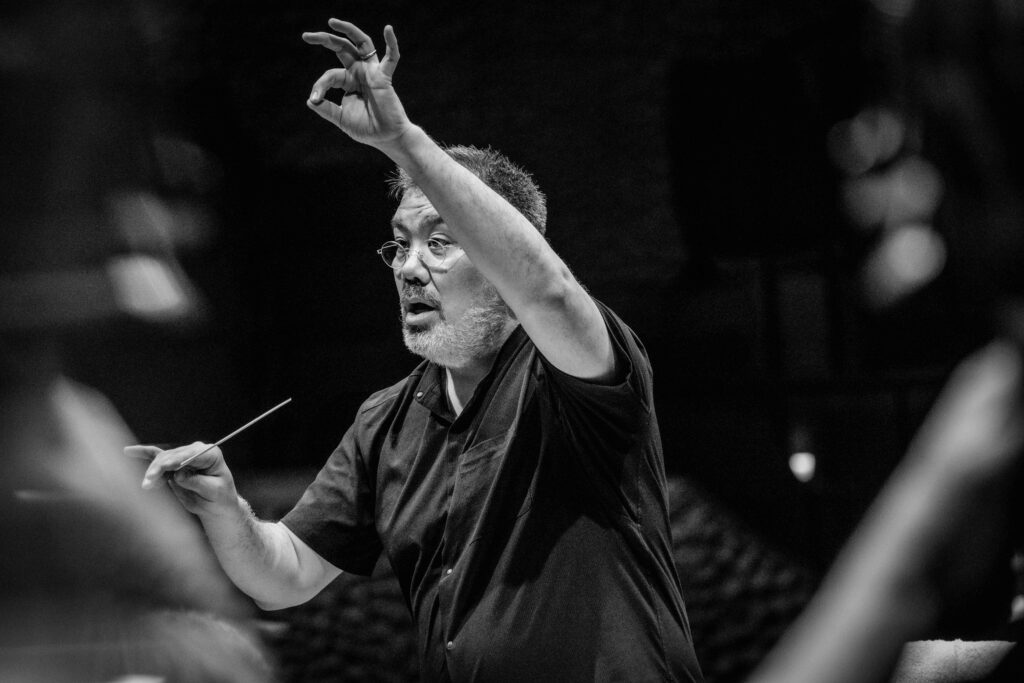
The first impression of Mozart that I really liked was provided by my mentor Alvin Batiste. He composed a 12-bar Blues tune based on the vernacular of Mozart’s melodic approach. He took his love for Mozart and embedded that influence into a foundational Black American idiomatic form. This opened my ears to his music and was the seed planted that eventually got me to love his music, too.
Basically, he took what he loved about Mozart and made it Black.
Inversely, there was always an introspective quality to Monk’s music that isn’t often discussed when folks harp on his eccentricities and angularity. In his solo recordings, there’s a majestic beauty in his pensiveness. But even more than that, it’s built into his compositions. Consider how Ugly Beauty or Monk’s Mood or Light Blue imbue an Eastern philosophical modality. They make you consider life and its meaning.
They both tap into existentialism by awakening the inner child. Monk and Mozart created the best prism of how to communicate melody to children. By cultivating a sound that is accessible and elementary – humble, singable melodies not overwritten – they conjured the essence of childhood in music. There is an innocence you perceive in their sound, even if you don’t understand music that can connect with anybody.
I found this music when I was a kid and some 20 years later, I am still reimagining it to extend the implications I see within. I made Mozart “Black,” in the tradition of Mr. Batiste, imbuing it with influences from jazz, rags, stride, blues, stomps, but still maintained its core essence of modern classical music. On the other hand, I have interpolated Monk, in both a meditative sense and a mode, extending his shorter compositions into longer piano works influenced by “classical” form and structure, all while still maintaining the truth of his work.
In this way I get to facilitate a conversation between two masters separated by two centuries, while aspiring to be a master of that caliber myself.
Jon Batiste’s next solo piano albums Jon Batiste Black Mozart (Batiste Piano Series, Vol. 2, Decca Records US ), Monk Meditations (Batiste Piano Series, Vol. 3, Verve) and Monk Movements (Batiste Piano Series, Vol. 4, Verve) will be released on August 14 and are available for preorder at jonbatiste.com. The Batiste Piano Series is available to stream here.